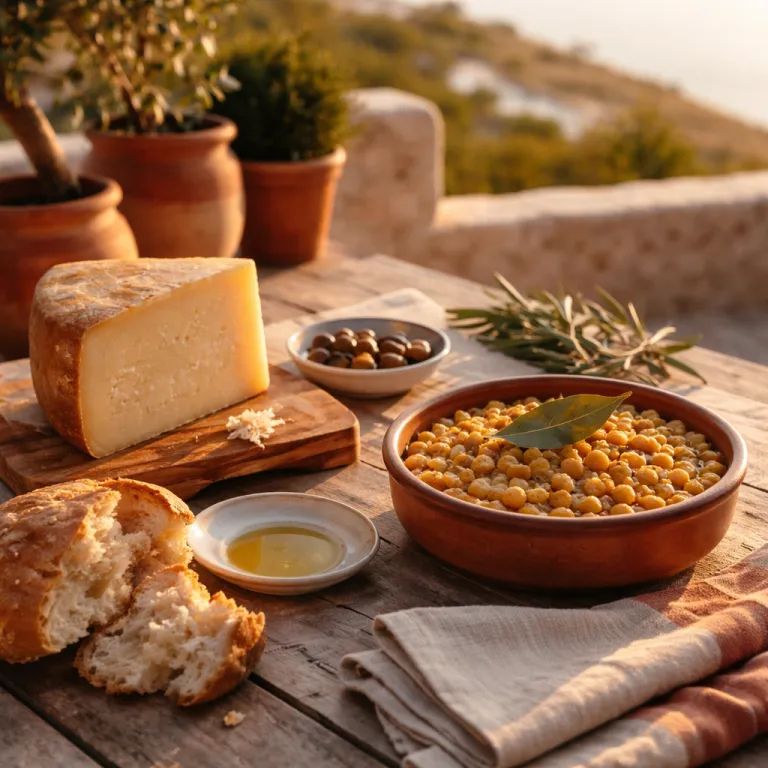
Why the cyclades food guide to local cuisine starts away from the crowds
The most rewarding cyclades food guide to local cuisine does not begin in Mykonos or Santorini. It starts on quieter islands where Cycladic islanders still cook for neighbours first and visitors second, and where local farmers and fishermen shape every plate that reaches your table. On these islands you will find greek dishes built around local products, from cheese and vegetables to fish landed at dawn, and the flavours stay stubbornly rooted in Greece rather than in global trends.
Traditional Cycladic cuisine grew from scarcity and care, using olive oil, herbs and grains to turn simple ingredients into something unique. Moussaka is often named as a traditional Cycladic dish, and “Moussaka: layered eggplant, minced meat, béchamel sauce.” still appears on many menus, yet the real story lies in the way each island treats its own cheeses, pulses and seasonal vegetables. Across the cyclades islands, clay pots and wood fired ovens remain in use, linking modern hotel dining rooms to village kitchens that have barely changed.
Luxury travellers following a cyclades food guide to local cuisine should think in terms of a route, not a single island. A five to seven day itinerary can move from a syros island market to a Naxian farm, then on to Sifnos and Milos, with a final night near paros santorini ferry routes for easy departure. Along the way you will find greek cuisine that respects grape varieties, sheep milk, goat milk and cow milk equally, and you will taste fish grilled metres from the sea rather than styled for social media.
Naxos and Tinos: cheeses, fields and emerging wines
Naxos is where any serious cyclades food guide to local cuisine should linger first. The island is known across Greece for graviera cheese, a firm yellow cheese made from a careful balance of goat sheep and cow milk, and often enriched with sheep goat blends that give depth and sweetness. Visit a small dairy inland and you will find cheeses aging beside sacks of potatoes, another protected local product that anchors many greek dishes on the island.
Here, feta cheese is only the starting point, because every family seems to have its own cheese sheep recipe and at least one experimental yellow cheese flavoured with local herbs. Many farms still work with cheese goat milk from animals that graze above the sea, and the result is a range of cheeses that feel entirely unique to this island. When luxury hotels partner with these producers, their breakfast buffets become quiet masterclasses in greek cuisine rather than anonymous spreads.
Tinos adds a different note to the cyclades food guide to local cuisine, with terraced hillsides of artichokes and an agrarian heritage marked by dovecotes and stone barns. The island’s emerging wine scene focuses on native grape varieties, and a tasting here can introduce you to a grape variety you have never met in mainland Greece. Pair these wines with local products such as capers, tomatoes and soft cheeses, and you will find that even simple tomato salads feel elevated when dressed with peppery local olive oil.
Sifnos and Syros: clay pots, pulses and urban tavernas
Sifnos is the island that quietly rewrites any cyclades food guide to local cuisine. Its reputation rests on revithada, a slow baked chickpea stew cooked overnight in clay pots, and on mastelo, lamb or goat braised with wine and dill until the meat falls from the bone. These dishes rely on olive oil, herbs and patient heat rather than complexity, and they show how local cuisine can feel both humble and luxurious when executed with care.
The island’s ceramic heritage is not a marketing detail but a working tool, because many families still use hand made pots in wood fired ovens each Sunday. Cooking schools on Sifnos invite guests from luxury hotels to join this rhythm, guiding them through markets where they will find yellow split peas, fresh herbs and local cheeses before returning to knead dough or layer tomatoes in earthenware. For solo travellers, these classes offer a direct line to Cycladic islanders who treat recipes as living stories rather than museum pieces.
Syros island brings a more urban note to the cyclades food guide to local cuisine, with Ermoupoli’s neoclassical streets hiding tavernas that serve both workers and visitors. Here you can move from grilled fish and sun dried octopus to plates of caper salad and fava made from yellow split peas in a single meal, all paired with crisp white wine from nearby islands. The mix of local products, from cow milk cheeses to sweets scented with grape must, makes Syros a useful first or last stop on a multi island route.
Milos and Kea: seafood traditions and resort level tavernas
Milos is where the cyclades food guide to local cuisine meets the sea most directly. The island’s boat to table culture means fishermen still supply tavernas within hours, and grilled fish, sun dried fillets and fresh shellfish dominate many menus. When you sit at a table above a small harbour you will find greek dishes that change with the catch, from simple tomato and fish stews to plates of just cooked calamari dressed only with olive oil and lemon.
Luxury hotels on Milos increasingly build their dining concepts around these seafood traditions, inviting fishermen to dock below their terraces and shaping menus after the morning’s haul. This approach respects the role of local farmers and fishermen as partners, not suppliers, and it keeps the focus on local cuisine rather than imported trends. For travellers, it means that a tasting menu can still feel rooted in Greece, with herbs, cheeses and grape varieties from nearby islands supporting the fish rather than competing with it.
On Kea, One&Only Kea Island has created a tavern model that many luxury properties in the cyclades now study closely. Greek products are served in a Cycladic setting that feels both polished and relaxed, blending hotel service with the atmosphere of a village square where children still play between tables. This is where a cyclades food guide to local cuisine intersects with high end hospitality, proving that guests can enjoy wine from local grape varieties, cheese goat platters and slow cooked meat from sheep goat herds without losing the sense of place that makes the islands special.
Paros, Santorini and Mykonos: when fine dining meets local products
Paros sits at the centre of many ferry routes, and it deserves a central place in any cyclades food guide to local cuisine. On this island, Pino at Vione Paros brings Michelin starred technique to Cycladic ingredients, with chef Luca Piscazzi using local products in a Roman inspired framework that still tastes firmly of the Aegean. A plate might pair yellow split pea purée with grilled fish and a drizzle of sharp olive oil, or match cow milk cheeses with tomatoes and herbs grown a few kilometres away.
The link between paros santorini routes makes it easy to continue your culinary journey to the caldera, where luxury hotels often showcase wine from volcanic soils. Santorini’s grape varieties, especially Assyrtiko, shape a wine culture that many travellers already know, yet a thoughtful cyclades food guide to local cuisine will steer you towards tavernas that still cook for locals. Look for places where you will find stewed tomato dishes, grilled cheese sheep slices and simple fish cooked over charcoal rather than elaborate tasting menus alone.
Mykonos, by contrast, is better approached as a brief stop rather than the core of your route, even though it contributes kopanisti, a spicy, creamy cheese, to greek cuisine. The island’s nightlife focus means many restaurants lean towards international flavours, but a few tavernas still serve local cuisine built around goat sheep meats, feta cheese and seasonal vegetables. Use your time here to taste cheeses and wines from other cyclades islands, then turn your attention back to quieter shores where the balance between luxury hotels and village kitchens remains intact, and where you can read more about culinary artistry in luxury properties through dedicated guides to Cycladic hotel dining experiences.
Designing a 5–7 day gastronomic itinerary with luxury stays
A focused cyclades food guide to local cuisine can fit comfortably into a week if you choose your islands carefully. Start on Syros island or Naxos, where ferries arrive frequently and luxury hotels sit within easy reach of markets and farms. Spend two nights exploring local products, from cheeses made with goat milk and sheep milk to wines from lesser known grape varieties, and join at least one cooking class that uses clay pots or wood fired ovens.
From there, move to Sifnos or Milos for another two or three nights, depending on how deeply you want to explore seafood or pulse based dishes. On Sifnos you will find revithada, mastelo and other greek dishes that show how olive oil, herbs and yellow split peas can sustain a community, while Milos offers fish focused meals that change with the weather and the work of fishermen. Luxury hotels on both islands increasingly embrace farm to table dining and sustainable seafood practices, aligning comfort with respect for local cuisine and the wider marine environment.
Finish your route with one or two nights on Paros, using the paros santorini connection if you need an easy onward journey. Here you can balance high end dining at places like Pino at Vione Paros with simple tavernas that serve tomato salads, feta cheese, cheese goat platters and grilled meats from sheep goat herds. For readers planning where to stay, a dedicated guide to design led luxury hotels in the cyclades can help match your preferred culinary focus with properties that treat food as seriously as architecture, ensuring that every plate, from yellow cheese to grilled fish, reflects the islands rather than obscuring them.
FAQ
What is a traditional Cycladic dish I should try first ?
Many travellers begin with moussaka, and the dataset reminds us that “What is a traditional Cycladic dish? Moussaka: layered eggplant, minced meat, béchamel sauce.”. On islands like Naxos and Syros you will find versions that use local olive oil and herbs, often served alongside salads built around tomato and feta cheese. It is a useful benchmark for understanding how greek cuisine shifts subtly from island to island.
Which cheese from the cyclades islands is most distinctive ?
Kopanisti from Mykonos is often cited as the most distinctive, and the dataset notes that “Which cheese is popular in the Cyclades? Kopanisti: spicy, creamy cheese from Mykonos.”. Beyond this, Naxos graviera, various yellow cheese styles and soft cheeses made from goat milk or sheep milk all deserve attention. Tasting several cheeses side by side in a local taverna or hotel bar will help you understand how cow milk, cheese sheep blends and cheese goat milk create different textures.
What kind of seafood should I expect in Cycladic cuisine ?
The islands rely heavily on fresh fish, octopus and shellfish supplied by local fishermen. As the dataset states, “What seafood is common in Cycladic cuisine? Grilled octopus, sun-dried fish, fresh shellfish.”, and you will see these prepared simply with olive oil, lemon and herbs. Milos is particularly strong for boat to table experiences, while many tavernas on other islands grill the catch of the day over charcoal.
How can I combine luxury hotels with authentic local cuisine ?
Look for properties that partner openly with local farmers and fishermen, and that highlight local products such as cheeses, grape varieties and seasonal vegetables on their menus. On islands like Sifnos, Naxos and Tinos, many high end hotels arrange market visits, cooking classes and wine tastings that keep you close to village life. Reading specialist guides to luxury and premium hotel booking in the cyclades will help you identify stays where the restaurant is as thoughtfully curated as the suites.
Is it possible to explore several islands in one food focused trip ?
A five to seven day itinerary can comfortably include three or four islands if you plan ferry connections carefully. Combining Naxos or Syros with Sifnos and either Milos or Paros creates a balanced route that covers cheeses, pulses, seafood and wine. This structure lets you enjoy both high end hotel dining and simple tavernas, while keeping travel times short enough to leave space for long lunches and unhurried dinners.