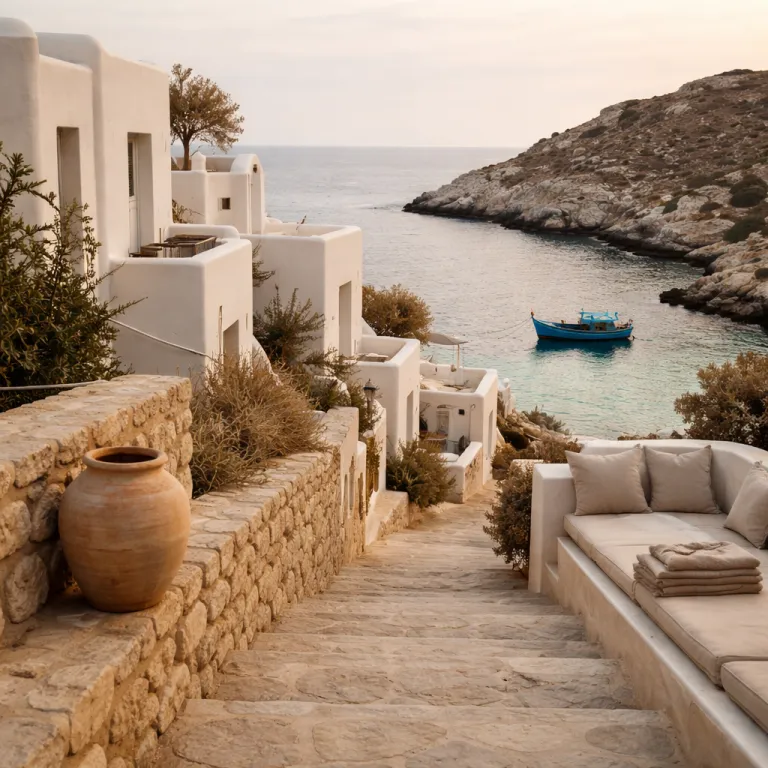
Ios island culture travel as a new kind of Cycladic luxury
Ios in Greece is no longer a footnote between Santorini and Mykonos. The island now ranks among the Cycladic destinations where culture, design-forward stays and curated experiences quietly reshape tourism. For luxury visitors, cultural travel to Ios is less about nightclub schedules and more about how a Greek island rewrites its own life story as a refined visit destination.
The Municipality of Ios and the Tourism Development Municipal Enterprise have treated culture as infrastructure, not entertainment. Their festival calendar from May to September layers live performances, workshops and exhibitions across villages, beaches and hilltop chapels, and this public investment has shifted the tourism narrative from party stopover to cultural destination. According to figures shared by the local tourism office and recent municipal announcements, annual tourist arrivals reach around 150,000 people and more than 50 cultural events animate the island each season, so you feel a tourism boom that is curated rather than chaotic.
For a solo explorer planning premium travel in Greece, this matters. You are not just choosing between islands in the Cyclades; you are choosing between ways of living a week of your life. On Ios, cultural travel in 2026 means staying in a property that understands that visitors want both quiet Cycladic mornings and late-night concerts under stone arches, with easy access to beautiful villages, outdoor activities and the island’s evolving cultural scene.
Luxury hotels now align themselves with this cultural shift. Several former party hostels have become low-key design properties with suites that frame the port, the Chora and the surrounding islands. At places such as Liostasi Hotel or Calilo, teams work with local cultural organizations to host intimate events in private courtyards, so guests can share wine with artists before walking to public performances in the nearby villages, often for ticket prices that stay close to local standards.
The result is a new kind of quality life for both residents and long-stay visitors. High-end travelers bring spending power that supports galleries, small venues and traditional workshops, while the island protects its scale and character. As one municipal official notes, “Our goal is to welcome more visitors without losing the Ios that locals love,” and in this context cultural travel is not a marketing slogan but a test of whether Greek tourism can grow without erasing what made each island singular.
From tomb of Homer to panagia Gremiotissa: designing cultural excursions from your hotel
Ios has always had a story to tell; it simply lacked the stage lighting. The alleged tomb of Homer on the northern ridge and the church of Panagia Gremiotissa above the main town give the island a cultural spine that luxury hotels now weave into tailored excursions. For travelers focused on cultural experiences in the Cyclades, these sites anchor itineraries that balance history, landscape and contemporary Greek life.
High-end properties now treat the tomb of Homer as more than a photo stop. Concierges arrange early morning drives followed by guided walks along the ridge, where visitors can understand how this island once sat on maritime routes that shaped Greek culture and literature, and these curated experiences turn a simple visit into a reflective outdoor activity. Returning to the hotel, guests often share impressions over breakfast, and the conversation naturally extends to other destinations in the Cyclades that are undergoing similar cultural renaissances.
Panagia Gremiotissa offers a different dimension of cultural travel on Ios. The climb from the port or from the Chora’s stone lanes takes around twenty minutes, and the reward is a chapel terrace where the islands of Sikinos and Santorini float on the horizon. Many luxury hotels time private transfers so that visitors arrive just before sunset, combining this with other cultural activities such as a short walk through the old villages and a tasting of local wines in a restored house.
For solo travelers, these curated routes matter more than any pool. They turn the island into a coherent visit destination where each day has a narrative arc, from the tomb of Homer at dawn to music performances in the square at night. If you want more ideas for Cycladic experiences that go beyond the beach, the editorial guide on five Cycladic experiences to try before beach season takes over offers a useful benchmark for what thoughtful cultural programming can look like.
Luxury hotels that understand the new cultural focus now build their reputations on these details. They know that visitors will remember the quiet walk back from Panagia Gremiotissa through the whitewashed villages more than any room amenity. When an island can offer both the tomb of Homer and a late-night jazz trio in a courtyard, it begins to rank alongside more established cultural destinations in Greece.
How luxury hotels curate life between beautiful villages, beaches and outdoor activities
The real test for cultural travel on Ios is not a single festival or monument. It is how your days flow between the beautiful villages, the beaches and the outdoor activities that shape the island’s daily life. Premium hotels now act as cultural editors, selecting which experiences to highlight and which to leave to serendipity for visitors who want a more spontaneous trip.
In practice, this means concierges who know which villages feel alive on a Tuesday afternoon and which lanes stay quiet for those who need solitude. They design half-day itineraries that combine a morning swim with light sports such as coastal hikes or sea kayaking, followed by lunch in a taverna where the owner can share stories about how tourism has changed the island. These curated routes respect the rhythm of Greek life while still giving visitors enough structure to feel that each day has purpose.
Outdoor activities now sit at the heart of the island’s new tourism narrative. Hotels arrange guided walks between chapels, photography tours through the Chora’s stairways and private boat trips that circle the coastline, and these experiences help visitors understand how the islands of the Cyclades relate to one another as a living archipelago. For many guests, this is where the new tourism model becomes tangible, because the landscape itself explains why people settled these ridges and coves.
Quality life on Ios is also about how easily you can move between spaces. Improved infrastructure, from better roads to discreetly upgraded ports, has made it simpler to visit remote coves without overwhelming them, and this balance is crucial if the tourism boom is to remain sustainable. When a hotel can arrange a morning at a quiet beach, an afternoon in the beautiful villages and an evening concert in the main square, it proves that luxury and authenticity can share the same itinerary.
For travelers who follow French travel media and European news about sustainable destinations, Ios now appears as a case study. It shows how public investment in culture and infrastructure can elevate an island without turning it into a caricature of Greek tourism. The challenge for hotels is to keep curating experiences that feel intimate even as visitor numbers grow.
Will the new tourism boom protect or dilute Ios’s character ?
Every Cycladic island that rises in the rankings faces the same question. When cultural travel to Ios becomes a headline in tourism news, does the island gain protection or lose its edge? Ios now stands where Milos stood a few seasons ago, on the cusp between insider secret and mainstream destination.
The Municipality of Ios and the Tourism Development Municipal Enterprise have chosen to anchor growth in culture rather than in volume. Their programme of live performances, workshops and exhibitions from May to September aims to enhance cultural awareness, boost tourism and foster community pride, and this strategy gives hotels a clear framework for their own programming. As one official FAQ summarises in its responses about the island’s cultural calendar, annual festivals featuring music, art and dance take place between May and September during festival season, with various options available across the island.
Luxury properties that align with this approach treat guests as temporary citizens rather than transient consumers. They invite visitors to share space with residents at concerts, to support local artisans through curated shopping walks and to participate in cultural activities that highlight both ancient and contemporary Greek creativity. This is where Ios differs from more transactional tourism destinations that rely solely on beach clubs and nightlife.
There is, of course, tension. As more high-end hotels open, the risk grows that the island’s raw spontaneity will be replaced by polished sameness, and solo travelers who came for unfiltered life may feel pushed to the margins. Thoughtful properties counter this by keeping some experiences unprogrammed, pointing guests toward local festivals organized by the community rather than by the hotel itself.
For readers of stay-in-cyclades.com, the practical question is where to stay within this evolving landscape. Look for hotels that talk about the tomb of Homer and Panagia Gremiotissa in the same breath as they discuss their sustainability policies, and use editorial reviews that explore refined luxury and cultural immersion as a benchmark for service standards. If Ios continues on its current path, the island could become the Cycladic destination that proves tourism boom and cultural integrity can coexist.
Key figures shaping Ios’s cultural tourism shift
- Approximately 150,000 tourist arrivals per year are recorded on Ios, according to the local tourism board and recent municipal tourism reports, a scale that allows meaningful growth in cultural tourism without overwhelming the island’s infrastructure.
- More than 50 cultural events take place across the island between May and September, organized by the Municipality of Ios and partners, creating a dense calendar that supports cultural travel throughout the season.
- The main cultural programme spans five months, from opening ceremonies in May to closing events in September, which gives luxury hotels a long window to design tailored cultural excursions for visitors.
- Rising interest in cultural tourism and sustainable travel has been identified by local authorities as a key trend, aligning Ios with broader shifts in Greek tourism toward heritage, community engagement and environmental responsibility.