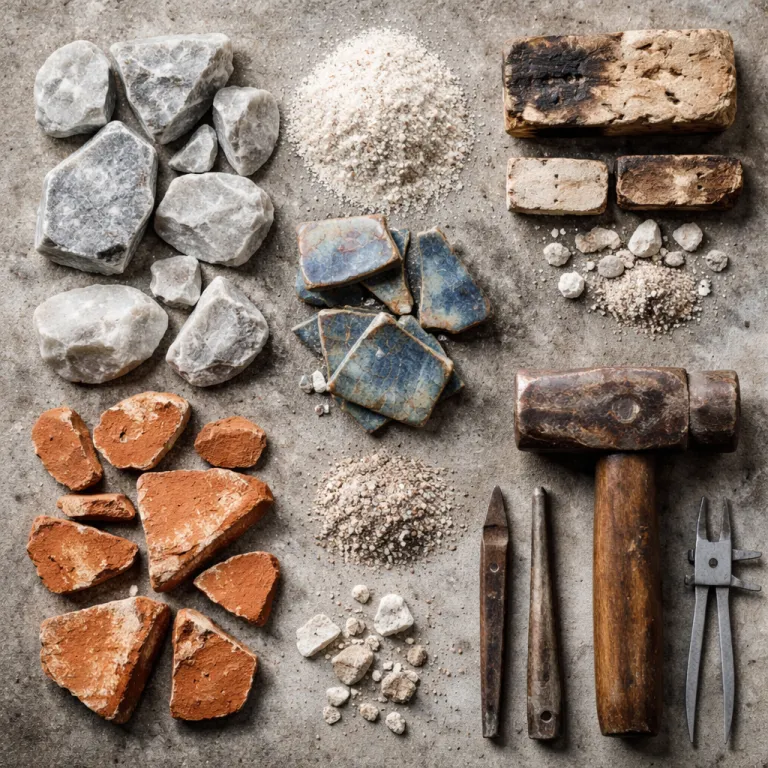
Naxos marble quarries and the rise of a Cycladic craft trail
The phrase “cyclades craft trail Naxos Sifnos pottery” sounds abstract until you stand on a Naxian hillside and hear marble tools ring against stone. From that moment, the Cyclades craft trail between Naxos marble quarries and Sifnos pottery villages becomes a tangible itinerary that can shape where you book your luxury hotel and how you plan each day. This is where a premium stay stops being just about a pool and a view, and starts to frame a deeper encounter with the islands’ material culture.
Naxos has supplied high quality marble to the Mediterranean for a very long time, and the active Naxos marble quarries still export around 5 000 cubic metres each year according to industry data. The large crystalled white Naxian marble that once carved temples now appears in contemporary sculptures, hotel lobbies and even minimalist spa corridors across the island. When you choose a luxury property here, ask how they work with local artisans and whether any pieces in the suites or public spaces come directly from these quarries or nearby workshops.
Many premium hotels on the island now curate private visits with quarry partners and marble studios, turning the cyclades craft trail Naxos Sifnos pottery theme into a family friendly cultural day. Parents can walk older children through safe viewing points near the Naxos marble quarries, then continue to a sculptor’s studio where the potter wheel’s rhythmic spin is replaced by the rasp of chisels. This is not a theme park version of heritage ; it is a working landscape where “What is Naxian marble known for? Its large-crystaled white appearance and historical significance.”
For travellers comparing islands, Naxos is better for understanding stone and scale, while Sifnos excels at showing how clay and fire still shape daily life. The cyclades craft trail Naxos Sifnos pottery route links these two experiences into one coherent journey that fits neatly between check in and check out. When you plan your hotel bookings, think of Naxos as the marble chapter and Sifnos as the ceramics chapter of the same story.
Sifnos pottery villages: where clay and cuisine meet
Sifnos is the island where pottery is not a souvenir but a living infrastructure for daily cooking. The sifnian ceramic tradition runs so deep that many families still rely on clay pots for weekend meals, and the coastline is dotted with discreet workshops that have shaped the island’s identity. When you book a luxury stay here, you are not just choosing beaches and views ; you are entering one of the most important pottery landscapes in the Aegean.
Across Sifnos you will find around 15 active pottery workshops according to European cultural data, many of them family run spaces that welcome visitors by appointment. These workshops in Sifnos are concentrated around the port of Kamares, the quiet bay of Vathi and the long curve of Platis Gialos, each village offering a slightly different take on sifnian pottery. Some focus on robust clay pot designs for traditional cooking, while others experiment with lighter ceramics that suit contemporary island culinary plating in high end hotels.
In Kamares, the port of Kamares itself forms your first contact with sifnian ceramics as you step off the ferry and pass shelves of glazed bowls and amphorae. A short walk from the port of Kamares brings you to workshops local to the harbour, where you can watch a potter wheel spin wet clay into the wide mouthed vessels used for chickpea stew. Many of these clay pots are baked overnight in wood fired ovens, a method that gives the chickpea stew its depth and makes it a cornerstone of local cuisine that is often served Sunday in village tavernas.
Families staying in premium hotels near Platis Gialos can arrange a half day pottery workshop that fits neatly between a morning swim and an afternoon rest. During these pottery workshops, children learn how years of pottery practice have refined each gesture, while adults gain a new respect for the weight and balance of each ceramic bowl. The cyclades craft trail Naxos Sifnos pottery theme becomes very real when you hold a still warm clay pot that might later carry your dinner.
From Vathi to Artemonas: mapping the sifnian ceramics landscape
Once you settle into your chosen hotel on Sifnos, the next step is to map the island’s pottery villages into your stay. The bay of Vathi is a quiet starting point, a sheltered curve where workshops local to the waterfront still fire clay in traditional kilns beside the sea. Here the rhythm of the day is slow, and you have time to watch sifnian pottery emerge from the wood fired chambers in small batches.
Further inland, Artemonas offers a different angle on the ceramic tradition, with narrow lanes where ceramics and cooking intersect in everyday life. In this village you can visit workshops in Sifnos that specialise in smaller ceramic pieces designed for island culinary service, from olive bowls to shallow dishes for baked overnight casseroles. Many luxury hotels source tableware from these Artemonas studios, so the plate beneath your grilled fish may well have been thrown on a potter wheel just a few kilometres away.
Between Vathi, Artemonas and Kamares, you will find that each pottery workshop has its own interpretation of sifnian ceramics, shaped by family history and the demands of local cuisine. Some focus on heavy clay pots that can withstand long hours in wood fired ovens, ideal for chickpea stew that is served Sunday in village squares. Others create lighter ceramics that appeal to visitors in sep oct, when the island is quieter and travellers have more time to browse shelves and ask questions about years of pottery practice.
For families, this network of workshops local to each village turns the cyclades craft trail Naxos Sifnos pottery route into a series of manageable excursions. You might spend one day at the beach near Vathi, then walk a few minutes inland to a pottery workshop where children can try shaping a small clay pot. Another day, you could pair a stroll through Artemonas with a tasting of traditional cooking in a taverna that still uses sifnian pottery in its ovens.
How luxury hotels curate the Cycladic craft experience
The most interesting luxury and premium hotels in the Cyclades now act as curators of local craft, not just as places to sleep. On Naxos, some properties work directly with Naxos marble quarries to commission sculptural pieces for lobbies, spa corridors and private terraces. This connection to the cyclades craft trail Naxos Sifnos pottery narrative gives guests a tangible link between the stone beneath their feet and the art on the walls.
On Sifnos, hotels such as Stamna Sifnos have embraced the island’s ceramic tradition as a design language, using earth toned materials and custom made ceramics throughout their spaces. Breakfast might be served in hand glazed bowls from workshops in Sifnos, while bedside lamps rest on ceramic bases thrown in a nearby pottery workshop. When a property invests in sifnian ceramics at this level, it signals a commitment to authentic local partnerships rather than generic décor.
Families can ask concierges to arrange private visits to workshops local to their hotel, often outside standard opening hours for a quieter experience. Many properties now coordinate with pottery workshops in Vathi, Kamares and Platis Gialos, offering transfers and translation support so that guests can focus on the clay and the stories. Some hotels even integrate traditional cooking demonstrations, where a chickpea stew is baked overnight in a clay pot and then served Sunday at a long table for guests.
If you are planning a multi island trip, consider pairing this craft focused stay with a culinary themed itinerary using resources such as the guide to the culinary artistry of luxury hotels in the Cyclades on stay in cyclades dot com. Together, these approaches turn the cyclades craft trail Naxos Sifnos pottery route into a coherent framework for choosing where to sleep, where to eat and which artisans to visit. The result is a holiday where marble, ceramics and local cuisine are as memorable as any sunset.
Planning your family friendly Cycladic craft itinerary
Designing a family itinerary around Naxos marble and Sifnos pottery is easier than it sounds. Start with at least three nights on Naxos to explore the marble heritage, then add four nights on Sifnos to immerse yourselves in clay, ceramics and traditional cooking. This balance gives you enough time for beaches and pool days while still honouring the cyclades craft trail Naxos Sifnos pottery theme.
On Naxos, choose a hotel that can arrange guided visits to safe viewpoints near the Naxos marble quarries and to contemporary studios working with the stone. Many guides now frame these outings as cultural heritage trails, explaining how ancient craft methods have adapted to modern tools without losing their core techniques. Children often respond well to the scale of the unfinished statues and the tactile experience of touching marble dust on a workbench.
Once on Sifnos, structure your days around short hops between beaches and workshops in Sifnos, keeping transfers under 30 minutes whenever possible. A morning swim at Platis Gialos can be followed by a visit to a nearby pottery workshop, where the potter wheel becomes a hands on lesson in physics and patience. Another day, you might pair the calm waters of Vathi with an afternoon in a workshop local to the bay, watching clay pots emerge from wood fired kilns.
For travel in sep oct, when the light softens and the crowds thin, you gain more flexibility to linger in Kamares, Artemonas and other villages without rushing back to the hotel. This shoulder season is ideal for deeper conversations with artisans about years of pottery practice, the pressures of tourism and the future of sifnian ceramics. It is also a comfortable time for younger children, with milder temperatures and quieter beaches.
Why supporting Cycladic artisans matters for luxury travel
Behind every polished marble lobby and perfectly plated dish in the Cyclades lies a network of artisans whose work rarely appears in glossy brochures. The cyclades craft trail Naxos Sifnos pottery route makes these people visible, connecting your hotel choices to the survival of traditional crafts. When you choose properties that invest in local materials and workshops, you help sustain skills that tourism economics often push to the margins.
On Sifnos, the link between pottery, local cuisine and community life is especially clear. The chickpea stew that is baked overnight in a clay pot and served Sunday in village squares depends on both sifnian pottery and access to wood fired ovens. If workshops in Sifnos close or shift entirely to lightweight souvenir ceramics, the island culinary traditions that rely on robust clay pots will inevitably weaken.
Artisans and cultural organisations across the Cyclades are responding by integrating ancient crafts into modern tourism through guided tours, workshops and exhibitions. Their goals are clear ; preserve traditional crafts, educate visitors and support local economies in a way that respects time honoured methods. As one heritage initiative puts it plainly, “How old is the pottery tradition in Sifnos? Over 4,000 years, dating back to the Middle Cycladic period.” and “Can visitors participate in pottery workshops in Sifnos? Yes, many workshops offer hands-on experiences for tourists.”
For luxury travellers, this context turns a simple purchase into a considered act. Choosing a hand thrown ceramic bowl from a workshop local to Vathi or Kamares, or booking a hotel that sources marble and ceramics from nearby artisans, becomes part of a wider commitment to authentic travel. The reward is not only ethical satisfaction but a richer, more textured memory of the islands, where the weight of a clay pot or the coolness of marble underfoot anchors your stay in something real.
Key figures on Cycladic marble and pottery heritage
- Naxos currently exports around 5 000 cubic metres of marble each year, a volume that underlines how the island remains a major supplier of large crystalled white stone to global markets (source ; industry data referenced by Wikipedia).
- Sifnos maintains approximately 15 active pottery workshops, a significant number for a small island and a sign of how deeply ceramics remain embedded in local life (source ; Europeana cultural records).
- The pottery tradition on Sifnos stretches back over 4 000 years to the Middle Cycladic period, making it one of the longest continuously practiced ceramic traditions in the Aegean (source ; regional archaeological surveys).
- Heritage programmes across the Cyclades now run cultural heritage trails year round, integrating guided tours, workshops and exhibitions to connect visitors with artisans and support local economies (source ; local cultural organisations).
FAQ about Naxos marble and Sifnos pottery for travellers
Can families safely visit the Naxos marble quarries ?
Families can visit designated viewpoints near the Naxos marble quarries with licensed guides, who know which areas are safe and accessible. Active extraction zones are restricted, but there are several vantage points where you can see the scale of the operations without entering working areas. Many tours combine these stops with visits to sculptors’ studios for a more complete experience.
How old is the pottery tradition on Sifnos ?
The pottery tradition on Sifnos is over 4 000 years old, with roots in the Middle Cycladic period. Archaeological finds and historical records show continuous production of functional ceramics for storage, transport and cooking. This long history explains why pottery remains central to local identity today.
Can visitors take part in pottery workshops on Sifnos ?
Yes, many workshops in Sifnos offer hands on sessions for visitors, often by reservation. Short introductions are suitable for children, while longer classes allow adults to work on the potter wheel and learn about firing techniques. Hotels can usually help arrange these experiences with trusted artisans.
Which Sifnos villages are best for seeing active pottery workshops ?
Kamares, Vathi, Platis Gialos and Artemonas are the main villages where you will find active pottery workshops. Each area has its own character, from the busy port of Kamares to the quiet bay of Vathi. Planning short visits to two or three villages gives a good overview of sifnian ceramics.
What should I buy as a meaningful ceramic souvenir from Sifnos ?
The most meaningful souvenirs are functional pieces that reflect local cuisine, such as clay pots for slow cooking or serving dishes used for chickpea stew. Ask artisans which forms are traditionally baked overnight in wood fired ovens and which are better suited to modern kitchens. Choosing items you will use at home keeps the memory of the island alive in your daily life.
References
- Europeana – records on Sifnos ceramic workshops and Cycladic craft heritage.
- Wikipedia – overview of Naxos marble, quarrying history and export volumes.
- Greek Ministry of Culture – documentation on Cycladic archaeological sites and traditional crafts.