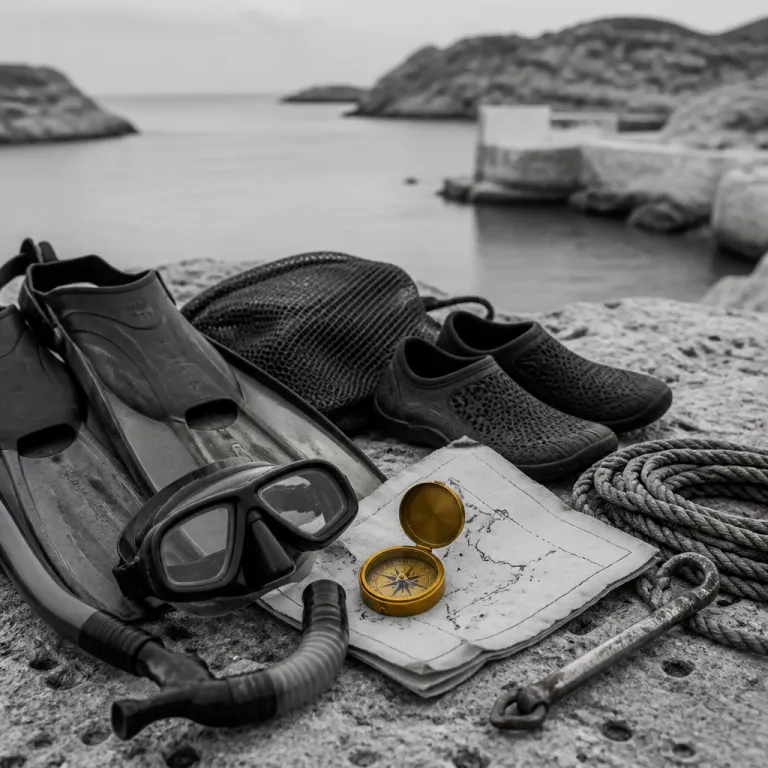
From beach guide to swimming guide: how luxury travelers really use the Cyclades coast
On a crowded Cycladic island in high season, the quietest bays and most swimmable coves are rarely the ones with the straightest rows of umbrellas. A traditional beach guide ranks the best beaches by length of sand, number of beach bars and how quickly you can secure a lounger, while a true swimming guide for luxury travelers starts with one question: where can you slip into clear waters without an audience. When every organized stretch of sand is taken by midday, the real premium experience is finding those hidden shelves of rock, tiny inlets and low key strands of golden sand where your family can actually hear the sea.
Think of the coastline as a series of “swimming rooms” rather than a checklist of famous beaches Cyclades visitors tick off. A classic best beach list might send you to the same headline spots in Santorini, Paros or Milos, but a swimming focused travel guide looks for wind shelter, crystal clear visibility and easy access to the water for guests of all ages. For families and multi generational groups, that shift in mindset turns a stressful day of queues into a calm ritual: a short walk, a rock ledge, a ladder into deep blue waters and no fight for space.
Luxury in the Cyclades is no longer just about a high thread count suite on a famous island. It is about knowing which hidden beaches stay quiet when the Meltemi wind rises, which coves you reach by a five minute boat hop rather than a long drive from Athens, and which low key beach clubs still feel family friendly at sunset. Our role at stay in cyclades dot com is to act as your insider guide, translating local residents’ knowledge into precise recommendations so that families, couples and solo guests can explore Cycladic shores with confidence.
Reading the Cycladic coastline: wind, orientation and where the water stays calm
To understand where the most peaceful swimming coves hide, you first need to read the wind. In summer, the Meltemi blows hard from the north across many postcard beaches Cyclades travelers see in brochures, which means that the best shores for actual swimming often sit on the southern or leeward coasts of each island. When you look at a map, imagine the wind hitting the north shore and then trace your finger to the opposite side where the waters turn glassy and the sand settles.
On Naxos, that often means the long arc from Agios Prokopios through Agia Anna to Mikri Vigla, where clear waters and golden sand alternate with rocky shelves that create natural swimming pools. Agios Prokopios can feel busy near the beach bars, yet a five minute walk toward the headland reveals small coves that many families miss, while Agia Anna offers easy access for younger children and older guests who prefer a short stroll from Naxos Town. Mikri Vigla faces the wind more directly, so on gusty days the stretches best suited to calm swimming sit further south, where the natural curves of the coastline create small, protected inlets.
On Mykonos, the same rule applies: when the north is white capped, the south stays swimmable, and that is where a refined coastal villa can quietly outperform a famous party shore. If you are considering a stay near the quieter southern bays, our detailed review of elegant villa stays in Mykonos Town for a refined Cycladic escape explains how to pair a town base with day trips to hidden beaches by car or boat. For premium travelers, this wind literacy is as essential as choosing the right luxury property: it dictates where your family will actually swim, not just where you will take photos.
Milos, Koufonisia and Antiparos: volcanic coves and rock shelves beyond the crowds
When every obvious beach is taken, the most rewarding quiet swimming spots often sit on smaller islands where the coastline does the work for you. Milos is the masterclass: a horseshoe shaped island whose volcanic history carved hidden beaches, white cliffs and lunar coves that feel purpose built for swimmers rather than sunbed rows. Here, the best bays for a premium swimming day are often the ones with no road access at all, reached instead by a small boat that drops you directly into crystal clear waters.
On Milos, families should look beyond the famous postcards and ask local residents for a guide to coves that suit children and less confident swimmers. Boat captains know which hidden beaches stay sheltered when the wind rises, and they will often suggest a sequence of stops where golden sand alternates with flat rocks perfect for diving, allowing families and multi generational groups to rotate between shade, swimming and simple picnics. One captain we spoke to described a typical loop from Adamas that links a shallow sandy cove, a cave like inlet and a flat rock ledge, giving everyone on board a different way to enter the water in a single morning.
Further east, the tiny Koufonisia islands offer rock shelves that slide into turquoise waters, while Antiparos hides some of the shores best suited to low key, family friendly days in the entire Cyclades. If you are planning a stay there, our in depth feature on Antiparos hotels from converted farmhouses to clifftop retreats explains how to pair a quiet luxury base with daily swims off flat rocks and tiny coves. In all three islands, the premium choice is clear: trade a long list of famous beaches for a short list of coves you reach by boat, with only a handful of other guests in sight.
Naxos and Paros for premium families: where sand, access and silence meet
For families who want both comfort and calm, Naxos and Paros deliver some of the most reliable quiet swimming coves within easy reach of serious luxury hotels. Naxos Town offers a practical base with ferries from Athens that often take around four to five hours, yet within a short drive or bus ride you reach a chain of beaches where clear waters, golden sand and low key tavernas create a relaxed, family friendly rhythm. The key is to time your day: early morning and late afternoon are when the coastline feels almost private, even in peak season.
On Naxos, Agios Prokopios and Agia Anna are the obvious names, but their quieter ends are where premium families actually settle. Walk away from the densest beach bars and you will find hidden corners where the sand slopes gently into crystal clear shallows, ideal for small children and older guests who prefer easy access to the water, while a short hop further south reveals smaller coves framed by dunes. Mikri Vigla, known for wind sports, also hides a more protected side where families can swim in calmer waters while watching the action from a comfortable distance.
Paros, meanwhile, balances polished luxury with a softer, more understated beach culture that suits multi generational families. Golden Beach and its neighboring coves offer some of the best stretches for long, safe swims, while smaller bays near the new Parian luxury openings provide quiet alternatives when the main strands feel full, and our feature on Hyatt’s first Cycladic property on Paros details how a premium stay can anchor these daily excursions. On both islands, the smartest families treat the coastline as a menu: a main beach for convenience, a hidden cove for silence and a final swim off the rocks as the light softens.
How to reach quiet coves: boats, paths and planning from your hotel
Finding the most peaceful swimming coves is less about luck and more about logistics. When popular beaches are overcrowded, the most effective strategy is to use your luxury hotel as a planning hub, asking the concierge to coordinate local boat rentals, transfers and simple walking routes to hidden beaches that match your family’s abilities. Many premium properties now work closely with local residents and small boat services, turning their knowledge into tailored swimming itineraries.
For coves without road access, a small boat is often the most comfortable option, especially for families and older guests who prefer to avoid steep paths in the heat. Local boat rental services know which shores best suit different conditions and can adjust routes on the day, steering you toward clear waters and natural beauty when the Meltemi shifts, and local tourism offices consistently recommend consulting residents or hiring a boat to access remote areas. If you prefer to stay on land, ask your hotel for a simple travel guide style map that marks goat paths, shaded sections and approximate walking times to each hidden beach.
From Athens, it is easy to underestimate how much planning these quiet swims require once you reach a Cycladic island. Start early to avoid crowds, bring essentials like water and snacks, and remember that some hidden beaches have no beach bars, lifeguards or beach clubs at all, which is precisely why they stay quiet. For premium families, that absence of infrastructure is not a drawback but a luxury: a chance to let children play in crystal clear shallows while adults swim long, uninterrupted laps along the rocks.
Peak season etiquette: Greek beach culture and why quiet coves suit families
On the most secluded Cycladic coves, etiquette matters as much as location. Greek beach culture in peak season runs on unwritten rules: keep music low, respect the space between towels, and leave the sand and rocks as you found them, especially on hidden beaches where local residents feel a strong sense of ownership. For luxury travelers, following these norms is part of the premium experience, aligning your stay with the slower rhythms that make the Cyclades feel different from other Mediterranean islands.
Families benefit most from this quieter code of conduct, because it turns a simple beach day into a calm, repeatable ritual. Choose a cove with clear waters and a mix of sand and flat rocks, arrive early or late to avoid the midday crush, and let children learn the basics of respectful swimming: no shouting near other guests, no climbing on rocks where people are entering the water, and no leaving plastic behind, while families who follow these patterns quickly find that local guides and boat captains are more willing to share their own hidden spots. The impact is simple: enhanced enjoyment and relaxation for everyone using the same stretch of coastline.
On islands like Santorini, where the best beaches are limited and often lined with organized loungers, these unwritten rules become even more important in the remaining quiet corners. A small black sand beach with easy access to deep waters can feel like a private club if everyone treats it with care, and the same applies to low key coves on Paros, Naxos or Milos where there are no formal beach clubs to enforce behavior. For premium families, these respectful, semi wild spaces often become the highlight of the trip, outshining any infinity pool or crowded sunset terrace.
Key figures for quiet swimming in the Cyclades
- The Cyclades include around 220 islands according to the Greek National Tourism Organization, which means an extraordinary number of potential beaches and coves beyond the well known names.
- Local experience shows that early morning and late afternoon offer the calmest conditions for families, with fewer crowds and softer light compared with the busy middle of the day in summer months.
- Growing interest in off the beaten path travel and eco tourism has increased demand for hidden beaches, making local guides and boat rentals more valuable for accessing quiet swimming spots.
- On many islands, only a fraction of the coastline has road access, so travelers who use small boats or hiking paths unlock significantly more options for peaceful, crystal clear swimming.
FAQ about quiet beaches and swimming coves in the Cyclades
How can I find secluded beaches in the Cyclades without local contacts ?
The most effective approach is to combine hotel concierge advice with on the ground conversations with residents and boat captains. Many islands now have small, independent guides who specialize in hidden beaches and can suggest coves that match your swimming level and family needs. Maps and simple hiking apps help, but local knowledge remains the decisive factor.
Are there guided tours to hidden swimming spots suitable for families ?
Yes, some local guides offer tours to less known locations, often using small boats to reach coves without road access. These trips usually include several stops, allowing children and adults to test different depths and entry points, from sandy shallows to deeper rock ledges. When booking, specify that you need family friendly conditions and shade options.
Is it safe to swim in secluded coves in the Cyclades ?
Generally, yes, but always check local conditions and advisories before entering the water. Ask about currents, wind exposure and depth, especially if you are traveling with children or less confident swimmers. In remote spots without lifeguards, stay within your limits and avoid swimming alone.
Do quiet beaches in the Cyclades have facilities like beach bars or sunbeds ?
Many of the most peaceful coves have little or no infrastructure, which is why they remain quiet even in peak season. You should bring water, snacks, shade and basic first aid, treating the outing more like a light hike than a serviced beach day. If you prefer some comfort, ask your hotel to recommend semi organized beaches that balance facilities with a calmer atmosphere.
Can I reach hidden coves without renting a car in the Cyclades ?
On several islands, you can combine local buses, short taxi rides and walking paths to reach quieter stretches of coast. Boat excursions from main ports also open up many coves that have no road access at all, which is ideal for travelers who prefer not to drive. Planning your base near a port or main bus hub gives you the most flexibility for car free swimming days.