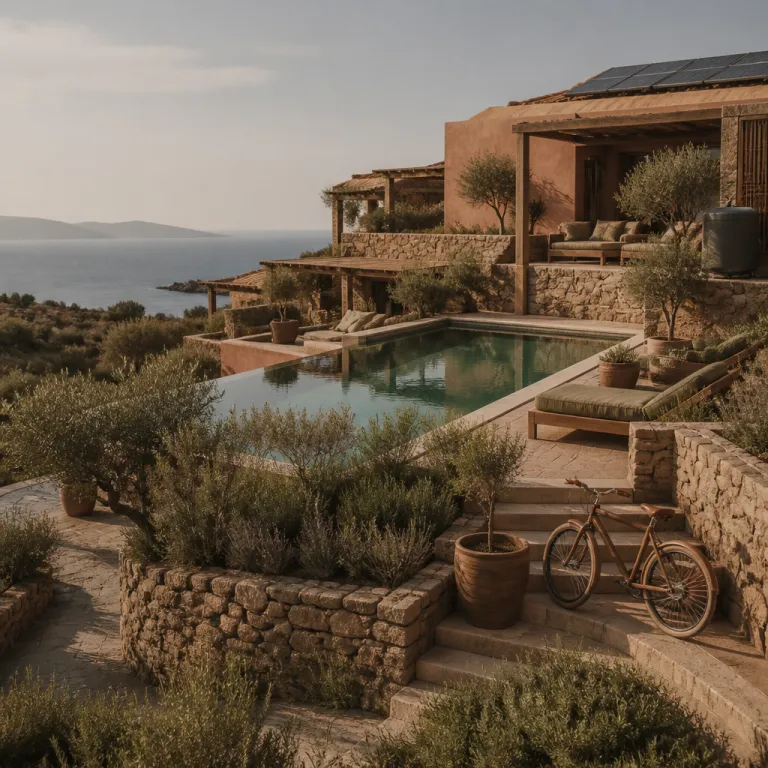
What sustainable luxury really means in the Cyclades now
On the Cycladic map of luxury, the question is no longer whether a hotel looks good in photos. The real test for luxury hotels in the Cyclades is how gracefully they balance high end comfort with the hard limits of water, energy and space on each island. For travelers choosing between hotels across the Cyclades, sustainability has become as decisive as the view from the swimming pool.
In this context, a sustainable luxury hotel in Greece means more than a polished rating or a stylish outdoor pool. It means bioclimatic architecture that keeps rooms cool without aggressive air conditioning, energy efficient systems powered by solar panels, and serious water management in islands where every drop counts. It also means that when you check availability for your preferred dates, you are indirectly voting for properties that support local staff, pay fair wages and invest in long term community resilience rather than short term volume.
The Cyclades are already feeling the impact of the proposed 30 percent bed reduction, which pushes every hotel to rethink its footprint per guest night. This figure has been widely discussed in the context of the Greek Ministry of Tourism’s 2023–2024 spatial planning proposals for the islands, which aim to cap total beds in saturated destinations such as Mykonos and Santorini. Many luxury hotels now limit accommodations seasonal capacity, preferring fewer rooms with higher value and lower impact, instead of chasing a higher rating through sheer size. When you read a hotel review, look for details about rainwater harvesting, greywater reuse for gardens and outdoor swimming areas, and whether the pool is genuinely using modern low chemical filtration rather than relying on vague marketing language.
Reading between the lines of ratings, reviews and amenities
Most travelers start with a hotel rating, a few photos of the pool and a quick check of the price per night. For sustainable luxury hotels in the Cyclades, that first scan should be followed by a deeper read of how the property talks about its footprint, its staff and its supply chain. A polished view hotel gallery tells you about aesthetics, but the fine print about free parking, free WiFi and staff housing tells you about values.
When you read a review, search for concrete signals rather than vague praise about the island vibe or the beach. Guests who mention solar heated outdoor swimming facilities, refillable amenities instead of single use plastics, and genuine local food sourcing are giving you more useful data than those who only rate the sunset. A credible hotel in Greece will often publish its sustainability policy, list certifications such as Green Key, Travelife or the EU Ecolabel, and explain how its accommodations seasonal operations adapt to water shortages or heatwaves, for example by limiting occupancy on peak days or pausing non essential pool refills.
Families comparing luxury hotels in the Cyclades for children can use the same lens, whether they are eyeing Mykonos, Paros or Santorini Greece for their next trip. For a practical framework on family friendly stays that still respect the islands, see this guide to luxury hotels in the Cyclades for families. When you check availability, pay attention to whether the hotel explains its waste management, avoids unnecessary pool heating at night to save energy, and provides clear information about how far it is in minutes walk from the nearest village so you can avoid unnecessary car use.
Mykonos, Santorini and the quieter islands: where sustainable luxury feels real
Mykonos and Santorini remain the headline acts for luxury hotels Cyclades travelers, but they are also the islands where sustainability is hardest to execute. High density, intense night life and constant traffic mean that even a hotel with a strong rating must work harder to offset its impact. When you view hotel options in Mykonos town or around agios Stefanos, ask how they handle private parking, staff transport and water use for every outdoor pool and swimming pool.
By contrast, islands like Sifnos, Tinos, Paros, Ios and Folegandros offer a more naturally sustainable canvas, with walkable villages and shorter distances measured in minutes walk rather than miles of taxi rides. Properties such as Stamna Sifnos, PNOĒS Tinos, SeeSoo Paros, Calilo in Ios and AGADA Folegandros are built around bioclimatic design, local stone and low rise architecture that sits lightly on the landscape. On these islands, you can often check availability for rooms that open directly to an outdoor swimming terrace, where the pool lighting is dimmed or switched off at night to protect the dark sky and the beach remains quiet even in peak season.
If you are torn between the drama of Santorini Greece and the energy of Mykonos, use a comparative lens that goes beyond the usual clichés. This detailed analysis of how to choose between Mykonos and Santorini for a luxury stay is a useful starting point. Then, consider adding a few nights on a smaller island, where hotels around the Cyclades often rely on local food networks, free private transfers from the port and a scale that makes walking to the beach or village square a five minute walk rather than a drive measured in miles.
Architecture, water and energy: the quiet work behind your sea view
On a hot August afternoon, the most sustainable luxury in the Cyclades is often the room that stays cool without blasting the air conditioning. Traditional Cycladic architecture, with thick stone walls, small windows and buildings oriented to catch the meltemi wind, was an early form of climate control long before anyone spoke about a fitness center or spa. When a modern hotel respects these principles, it reduces energy demand for every guest night while keeping the rooms naturally comfortable.
Bioclimatic design, now visible at places like AGADA Folegandros or PNOĒS Tinos, uses local stone, shaded courtyards and planted roofs to keep outdoor spaces usable even under strong sun. Look for descriptions of seasonal outdoor spaces, such as shaded terraces by the outdoor pool or semi open lounges, which allow you to enjoy the view without constant mechanical cooling. When you check availability, pay attention to whether the hotel mentions solar panels, LED lighting, rainwater harvesting or greywater reuse for gardens and outdoor swimming areas, and whether any of these measures are quantified in kW of solar capacity or litres of water saved per year.
Water is the real luxury in these islands, especially on Santorini and Mykonos where demand peaks every night in high season. A responsible hotel will explain how it manages its swimming pool, whether the pool uses modern filtration to reduce chemical use and refills, and how often linens are changed by default. Before you book, read the sustainability section as carefully as you read the spa menu or the description of the fitness center, because the quiet engineering behind your sea view matters as much as the aesthetics.
How to check a hotel's sustainability claims before you book
Marketing language around sustainable luxury hotels in the Cyclades has become fluent, which makes your pre booking check more important than ever. Start with the basics : does the hotel publish a clear sustainability policy, list certifications and explain its partnerships with local artisans or environmental organizations. Then move to the operational details that affect your stay, from free private transfers to whether free parking is offered to reduce random roadside parking near the beach.
When you check availability, note how transparently the hotel communicates about rooms, capacity and accommodations seasonal closures. Properties that close for part of the year often use that time for maintenance, staff training and upgrades to energy systems, which is a healthier pattern than running at full tilt every night. Use the contact email, as with Stamna Sifnos or SeeSoo Paros, to ask specific questions about water management, waste separation, sourcing of food and spa products, and whether the outdoor pool is heated or left unheated to save energy.
There is a simple rule of thumb for separating genuine commitment from greenwashing when comparing hotels across the Cyclades. A real sustainable luxury hotel will answer detailed questions about construction materials, staff housing, local suppliers and transport options, while a performative one will only repeat generic phrases about eco friendliness and a high rating. For a deeper sense of how new openings are approaching this balance, the report on new luxury suites with Aegean views in Paros shows how architecture, dining and energy systems can be aligned from day one.
A practical framework for solo explorers booking sustainable beachfront paradises
For the solo traveler planning a week of sea, light and late swims, the beachfront promise of luxury hotels Cyclades side can be irresistible. The trick is to choose a hotel where the beach and the pool feel like extensions of the landscape rather than intrusions. Start by mapping how far the property sits from the shoreline in minutes walk, whether it offers private parking or encourages guests to arrive by transfer, and how many rooms share each outdoor swimming area.
When you read each review, filter for details that matter to a solo explorer who values both independence and low impact. Comments about easy access to local buses, the ability to walk to the village in a ten minute walk, and staff who share tips on less crowded coves are more useful than generic praise of the island. Pay attention to whether guests from the United States or other long haul markets mention how the hotel helped them understand local customs, supported small tavernas and suggested experiences that go beyond the usual Mykonos or Santorini Greece circuit.
Before you lock in a price per night, run through a short checklist that goes beyond the view hotel photos and the promise of free WiFi. Does the property explain how it manages its swimming pool and outdoor pool lighting, whether it avoids unnecessary heating, and how it supports local producers in its breakfast spread. Finally, remember that “What defines a sustainable luxury hotel?” and “Why choose sustainable accommodations in the Cyclades?” and “How can I verify a hotel's sustainability claims?” are not abstract questions but practical tools you can apply with every check, every email and every booking decision.
Key figures shaping sustainable luxury in the Cyclades
- According to the Booking.com Sustainable Travel Report 2023, 76 % of travelers say they want to travel more sustainably and 43 % are willing to pay more for certified eco friendly stays, which directly supports the rise of sustainable luxury hotels in the Cyclades.
- Data highlighted by the Greek National Tourism Organisation in 2022, drawing on the GNTO and regional tourism observatories, pointed to roughly a 20–25 % year on year increase in bookings for hotels with recognized sustainability labels in Greece, underlining that demand for responsible hotels across the Cyclades is growing faster than conventional options.
- Industry analyses of the South Aegean region between 2019 and 2023, including reports by the South Aegean Region and the Greek Tourism Confederation (SETE), show that while total arrivals to the Cyclades grew by around one third, average revenue per guest night rose by less than one fifth, suggesting that travelers are becoming more price sensitive and selective, often choosing hotels with clear sustainability practices over purely status driven stays.
- The proposed 30 % reduction in available beds across the Cyclades, discussed in 2023 by the Greek Ministry of Tourism and the Ministry of Environment as part of new spatial planning rules for overdeveloped islands, signals a structural shift toward lower density, higher value tourism, which will favor hotels that invest in bioclimatic architecture, efficient outdoor swimming facilities and long term community partnerships.
FAQ about sustainable luxury hotels in the Cyclades
What defines a sustainable luxury hotel in the Cyclades ?
A sustainable luxury hotel in the Cyclades combines high end comfort with measurable reductions in water and energy use, responsible waste management and strong ties to local communities. It often uses bioclimatic architecture, local stone and traditional design to reduce cooling needs while keeping rooms comfortable. You should be able to read clear information about certifications, supply chain transparency and how the hotel treats its staff.
Why should I choose sustainable accommodations in the Cyclades ?
Choosing sustainable accommodations in Greece helps protect fragile island ecosystems, supports local economies and preserves traditional architecture. In the Cyclades, where water is scarce and development pressure is intense, your booking choice directly influences which hotels thrive. You also tend to enjoy more authentic food, calmer outdoor spaces and a stronger sense of place when you stay in properties that work with, not against, their island.
How can I verify a hotel's sustainability claims before booking ?
To verify a hotel's sustainability claims, start by checking for recognized certifications and a detailed sustainability policy on its website. Then read guest reviews for specific mentions of solar panels, water saving measures, local sourcing and staff engagement rather than generic praise. If information is vague, email the hotel with concrete questions about energy, water, waste and community projects, and judge them by the clarity of their answers.
Are smaller islands like Sifnos or Folegandros more sustainable choices than Mykonos or Santorini ?
Smaller islands such as Sifnos, Tinos or Folegandros often offer a more sustainable baseline because of their lower density, walkable villages and strong local food networks. Many hotels there, including places like Stamna Sifnos or AGADA Folegandros, are built with bioclimatic principles and rely heavily on local suppliers. Mykonos and Santorini can still host responsible properties, but you need to check more carefully how each hotel manages water, energy and transport.
What questions should I ask a hotel to assess its sustainability ?
Useful questions include how the hotel manages water for its pool and rooms, whether it uses renewable energy, and how it handles waste separation and recycling. You can also ask about staff housing, partnerships with local producers, and whether the property was built or renovated using local materials and traditional techniques. The more specific and transparent the answers, the more likely you are dealing with a genuinely sustainable luxury hotel rather than a marketing exercise.