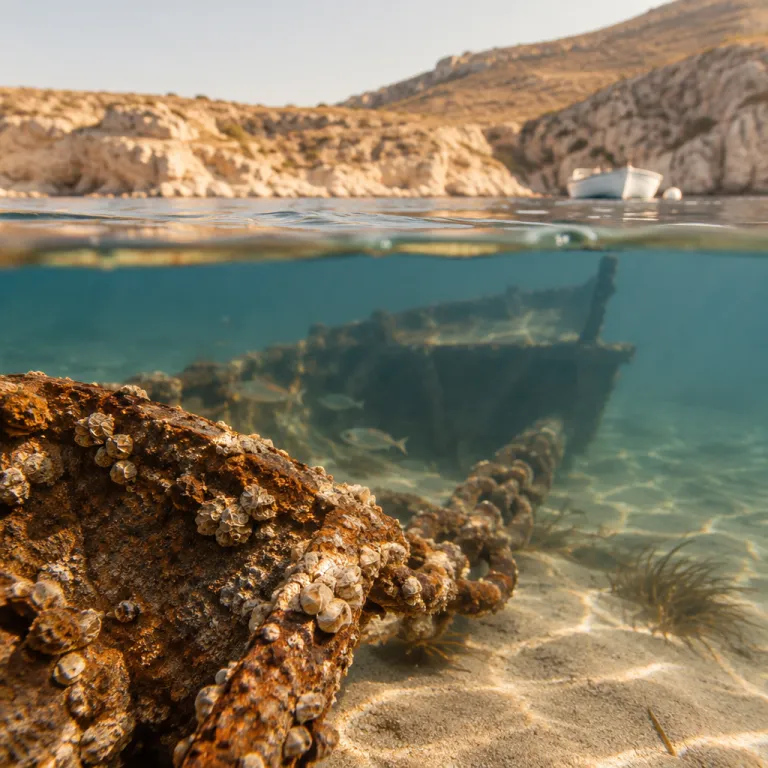
Why autumn quietly becomes the Cyclades' prime dive window
By early autumn, the aegean sea has stored months of heat. Sea temperatures stay inviting for every water diver while the Meltemi winds ease and the surface finally calms. Visibility often stretches for dozens of meters, and the cyclades diving autumn kea wrecks conversation starts to interest even non divers.
For luxury travelers, this season reshapes how the island group feels. Fewer boats mean quieter dive sites, less traffic over each wreck and a more private sense of marine life in motion. You step from a shaded terrace straight into a tailored scuba diving plan, not a crowded high season schedule with a rushed boat dive.
Conditions also suit a wide range of dives, from gentle open water training to deeper wall dive routes for advanced divers. Many divers report that maximum depth feels less intimidating when the water is warmer and the sea is glassy. That balance of comfort and clarity is why cyclades diving autumn kea wrecks itineraries increasingly anchor premium stays in greece.
On the surface, the islands slow down just enough to feel personal. Aegean light softens, sandy beach tavernas are still open, and the boat that takes you to a dive site often feels like a private charter. For a solo explorer, that mix of freedom and structure is rare, especially when a discreet dive center coordinates every transfer from hotel to harbor.
Luxury here is not only about a suite with a view. It is the ability to time your dives around the best water, not the busiest calendar, and to return to a calm room rather than a party crowd. When you frame cyclades diving autumn kea wrecks as an off season privilege, the whole archipelago reads differently.
Kea and the allure of wrecks in the aegean sea
Kea sits on the outer edge of the Cyclades, facing deep water and shipping lanes. That position has left the island with several historic wreck stories, making cyclades diving autumn kea wrecks a natural focus for serious divers. The aegean around Kea feels steeper and more dramatic than many neighbors, with quick drops from sandy shelves into darker blue.
Local operators treat the area almost like a curated diving park, with marked dive sites and controlled access to sensitive wreck structures. A typical boat dive might start over a sandy plateau at 10 to 15 meters, then follow a sloping wall toward the maximum depth agreed for the group. Advanced divers can plan deeper dives, while open water guests stay within their certified maximum depth and still experience the atmosphere of a wreck dive.
For many visitors, the appeal lies as much in context as in depth meters. You might spend a morning exploring a wreck in clear water, then walk through the small archaeological museum in Kea’s main town to see artifacts from the same aegean trade routes. That pairing of underwater and on land history gives cyclades diving autumn kea wrecks itineraries a cultural weight that pure adrenaline destinations often miss.
Luxury hotels on the island increasingly understand this profile of guest. Concierges coordinate with a trusted dive center, arrange early breakfasts before boat departures and keep spa slots open for post dive recovery. When you return from the southwest side of the island after a wall dive, you step into a quiet lobby, not a check in queue.
For travelers who prefer to stay elsewhere but still sample Kea’s wrecks, it is possible to base on a larger island and arrange transfers. Yet there is a strong case for sleeping on Kea itself, especially if you plan multiple dives over several days. The rhythm of cyclades diving autumn kea wrecks feels more coherent when your room, your boat and your chosen dive sites all sit within the same compact aegean frame.
For those considering a wider itinerary that pairs Kea with softer underwater landscapes, an elegant guide to the best hotels in Milos for a refined island stay offers a natural second chapter. You can move from the vertical drama of wreck and wall to the sculpted coves and sandy shelves of a volcanic neighbor without losing the thread of a luxury focused trip.
The gentler underwater Cyclades: Milos, coves and snorkel depth life
Not every traveler wants the intensity of deep wrecks or technical dives. Around Milos and its satellite islets, the underwater Cyclades show a softer side that still fits the cyclades diving autumn kea wrecks narrative. Here, volcanic rock, caves and sheltered coves create natural swim lanes for both snorkelers and new divers.
Shore entries from a quiet sandy beach often lead to seagrass meadows within a few meters of the surface. These Posidonia beds act as underwater forests, sheltering marine life from juvenile fish to octopus, and they remain accessible to any confident water diver with mask and fins. For scuba diving guests, a short boat ride opens more structured dive sites with arches, small cave swim throughs and gentle wall sections that rarely push maximum depth limits.
Autumn suits this gentler underwater world as well. The aegean sea stays warm enough for long sessions in the water, while fewer boats mean less noise over shallow bays and more relaxed briefings from the diving center. Even without chasing cyclades diving autumn kea wrecks, you still benefit from the same seasonal clarity and calm.
From a hospitality perspective, Milos has matured into a refined base for this style of trip. Properties cluster around natural harbors and quiet villages, giving easy access to both sandy coves and rock ledges ideal for a first dive. If you are planning a multi island route, guidance on where to stay in Milos for a refined Cycladic escape helps align your hotel choice with your preferred balance of sea time and slow evenings.
For solo travelers, this is where independence meets structure. You can book a room with a view, arrange a flexible schedule with a local dive center and decide each morning whether the day calls for a full scuba diving session or a simple swim over seagrass. The broader cyclades diving autumn kea wrecks story then becomes a spectrum, from deep steel to shallow stone, all within a few hours of sailing.
Reading the underwater map: walls, caves and island sides
Across the Cyclades, underwater topography changes quickly from island to island and even from north side to southwest side of the same coast. Understanding this map helps you match cyclades diving autumn kea wrecks ambitions with the right base and the right boat. It also allows you to choose between vertical drama and horizontal wandering.
On steeper islands, a wall dive often starts close to shore, where rock drops from a shallow ledge into blue within a few meters. Divers descend along the wall, watching marine life move between crevices, and agree on a maximum depth before the briefing ends. Advanced divers might follow the contour deeper, while open water guests stay higher on the wall and still feel the scale of the aegean beneath them.
Elsewhere, low lying islands offer sandy shelves that extend far from the coast. Here, dive sites tend to be more about subtle changes in depth meters and habitat, from sandy patches to seagrass to scattered rock. These areas suit training dives, relaxed boat dive excursions and long safety stops where the sea feels more like a suspended meadow than a cliff.
Caves and overhangs add another layer, especially around volcanic islands where lava once met water. Many of these formations sit within recreational maximum depth limits, making them accessible to a broad range of divers when conditions are calm. In autumn, with less surface chop, entering a small cave or arch feels less stressful and more like a measured extension of your comfort zone.
For those who prefer to swim rather than strap on a tank, the same structures still matter. A sheltered side island cove with a sandy entry and a protective wall will feel safer and more luxurious than an exposed headland, especially when you are alone. Planning with this underwater map in mind turns cyclades diving autumn kea wrecks from a single destination into a layered archipelago experience.
When surface crowds return to headline beaches, you can still seek quieter coves and rock platforms that keep the sea almost to yourself. A detailed guide on where to swim in the Cyclades when every beach is taken, focusing on coves, rocks and local spots, pairs naturally with your underwater planning and keeps the luxury of space at the center of the trip.
Luxury, responsibility and choosing the right dive center base
High end underwater travel in greece now carries a clear responsibility thread. As marine protected areas expand and local communities push for better stewardship, cyclades diving autumn kea wrecks itineraries must respect both history and habitat. That starts with the choice of dive center and the way each operation treats wrecks, walls and marine life.
A reputable diving center will brief guests on no touch policies, safe distances from fragile structures and how to manage buoyancy over sandy seabeds and seagrass. They will also set conservative maximum depth limits based on certification, not on bravado, and adjust dives if currents or visibility shift. For advanced divers, this professionalism is part of the luxury, because it allows complex dives without unnecessary risk.
From a hotel perspective, the most interesting properties now curate relationships with such operators rather than simply handing over a brochure. Concierges know which dive sites suit a first time water diver, which walls are better for photographers and which wreck routes require a calm north side or southwest side forecast. They coordinate private boat transfers when needed, turning a standard boat dive into a tailored half day at sea.
Responsible practice extends to surface life as well. Guests are encouraged to use reef safe sunscreen, avoid anchoring over sensitive areas when chartering a boat and respect quiet zones near nesting cliffs. When cyclades diving autumn kea wrecks trips align with these principles, the aegean sea remains both a playground and a living system.
For solo explorers, this framework offers clarity. You can ask direct questions about maximum depth, emergency procedures and environmental policies before booking, and choose a base that treats your time and the sea with equal care. In the end, luxury in the underwater Cyclades is not just about thread count or pool length ; it is about stepping off a boat knowing that your dives, your hotel and your hosts all share the same long view of this water.
FAQ
Is autumn really the best time for diving in the Cyclades ?
Autumn often brings the warmest water temperatures after a full summer of heating, while the Meltemi winds usually ease and surface conditions calm. Visibility can improve as plankton blooms fade, giving clearer views of wrecks, walls and marine life. For many divers, this combination makes autumn the most comfortable and rewarding season for cyclades diving autumn kea wrecks trips.
Do I need to be an advanced diver to enjoy the wrecks off Kea ?
Some of the most famous wrecks near Kea sit at depths and exposure levels better suited to advanced divers with experience in open water beyond basic certification. However, there are also shallower sections, nearby reefs and gentler dive sites that allow less experienced guests to enjoy the atmosphere without exceeding safe maximum depth limits. A good dive center will match each wreck related dive to your certification and comfort level.
Can non divers still enjoy the underwater Cyclades during autumn ?
Yes, many islands offer sheltered coves, sandy entries and snorkel friendly reefs where marine life appears within a few meters of the surface. Autumn’s warm water and fewer boats make these spots especially pleasant for long swims or guided snorkeling sessions. Pairing a refined hotel stay with easy access to such coves can deliver much of the cyclades diving autumn kea wrecks appeal without formal scuba training.
How should I choose a hotel if I plan a dive focused trip ?
Look for properties that maintain close relationships with reputable dive centers and can arrange transfers, early breakfasts and gear storage. Proximity to harbors used for boat departures matters, but so does the hotel’s understanding of divers’ rhythms, from quiet evenings to flexible check out after a final morning dive. Reading detailed reviews that mention specific support for cyclades diving autumn kea wrecks itineraries will help you filter options.
What safety questions should I ask a dive center in the Cyclades ?
Before booking, ask about maximum group size, emergency oxygen availability, staff qualifications and how they set maximum depth for each dive. Clarify whether boat dive plans change with wind direction, especially between north side and southwest side exposures, and how they protect both wreck structures and marine life. Clear, confident answers are a strong indicator that your cyclades diving autumn kea wrecks experience will be managed professionally.