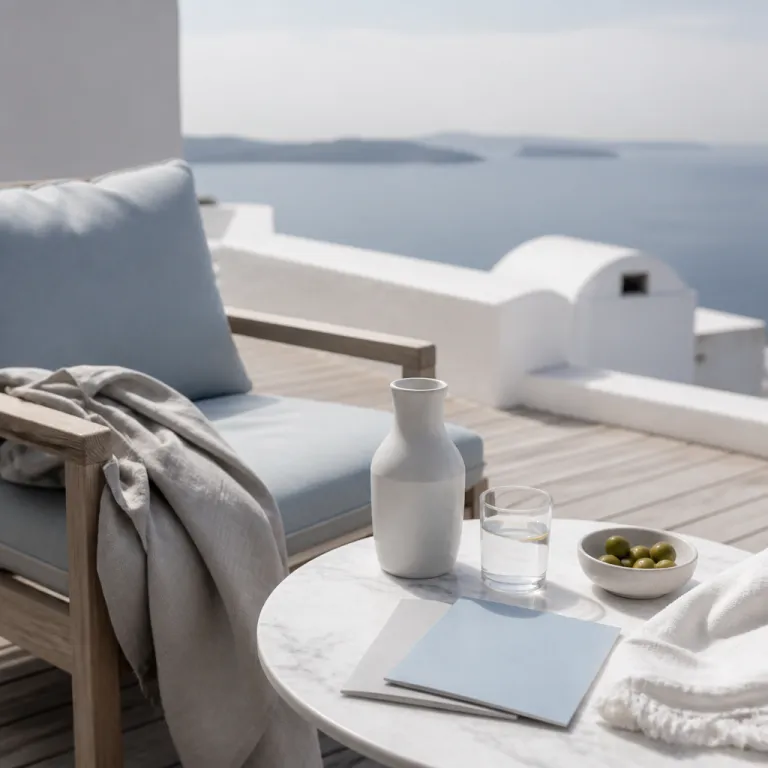
Understanding the best time to visit Italy and Greece for Cyclades‑focused travelers
The best time to visit Italy and Greece depends on what you value most, but for travelers planning a refined island escape, late spring and early autumn usually offer the most rewarding conditions. These shoulder months balance pleasant weather, calmer atmospheres, and reliable transport, giving you space for both cultural depth and relaxed luxury without the intensity of peak summer.
For many guests, the ideal period for an Italy–Greece itinerary falls between late April and early June, then again from early September to late October, when the light over the Aegean is gentle and the time of day feels softer. Average daytime temperatures in Rome in May hover around 20 °C (68 °F), while Athens in September averages close to 24 °C (75 °F), according to long‑term climate records from services such as ClimateData.org and the Hellenic National Meteorological Service. These conditions create a comfortable window for strolling archaeological sites before or after a Cyclades stay and make it easy to connect a few days in Rome and Florence with a longer spell on the Greek islands.
Peak summer, especially July and August, brings intense heat, crowded destinations, and higher rates across both countries. Climate data and national tourism boards consistently note that “July and August are peak tourist months” in both Italy and Greece. This means that while the beach scene is energetic and beach clubs are in full swing, the time you spend queuing at major places such as the Colosseum, the Vatican Museums, or the Acropolis can eat into your relaxation and limit spontaneous day trips from your Cyclades base.
Many luxury travelers now treat the timing of an Italy–Greece journey as a strategic decision rather than a simple date choice. They research the weather, consult local experts, and use online tools to understand how each season shapes the experience in every country and island. One Athens‑based concierge describes this planning mindset as “the difference between simply visiting the Cyclades and truly inhabiting them for a week,” especially when you want to pair a high‑end Cyclades hotel with curated cultural excursions on both sides of the Adriatic.
When you visit Greece in late spring, the Greek islands feel freshly awakened, with wildflowers on the hillsides and clear visibility over the sea. During the same time of year, northern Italy still has a touch of coolness, while southern Italy and the Amalfi Coast already offer warm days for a scenic day trip or coastal drive. Balancing these contrasts helps you define your own best travel window and ensures that every timing choice supports your style of travel, whether you lean toward museum‑heavy city days or long afternoons at a beach club.
How seasons shape cultural excursions from Cyclades luxury hotels
Seasonal shifts in Greece and Italy do more than change the weather; they redefine how you experience culture. When you choose the best time to visit Italy and Greece, you are also choosing how you will walk through ancient streets, taste local wines, and enjoy curated excursions from your Cyclades base. The right season can turn a simple trip into a layered journey through history, gastronomy, and landscape, especially when you plan specific day trips in advance.
Spring and early autumn are widely regarded as the most rewarding periods for cultural day trips from the Greek islands to mainland sites. During these shoulder‑season months, ferries between Piraeus and Cyclades hubs such as Mykonos, Paros, and Naxos are frequent, the sun is warm but not harsh, and the crowds in Athens or on Santorini’s caldera paths remain manageable. This is when a visit to the Acropolis in the morning, followed by a sunset return to your island hotel, feels like a seamless extension of your stay rather than a logistical challenge.
Wine‑focused travelers often ask how the best time to visit Italy and Greece intersects with vineyard experiences. On Santorini, volcanic terroir and the Assyrtiko grape reach their expressive peak in late summer and early autumn, when harvest activities animate the island and wineries extend their tasting hours. For a deeper understanding of these wines before or after your cultural excursions, consult a dedicated resource such as a wine lover’s guide to Santorini’s volcanic vineyards, then coordinate tastings with your hotel concierge, who can arrange private transfers and reserve sunset tables overlooking the caldera.
In Italy, the same shoulder season that flatters the Greek islands also enhances visits to Rome, Florence, and the Amalfi Coast. Mild weather allows you to enjoy open‑air museums, piazzas, and coastal viewpoints without the fatigue of peak summer heat. When you pair these Italian destinations with a Cyclades stay, you create a Greece–Italy itinerary that flows naturally between urban culture and island serenity, for example by spending three nights in Rome, two in Florence, and five to seven on a single island such as Paros or Naxos.
Winter brings a different rhythm to both countries, and it can still be a good time for certain travelers. As the Italian National Tourist Board notes, “winter offers fewer crowds but cooler temperatures.” This quieter season suits guests who prefer museum visits, opera performances, and long meals in local restaurants over beach clubs and sailing excursions. A traveler might, for instance, combine a winter city break in Rome and Florence with a contemplative week on a less busy Greek island such as Syros, where a handful of boutique hotels remain open and offer fireside tastings of local wines and cheeses.
Aligning Italy–Greece city stays with Cyclades island escapes
Many guests booking luxury hotels in the Cyclades want to know how to align city stays in Italy and Greece with their island time. The best time to visit Italy and Greece for this kind of multi‑stop journey usually falls in late spring or early autumn, when flight and ferry schedules are generous but not overwhelmed. This timing allows you to move smoothly between countries, cities, and islands without sacrificing comfort or spending entire days in transit.
One elegant approach is to start your trip in Rome, then continue to Florence before flying to Athens and onward to the Greek islands. A typical routing might involve a high‑speed train from Rome to Florence in under 1.5 hours, a direct flight from Florence or Rome to Athens in about 2 hours, and then a 40‑ to 50‑minute flight from Athens to islands such as Mykonos, Santorini, or Paros. During the shoulder season, you can enjoy the Colosseum, the Uffizi, and the Acropolis in relatively mild weather, then arrive in the Cyclades just as the sea becomes warm enough for swimming. This sequence turns the time you spend in each place into a coherent narrative, from imperial forums to whitewashed lanes.
Families often ask whether the best time to visit Italy and Greece changes when traveling with children. In practice, the same shoulder season that suits adults also works well for younger travelers, because temperatures are manageable and queues are shorter. A family might, for example, spend three nights near Piazza Navona in Rome, two nights in Florence’s historic center, and then a week on Naxos or Paros, where shallow beaches and easy day trips to nearby islands keep children engaged. For inspiration on how to structure island days beyond the hotel pool, consult a resource such as a guide to Cyclades adventures with children, then adapt your planning to include both cultural and playful elements.
When you visit Greece in late May or in September–October, you gain access to a wide range of curated excursions from your Cyclades hotel. These might include guided walks through ancient sanctuaries on nearby islands, private boat trips to secluded beaches, or culinary tours that highlight local produce and regional Greek wines. Because the season is less crowded, your hotel concierge can often secure last‑minute reservations at sought‑after places, both on the islands and in Athens, and can advise on the most comfortable ferry departures from ports such as Rafina, Piraeus, or Lavrio.
For travelers who prefer cooler air, early spring and late autumn can still be a good time to visit Italy and Greece, especially for city‑focused days. You might pair a few crisp mornings in Rome and Florence with evenings in Athens before sailing to the islands for quieter walks and cultural talks hosted by your hotel. The key is to treat time of year as a design element in your itinerary, not just a backdrop, and to allow at least one buffer day in Athens or Rome to absorb any weather‑related changes to ferry or flight schedules.
Weather, beaches, and the rhythm of Cyclades luxury stays
Weather patterns across Italy and Greece directly influence how you experience the beach, the islands, and the cultural life of each destination. When you consider the best time to visit Italy and Greece, think in terms of how the sun, wind, and sea will shape your days rather than only looking at temperature charts. This perspective is especially relevant when you are investing in a premium Cyclades hotel with extensive outdoor spaces, infinity pools, and open‑air dining terraces.
From late May to early June and again from September to early October, the Greek islands typically offer warm days, cooler evenings, and sea temperatures that are comfortable for swimming. According to the Hellenic National Meteorological Service, average sea temperatures around the Cyclades in June often reach 22–23 °C (72–73 °F), which many travelers find ideal. During this shoulder season, the Meltemi winds are present but usually manageable, which creates a great time for sailing excursions, cliffside hikes, and long lunches at beach clubs. These conditions also make it a good time for photography, as the light is softer than in the height of summer and sunsets often linger over the Aegean.
In contrast, July and August bring intense sun and higher humidity to both Italy and Greece, especially in southern regions and on exposed islands. While this peak season is ideal for guests who want a lively atmosphere, late‑night beach bars, and extended beach hours, it can be less comfortable for long cultural excursions or city walking tours. If your priority is to enjoy both the beach and historical places in a single trip, the most comfortable travel period will likely fall just before or after these peak months, when you can still swim daily but explore sites such as Delphi, Knossos, or Pompeii without the most extreme heat.
Luxury hotels in the Cyclades often tailor their cultural programming to the season, adjusting the timing of guided tours, tastings, and performances to match the weather. In milder months, you might join a morning visit to a local monastery, followed by a day trip to a neighboring island and a sunset wine pairing on the terrace. During hotter periods, the same hotel may shift activities to early morning and late evening, leaving the middle of the day free for shaded relaxation or spa treatments. A general manager on Mykonos summarizes this approach simply: “In July we chase the shade; in May we chase the views.”
When you plan a combined Italy–Greece itinerary, remember that coastal Italian destinations such as the Amalfi Coast, Puglia, and Sicily share similar seasonal rhythms with the Greek islands. Spring and early autumn offer a great time for scenic drives, terrace dining, and boat trips along dramatic shorelines, while winter brings a quieter, more introspective mood with many seasonal restaurants closed. Aligning these patterns with your Cyclades stay ensures that every segment of your trip feels coherent, from the first cappuccino in Italy to the last sunset over the Aegean.
Designing cultural excursions from Cyclades hotels across the year
Choosing the best time to visit Italy and Greece is only the first step; the next is designing cultural excursions that match each season. Luxury and premium hotels in the Cyclades increasingly curate experiences that respond to the time of year, from archaeological tours to culinary workshops and art walks. When you coordinate these offerings with your broader Italy–Greece itinerary, you create a trip that feels both seamless and deeply rooted in place, rather than a series of disconnected stops.
In spring, many hotels emphasize outdoor cultural activities that take advantage of mild weather and blooming landscapes. You might join a guided hike to an ancient sanctuary, followed by a picnic featuring local cheeses, olives, and seasonal vegetables sourced from nearby farms. This is also a good time to arrange a day trip to Athens, where you can explore museums and neighborhoods before returning to the calm of your island base. Travelers often report that a spring evening ferry back to the Cyclades, with the Acropolis fading into the distance, becomes one of the most memorable moments of the entire Italy–Greece journey.
Summer, especially July–August, shifts the focus toward experiences that blend culture with the beach and the sea. Curated boat excursions can include stops at archaeological sites accessible only from the water, while evening programs might feature live Greek music or storytelling under the stars. If you are combining these stays with a trip to Italy that includes Rome and Florence, consider scheduling your city days at the very start or end of the season to avoid the most intense heat, then reserving the hottest weeks for island‑based activities such as snorkeling, sailing, and late‑night dining.
Autumn, particularly September–October, is often the best time to visit Italy and Greece for travelers who prioritize food, wine, and local festivals. On the Greek islands, harvest season brings grape pressing, olive picking, and village celebrations that hotels can help you access in an authentic yet comfortable way. In Italy, the same period is ideal for truffle hunts in regions such as Tuscany and Piedmont, vineyard visits in Chianti or Valpolicella, and market tours in cities like Florence or Bologna, which pair beautifully with a quieter Cyclades stay focused on wellness and gastronomy.
Even in winter, when some island services reduce their hours, select luxury properties remain open and offer introspective cultural programs. Guests might enjoy private museum‑style tours of local collections, cooking classes focused on hearty Greek dishes, or literary evenings that trace the history of the islands. One Athens‑based concierge describes this season as “a time when you can hear your own footsteps in the museums,” a reminder that for travelers who appreciate a slower rhythm, winter can be a surprisingly good time to visit Greece and then continue to Italy for a contemplative city break in Rome, Florence, or Venice.
Active and family friendly cultural experiences from Cyclades bases
Active travelers and families often approach the best time to visit Italy and Greece with slightly different priorities. They look for a season that balances comfortable weather, manageable travel days, and a wide range of activities suitable for various ages. The Cyclades, with their mix of beaches, trails, and historical sites, offer a flexible base for this kind of trip, especially when combined with a few days in Italian cities or coastal towns.
For guests who enjoy combining cultural excursions with water sports, late spring and early autumn usually provide the most favorable conditions. Winds are often ideal for sailing and windsurfing, while temperatures remain pleasant for hiking to ancient towers or hilltop chapels. To understand how one island can serve as an active hub, consider a guide to using Naxos as an active holiday base for water sports, trails, and coves, then adapt similar principles to your own itinerary by choosing a central port town and planning day trips to nearby beaches and villages.
Families planning itineraries that combine Italy and Greece often find that the shoulder season offers a great time for both learning and leisure. Children can explore archaeological sites in Athens or on Delos in the morning, then relax at the beach in the afternoon, without the fatigue that peak summer heat can bring. When you add a few days in Rome, Florence, or on the Amalfi Coast, you create a narrative that moves from mythology to Renaissance art and coastal villages. A typical family‑friendly plan might include three nights in Rome, two in Florence, and seven on a single Cycladic island to minimize packing and unpacking.
During July–August, the focus naturally shifts toward the beach and the sea, but cultural experiences remain accessible with thoughtful timing. Early morning visits to local museums or historic villages, followed by shaded lunches and late afternoon swims, can keep energy levels steady. Luxury hotels often support this rhythm by arranging private transfers, flexible meal times, and child‑friendly guides who bring Greek history to life with stories and interactive activities rather than long lectures in the midday sun.
Whatever the season, the most successful Italy–Greece itineraries treat time as a design tool rather than a constraint. By aligning your city stays, island days, and cultural excursions with the natural rhythms of each country, you ensure that every visit feels intentional. This approach transforms the question of when to go from a simple date range into a framework for meaningful travel, especially when you are investing in premium hotels and private experiences.
Practical planning tips for luxury Cyclades stays linked to Italy
Turning the idea of the best time to visit Italy and Greece into a concrete itinerary requires a few practical steps. Start by deciding how you want to divide your time between cities, islands, and the beach, then map these preferences onto the calendar. From there, you can refine your choices based on weather patterns, local events, and hotel availability, always allowing a margin for ferry schedule changes or flight delays.
For many travelers, a balanced Italy–Greece journey might allocate one third of the trip to Italian cities such as Rome and Florence, one third to Athens and nearby cultural places, and one third to a single Cyclades island or a small cluster of islands. A 12‑night example could be four nights in Rome and Florence combined, three in Athens, and five on Paros or Mykonos. This structure allows you to enjoy museums, archaeological sites, and relaxed beach days without constant packing and unpacking. When you choose the shoulder season, you also gain more flexibility in securing premium rooms and private excursions at flagship properties.
Consulting local tourism boards, established travel guides, and weather forecasts will help you refine the best time to visit Italy and Greece for your specific interests. Various local festivals occur during these seasons, from Orthodox Easter celebrations in Greek villages to food and wine events in Italian towns. Aligning your dates with these events can add depth to your experience, whether you are attending a religious procession in a Cycladic village square or a truffle festival in a Tuscan hill town.
When booking luxury hotels in the Cyclades, ask how their cultural programming changes by season and how they can support excursions to both local sites and mainland Greece. Some properties maintain close relationships with expert guides in Athens, enabling seamless day trips or overnight stays that connect your island time with the capital’s museums and neighborhoods. Others may specialize in maritime heritage, offering visits to traditional shipyards or lighthouses as part of their cultural portfolio, or arranging private yacht charters timed to sunset or full‑moon rises.
Finally, remember that the best time to visit Italy and Greece is the period when your expectations, interests, and the character of each destination align. Whether you prefer the energy of July–August, the softness of September–October, or the introspective calm of winter, thoughtful planning will help you enjoy each country at its most rewarding. In the context of a Cyclades luxury stay, this means treating time not just as a schedule, but as an essential ingredient in the art of travel, shaping everything from the angle of the light at breakfast to the mood of your final evening walk.
Key figures on timing your Italy–Greece and Cyclades journey
- Average May temperature in Rome is about 20 °C (68 °F), according to ClimateData.org, which offers comfortable conditions for city walks before or after a Cyclades stay.
- Average September temperature in Athens is around 24 °C (75 °F), based on ClimateData.org data, making it ideal for combining archaeological visits with late‑season island trips.
- Shoulder‑season months such as May to early June and September to early October typically see lower hotel rates than July and August, which can improve overall trip value for luxury travelers.
- Peak tourist activity in both Italy and Greece concentrates in July and August, when flight loads, ferry occupancy, and major site queues reach their highest levels.
- Travel industry reports and national tourism boards show a rising share of visitors choosing spring and autumn for Italy–Greece itineraries, reflecting growing interest in off‑peak cultural tourism.
Frequently asked questions about the best time to visit Italy and Greece
What is the overall best time to visit Italy and Greece for a combined trip?
For most travelers, late spring and early autumn offer the best balance of pleasant weather, manageable crowds, and reliable transport connections. These shoulder‑season months are especially suitable when you want to combine Italian cities, Athens, and the Cyclades in a single itinerary. They also align well with cultural festivals and harvest activities in both countries, giving you a richer sense of local life.
Are July and August a good time for a luxury Cyclades stay linked with Italy?
July and August can be a great time if you prioritize lively beach scenes, long daylight hours, and a full program of seasonal events. However, these months also bring higher temperatures, busier destinations, and premium pricing in both Italy and Greece. Travelers seeking quieter cultural excursions may prefer the weeks just before or after this peak period, when ferries and flights still run frequently but crowds thin slightly.
Is winter suitable for visiting Italy and Greece with a focus on culture?
Winter is a viable option for culture‑oriented travelers who value fewer crowds and a slower pace. Major museums and archaeological sites in cities such as Rome, Florence, and Athens remain open, and hotel rates often decrease. The trade‑off is cooler weather and reduced services on some islands, so careful planning is essential, particularly if you intend to include smaller Cycladic islands with limited winter ferry connections.
How many days should I allocate to the Cyclades within an Italy–Greece itinerary?
A minimum of five to seven nights in the Cyclades allows you to settle into one island and enjoy both beach time and cultural excursions. Travelers with more time can add a second island or extend their stay to include active pursuits such as hiking and sailing. The key is to avoid fragmenting your schedule with too many short stops, which can make even a luxury trip feel rushed.
Should I book cultural excursions in advance or on arrival at my Cyclades hotel?
During shoulder season and peak months, booking key excursions in advance through your hotel or trusted operators is advisable, especially for private guides and boat trips. At quieter times of year, you may have more flexibility to arrange activities after arrival. In all cases, communicating your interests early helps your hotel team tailor experiences to your preferences and suggest the most suitable days based on weather forecasts and ferry timetables.