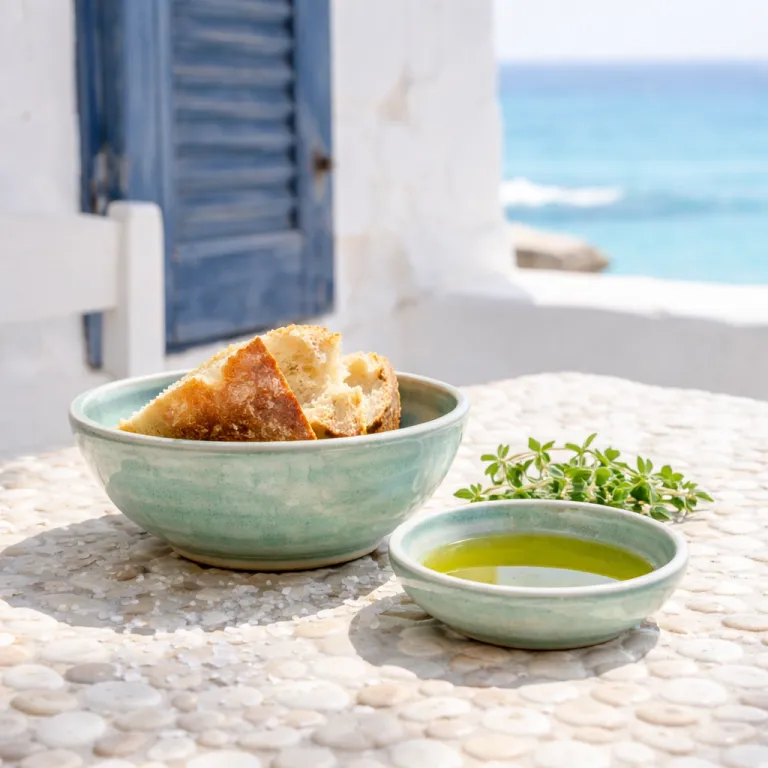
From caldera terraces to plastic tablecloths: redefining luxury in Cycladic dining
Step off the ferry in the Cyclades and the first scent is usually grilled fish, not truffle foam. On islands where around 220 inhabited and uninhabited fragments of rock scatter across the Aegean Sea, according to the Greek National Tourism Organization (GNTO, 2023 estimates), the most coveted dining experience is still a humble Greek taverna table ten metres from the water. For a luxury traveller used to tasting menus and wine pairings, this is where the real Cycladic dining experience quietly rewrites the rules of what feels premium in Greece.
On Paros, a quiet culinary paradox is playing out in real time, as Michelin-level technique arrives with chefs such as Luca Piscazzi at Vione and offers a refined restaurant menu that could sit comfortably in London or Rome, as reported in recent Greek food press. The plates are exquisite, the dining room is choreographed, yet the culinary memory that lingers for most guests is often a late lunch in a family-run taverna where the owner simply recites the list of the day’s catch. That contrast is not a failure of fine dining in Greece; it is a reminder that in the Cyclades, proximity to source and a direct line to the sea are the real luxuries.
Ask regulars why they return to the same seaside address on Naxos or Sifnos and the answers rarely mention design or stemware. They talk about the Greek grandmother who still checks every plate, the view of fishing boats that supplied the dishes an hour earlier, and the quiet efficiency of a family that has worked the same dining room for decades. This is Greek hospitality at its most distilled, and it shapes a dining experience that no imported restaurant concept can fully imitate.
Research by the GNTO and regional tourism boards on Cycladic gastronomy underlines why this matters for serious travellers. Methods such as using local ingredients, wood-fired ovens and handcrafted utensils are not nostalgic props but working tools that define flavour and texture in every traditional recipe. When local fishermen and regional farmers are partners rather than anonymous suppliers, the curated menu of a small taverna becomes a living map of the island’s micro seasons and a unique culinary guide to Greece.
One on-the-record comment from Sifnos-based food writer Maria Kourbela, published in a 2022 regional gastronomy report, captures the essence succinctly: “What makes Cycladic tavernas unique is the triangle of authentic cuisine, local ingredients, and traditional settings.” Her follow-up is equally blunt about the hotel side of the equation: “Most resorts struggle to recreate that atmosphere because you cannot standardise spontaneity or multi-generational family service.” For a business-leisure traveller weighing where to allocate both time and budget, those two sentences should sit beside any hotel’s culinary brochure.
At stay-in-cyclades.com, we see this tension every season when executives extend a Mykonos or Santorini trip into a long weekend. They might book a suite with a private pool and a highly curated restaurant, yet ask us for a list of tavernas where the octopus still dries on the line and the bill for two will not exceed 50 euros. The answer is rarely the hotel dining room, however polished the service or ambitious the wine cellar; it is usually a family address where the menu follows the weather and the dining room feels like an extension of the village square.
Why hotel kitchens cannot cook like the village bakery
To understand why hotels struggle, start with Sifnos on a Sunday morning when revithada, the island’s slow-cooked chickpea stew, emerges from village bakery ovens. These are not theatrical props for visitors but working wood-fired chambers where pots have simmered all night, creating a depth of flavour that no induction hob in a luxury dining room can match. The result is a dining experience that feels both ancient and intensely present, and it anchors the Cycladic taverna tradition in daily life rather than staged nostalgia.
Hotel management teams across Greece know this and many are trying to close the gap with carefully curated menus and chef-led concepts. Yet the operational logic of a five-star property, with HACCP protocols, buffet breakfasts and room service, pushes kitchens toward consistency rather than the improvisation that defines the best taverna cooking. A fisherman arriving at 17.00 with unexpected squid is a gift for a family restaurant, but a complication for a resort that has already printed its menu, costed every dish and trained a rotating brigade to execute it.
On Kea, One&Only has taken a more intelligent path by building a traditional Greek tavern concept inside the resort, sourcing Cycladic land and sea products and foregrounding provenance in its restaurant narrative. Guests can sit in a sheltered dining room that feels closer to a village square than a lobby extension, while the culinary team follows seasonal rhythms instead of only corporate calendars. It is a rare example of a hotel restaurant that respects the grammar of a taverna rather than merely borrowing its vocabulary for themed nights.
Compare that with the fine-dining paradox on Paros, where Roman-inspired tasting menus compete with a shoreline of family-run tavernas serving grilled fish at 20 euros per person. The economics are stark: a hotel dinner can easily reach 80 to 150 euros per head, while a taverna meal often sits between 15 and 25 euros, yet the latter usually offers a closer relationship to source and a more relaxed Greek dining experience. For a business traveller used to expense-account restaurants, that price gap reframes value and raises sharp questions about what “premium” should mean in the Cyclades.
Nightlife islands illustrate the same tension after dark. In Mykonos Town, premium mixology bars and signature cocktail venues, such as those mapped in guides to Mykonos nightlife and high-end cocktails, sit a few alleys away from simple tavernas where the wine is local and the chairs are slightly uneven. One space sells crafted experiences at metropolitan prices, the other offers a more informal form of Greek hospitality where the owner might join you for a glass. Both have their place, but only one feels rooted in Cycladic daily life and the rhythms of the surrounding neighbourhood.
Operational constraints also shape what appears on the plate in hotel dining rooms. Large properties must maintain a predictable list of dishes that can be executed by rotating teams, while a family taverna can change its approach to flavour daily, following whatever the sea and fields provide. That flexibility is not a romantic detail; it is the structural reason why a simple Greek restaurant by the harbour often delivers a more vivid dining experience than any carefully scripted tasting menu in a resort.
How to read a menu like a local: curating your own Cycladic taverna circuit
For the executive traveller landing in Greece with limited evenings, the challenge is not whether to eat in a taverna but which ones deserve your time. Authenticity is not guaranteed by plastic chairs or a hand-painted sign, and some waterfront restaurants now cook more for Instagram than for locals. To curate your own Cycladic taverna circuit, you need to read the signals that residents quietly follow and build a personal list of addresses that match your style of dining.
Start with the menu and ask what changes daily, because a laminated list of international dishes is rarely a good sign. The best tavernas in the Cyclades will often have a short printed card for structure, then a spoken supplement that reflects the morning’s catch or whatever the family has slow-cooked in the back kitchen. When the owner walks you to the fridge or the pans and talks through each option, you are already inside a more intimate dining experience where the restaurant feels like a family table.
Next, look at who is eating there and at what time, since locals rarely book the first sunset sitting. On islands like Naxos, Sifnos or Tinos, a taverna that fills with Greek families after 21.00 usually signals honest cooking and fair pricing. If the dining room is dominated by large tour groups at 19.00 and empty later, you are probably in a restaurant optimised for turnover rather than for flavour, and the best dishes may be designed around speed instead of seasonal produce.
Address details matter less than context, because the most interesting culinary stories often unfold one street back from the harbour. In Paros, that might mean a family-run place behind Naoussa’s marina where the view is of laundry lines rather than yachts, but the grilled sardines are quietly the best on the island. On Sifnos, it could be a courtyard taverna in Apollonia where the ceramic dishes echo the island’s pottery heritage and the revithada tastes like it came from a village oven rather than a hotel buffet.
At stay-in-cyclades.com, we maintain a curated internal list of such places, not as a rigid ranking but as a living map that evolves each season. Our criteria are simple: a clear link to local producers, a menu that changes with the sea and fields, and a sense of Greek hospitality that treats solo business travellers and large families with the same attention. When a restaurant meets those standards, it becomes part of the Cycladic dining experience we recommend alongside specific hotels, and we will often suggest a sequence of tavernas that follow your island-hopping itinerary.
There is also a question of comfort, because authenticity should not mean romanticising discomfort or poor hygiene. A good taverna will feel relaxed but clean, with staff who can explain dishes without performance and a bill that aligns with what locals are paying. If you are staying on a quieter island such as Ios, whose evolving character is explored in guides to the island’s quiet reinvention, this balance between simplicity and care becomes even more important when you choose where to eat each night.
What luxury hotels should learn from the Cycladic family table
The smartest luxury properties in the Cyclades are no longer trying to out-cook the village taverna; they are learning from it. Instead of staging faux rustic nights with checked tablecloths, they are building genuine partnerships with local fishermen and farmers, then letting those relationships shape the dining experience. This is where the Cycladic family table can inform, rather than compete with, high-end hospitality and help hotels design a more grounded restaurant concept.
One practical shift is moving from static, chef-driven menus to more agile formats that leave space for daily specials and seasonal surprises. A resort restaurant on Milos or Folegandros that publishes a core list of dishes but reserves a blackboard for whatever arrived that morning is already closer to the taverna model. Guests still enjoy the comfort of a polished dining room and professional service, yet the culinary narrative follows the same currents as the island’s working tables and fishing boats.
Another lesson lies in service style and the choreography of Greek hospitality. In many family-run tavernas, the person taking your order is also the one who helped prepare the food, and that continuity creates a rare level of accountability. Hotels cannot fully replicate a multi-generational family dynamic, but they can train teams to speak about dishes with the same personal conviction and to treat regulars not as room numbers but as part of an extended island family whose preferences they remember.
Design can also support this shift when it resists generic luxury cues and instead frames the view and materials that already exist. Properties such as Stamna on Sifnos, which integrate ceramic heritage and locally sourced ingredients into both plateware and recipes, show how a curated aesthetic can still feel grounded. The goal is not to stage a taverna inside a resort, but to let the dining room echo the textures and rhythms of the surrounding village and the wider Cyclades.
For business-leisure travellers, the most rewarding strategy is to treat hotel and taverna meals as complementary rather than interchangeable. Use the hotel restaurant for structured evenings, client dinners and wine-led conversations, then follow locals to their preferred addresses for late-night grilled fish or Sunday revithada. Over a four-night stay, that mix will give you both the refinement you expect and the unvarnished Cycladic flavour that you will remember long after you leave Greece.
In the end, the real luxury in the Cyclades is not a rare ingredient or a complex technique, but the feeling that your plate has travelled a very short distance. A family taverna can deliver that with startling ease, while even the best hotel kitchens must work hard to simulate the same immediacy. The properties that will win the next generation of discerning travellers are those that accept this truth and build their culinary strategy around it, rather than pretending that a tasting menu alone defines a premium dining experience in Greece.
Key figures shaping Cycladic taverna and hotel dining
- The Cyclades comprise around 220 islands and islets in Greece, according to the Greek National Tourism Organization, which creates an unusually dense network of local tavernas and hotel restaurants competing for culinary attention across a relatively compact region.
- A typical taverna meal in the Cyclades costs approximately 15 to 25 euros per person, while a full dinner in a luxury hotel restaurant often ranges from 80 to 150 euros per person, meaning travellers can experience three or four authentic taverna evenings for the price of one resort tasting menu.
- Culinary tourism to the Greek islands has grown steadily over the past decade, with national tourism bodies and regional chambers reporting rising demand for “authentic” food experiences, which directly increases the strategic importance of taverna partnerships for premium hotels in the Cyclades.
- Traditional methods such as wood-fired ovens and long, slow cooking remain central to many Cycladic dishes, and these techniques are significantly harder to implement in large-scale hotel kitchens that must prioritise speed, consistency and strict safety protocols.
- Evening hours remain the core period for taverna service across the Cyclades, and this timing aligns with the habits of local residents, which gives family-run restaurants a natural advantage over hotel venues that must also cover breakfast, lunch and all-day poolside dining.