Why Santorini belongs on every wine lover’s Cyclades itinerary
Santorini looks like a postcard, but its vineyards tell the deeper story. On this island, wine and hospitality are woven together, and the right hotel booking can turn a simple winery visit into a curated cultural excursion. For couples planning a premium stay, a thoughtful guide to Santorini’s volcanic vineyards and Assyrtiko estates becomes the quiet backbone of the trip.
The volcanic soil shapes both the wines and the way you move across the island, from caldera views at your suite to sunset wine tasting on a cliff edge. Terraced vineyards cling to the slopes above the sea, and many estates now welcome visitors for scheduled tastings, typically from late morning until early evening in the main season. When you choose where to stay, you are also choosing which vineyards, wines and grape varieties will frame your days.
High end hotels in the best Santorini locations often maintain close relationships with key producers across the island, including Santo Wines, Estate Argyros, Domaine Sigalas and Gaia Wines. Instead of generic group excursions, you can usually book small scale visits that focus on quieter hours, such as late morning or just before sunset, when the light is softer and tasting terraces feel calmer. For wine lovers who value privacy, this balance between independent winery visits and practical support from your base is what turns a simple stopover into a coherent island narrative.
Assyrtiko, kouloura vines and the volcanic terroir behind the glass
Assyrtiko is the island’s flagship white grape, and it behaves differently here than anywhere else. The combination of volcanic soil, fierce Meltemi winds and very low annual rainfall forces the vines to work hard, concentrating flavour in every grape. When you read any serious guide to Santorini wine, vineyards and Assyrtiko, you quickly see why this grape underpins both the island’s wines and its gastronomic reputation.
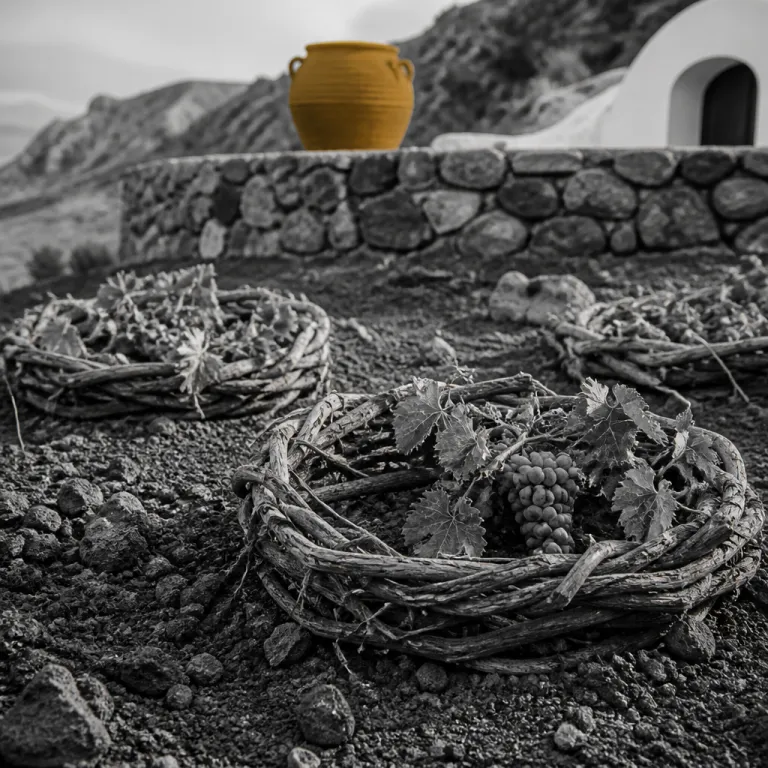
Across most of the vineyards, Assyrtiko grapes are trained in the distinctive kouloura baskets that sit low to the ground. This method protects the grape clusters from the wind, traps precious morning dew and helps the vines survive in fields of pumice and ash. As local experts put it, “What is Assyrtiko? A white grape variety native to Santorini.” and “Why are Santorini's wines unique? Due to volcanic soil and traditional cultivation methods.”
Luxury hotels that take wine seriously now design cultural excursions around these vineyards, not just the tasting rooms. A private driver can take you from your suite to a sunrise walk through the vines, where you see the kouloura up close before any winery visit or formal wine tasting. Couples travelling with older children can even combine these vineyard tours with broader island experiences, using guides such as this one on Cyclades adventures beyond the hotel pool to balance wine, culture and family time.
Key estates: from Santo Wines to Domaine Sigalas and Gaia Wines
For a focused introduction to Santorini’s wine estates and Assyrtiko vineyards, four names matter for a first visit. Santo Wines, the island cooperative, offers some of the best caldera views anywhere, and its terrace is often the first stop for wine lovers staying in nearby luxury hotels. Here you can taste a flight of Santorini wines, from crisp white Assyrtiko to amber Vinsanto, while your concierge quietly extends your table reservation as the light softens.
Domaine Sigalas, near Oia, feels more intimate and has become a benchmark for structured Assyrtiko wines that age gracefully. Many premium properties in the north arrange late afternoon wine tours here, timing the visit so you reach your hotel terrace just as the sun drops behind the island. Estate Argyros, closer to the centre, offers meticulous winery visits that highlight old vines, single vineyard bottlings and the role of different grape varieties in shaping both dry wines and Vinsanto.
On the coast, Gaia Wines experiments with wild fermentations in a restored industrial building, where the sea sits only metres from the vineyards. A curated wine tour might link Gaia Wines with a stop at Santo Wines, contrasting ocean influenced Santorini bottlings with those grown higher above the caldera. For travellers curious about how quieter islands are evolving beyond party reputations, the same insider mindset that takes you to Gaia Wines will also help you appreciate the quiet reinvention of Ios and its emerging food and wine scene.
Designing a wine led stay: pairing hotels, tours and tastings
Planning a luxury stay around wine in Santorini starts with geography. If you want to prioritise caldera views with easy access to Santo Wines, consider properties perched above the port road where a short transfer delivers you straight to the cooperative for sunset wine tasting. Couples who care more about quiet vineyards than cliff edge drama might choose inland estates, where a winery visit can be a five minute stroll rather than a half day tour.
Many premium hotels now offer dedicated wine concierges who build custom wine tours around your palate and schedule. They can arrange private tastings at multiple Santorini wineries in one day, balancing structured white Assyrtiko flights with older Vinsanto and experimental bottlings from smaller producers. The best itineraries leave space for a long lunch at a local taverna, where grilled fish, fava and tomatoes meet the island’s wines in their natural habitat.
For those sensitive to heat, the best time for a full day wine tour is usually early spring or late autumn, when the sun is softer and the vineyards feel calmer. If you are set on a harvest experience, the late August to early September window is often ideal for seeing grapes arrive at the winery, though tastings can be busier. To understand how seasonal winds shape both sailing plans and vineyard life, it is worth reading a specialist Meltemi overview such as this guide to the Cyclades summer winds before you finalise your hotel booking.
Beyond Assyrtiko: food, Vinsanto and cultural excursions from your hotel
A serious Santorini wine and vineyard guide must also look beyond the flagship grape. Athiri and Aidani contribute aromatic lift to many white blends, while Mandilaria and Mavrotragano reds are quietly reclaiming space on serious wine lists. When your hotel sommelier suggests a local red with slow cooked lamb, it is an invitation to explore the full spectrum of Santorini wines rather than staying with familiar whites.
Vinsanto, the island’s sun dried dessert wine, deserves at least one focused tasting during your stay. Many wineries across Santorini offer vertical flights that show how the wine evolves over time, pairing it with local cheeses, nuts and spoon sweets for a complete cultural excursion. Some luxury properties now host Vinsanto themed dinners, where each course is built around the wine’s flavours, from caramelised onions to dark chocolate desserts.
Gastronomy on the island has accelerated in step with its wines, with Santorini taking a significant share of recent South Aegean culinary awards and confirming its status as a serious dining destination. High end restaurants work closely with local wineries to source both wine and produce hyper locally, turning every wine tasting into a lesson in volcanic agriculture. When you book a premium hotel through a specialist platform focused on the Cyclades, you gain access to these layered experiences, where a simple wine tour becomes a window into the island’s history, landscape and evolving hospitality culture.
FAQ
What is Assyrtiko and why is it important in Santorini?
Assyrtiko is a white grape variety native to Santorini, and it covers the majority of the island’s vineyards. Its naturally high acidity and mineral profile reflect the volcanic soil, giving Santorini wine a distinctive, saline edge that pairs well with local seafood. Because Assyrtiko thrives in these harsh conditions, it has become the backbone of both dry whites and some styles of Vinsanto.
Why are Santorini’s wines different from other Greek wines?
Santorini’s vineyards grow on volcanic soil made of ash, pumice and lava, with very low rainfall and strong winds. Vines are trained in low basket shapes, the kouloura, which protect the grapes and capture moisture, a method rarely seen elsewhere. This combination of geology and technique produces wines with intense minerality, bright acidity and a distinct sense of place.
When is the best time to visit Santorini’s vineyards?
The best time to visit for comfortable wine tours is usually spring and autumn, when temperatures are milder and tasting rooms are calmer. For travellers who want to see harvest activity, late August to early September often offers the most energy in the vineyards and wineries. During peak summer, early morning or late evening winery visits work better, especially for couples combining tastings with luxury hotel stays.
How many wineries can I visit in one day without feeling rushed?
Most wine lovers find that two or three winery visits in a day allow enough time for tastings, short vineyard walks and relaxed transfers. A typical itinerary might include a focused Assyrtiko flight at a smaller estate, followed by a broader tasting at a larger winery with caldera views. Building in a long lunch between stops keeps the pace comfortable and lets you appreciate the wines with food.
Do I need a car to explore Santorini’s wine region from my hotel?
You do not need to drive yourself, especially if you plan to taste widely. Many luxury and premium hotels can arrange private drivers or organised wine tours that collect you from your room and handle all logistics. This approach is safer, more relaxed and allows you to focus on the wines, the landscape and the cultural context rather than parking and navigation.