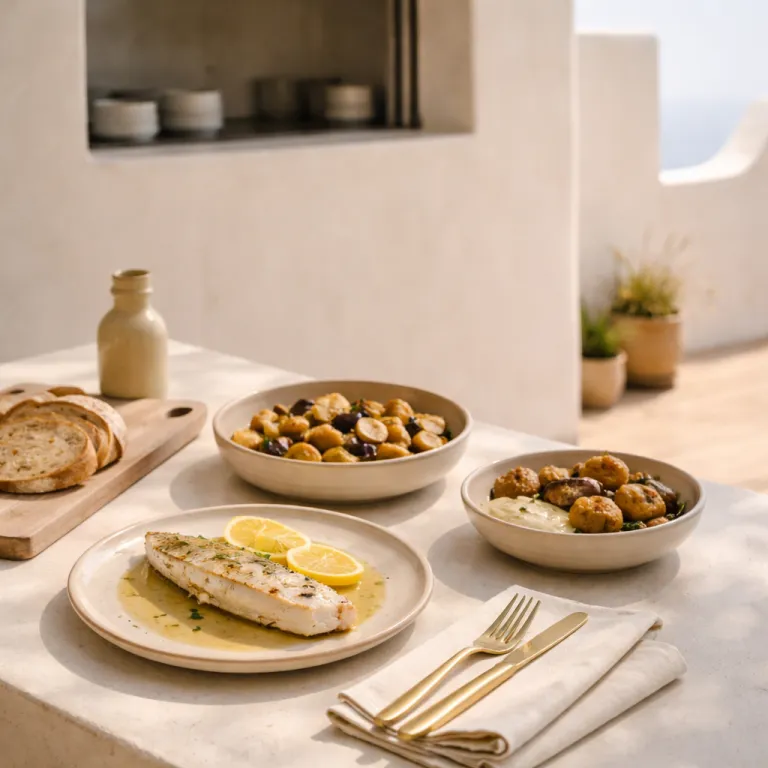
From hotel dining rooms to archipelago playbook
Across the Cyclades, luxury hotel kitchens are finally catching up with what travelers have been tasting in village tavernas for years. The most interesting Cycladic restaurants for summer 2026 are not chasing global trends; they are using local food and the surrounding sea as a precise brief. For guests booking premium suites, that shift turns every dinner into a dining experience that feels anchored to a specific island rather than to a generic idea of Greece.
The appointment of chef Yiannis Kioroglou as Culinary Director for Empiria Group’s Cycladic portfolio in 2023 is the clearest signal of this new seriousness about food, a role confirmed in the group’s official announcements and press coverage on its corporate website. A cross-property position means that a guest moving from a caldera-view hotel in Santorini to a quiet retreat on another island can expect the same respect for local ingredients, the same attention to restaurant food textures and temperatures, and a wine list that reads like a map of the Aegean Sea. For travelers planning a trip built around standout Cyclades restaurants in summer 2026, this kind of culinary continuity across hotels now matters as much as thread count or pool design.
Kioroglou’s work at Lure in Mystique Santorini shows how creative Greek cooking can coexist with the expectations of a luxury resort audience. The menu features seafood and fresh fish that lean into Cycladic terroir, pairing grilled octopus or fried calamari with vegetables grown on volcanic soil and cheese from nearby islands rather than imports. As one recent guest put it in a review, “every plate tasted like Santorini, not like a hotel copy of Athens fine dining.” When a hotel restaurant treats traditional Greek recipes with this kind of precision, it stops being a fallback option and becomes one of the best places to book in July and August when external tables are full; reservations can be made directly through the Mystique Santorini concierge or booking team.
Gastro tavernas, caldera views and honest pricing
On Santorini’s cliffs, the reopening of Rizes Gastro Taverna on the caldera marks a quiet revolution in how luxury travelers eat. In its second season, the pivot from white-tablecloth formality to what the team calls gastro taverna honesty fits the mood of Cycladic dining in summer 2026, where visitors want elevated cooking without losing the feeling of a real island meal. The atmosphere is relaxed but precise, with a bar-restaurant counter for cocktails and wine before dinner and a terrace where the Aegean Sea becomes part of the menu.
Here, the menu features traditional Greek dishes built around local ingredients rather than imported showpieces. You might start with fresh seafood meze, then move to grilled octopus brushed with olive oil from nearby groves, or a plate of fried calamari served with a sharp island cheese and tomatoes grown in pumice-rich soil. The price point sits above a simple fishing-village taverna, yet diners report in each review that the overall experience feels fair because the restaurant food tastes of place and the wine list leans on Cycladic producers instead of anonymous labels.
For travelers using a luxury hotel booking website to plan a trip, Rizes now reads less like a special-occasion splurge and more like a reference point for what the best food on the caldera should be. It is also a useful benchmark when you scan other Cyclades restaurant listings for summer 2026, helping you judge whether a dining room is serious about local food or just trading on the view. To go deeper into how premium hotel platforms are curating this new wave of creative Greek dining, the guide to culinary artistry on luxury hotel booking websites in the Cyclades is worth reading before you lock in your reservations, and you can secure a table at Rizes directly via its official website or by asking your hotel concierge to call ahead.
Sifnos, Milos and the islands that built a food identity
Not every island is starting from scratch. Sifnos has long been the quiet culinary capital of the Cyclades, and Cyclades restaurants summer 2026 itineraries finally reflect that reality for travelers who care about food as much as sunsets. This is the birthplace of Nikolaos Tselementes, and you still taste his influence in slow-cooked revithada, lamb mastelo and the way local restaurants treat cheese as a serious course rather than a garnish.
On Sifnos, the best restaurants are often simple rooms where the menu features just a handful of dishes, each built around local ingredients from nearby farms and the surrounding sea. Traditional Greek stews share space with fresh fish grilled over charcoal, while bar-restaurant terraces serve cocktails and wine alongside plates of fresh seafood and ice cream made with island milk. For guests staying in premium suites, the most rewarding dining experience is often a short drive from the hotel, in a fishing village where the price is modest and the atmosphere is all Aegean Sea breeze and clinking glasses.
Milos is following a similar path, with a new generation of chefs using the island’s volcanic soil and fishing fleet to define what best food means here. Expect grilled octopus hung to dry above the harbour, fried calamari served beside boats that landed the catch, and restaurant food that treats local food as non-negotiable rather than a marketing line. For a deeper sense of how these quieter islands fit into a wider gastronomic trail, the piece on Naxian graviera and Sifnian revithada maps the villages, cheeses and dishes that justify an extra ferry leg.
Local sourcing, private chefs and how to actually book
The most meaningful change behind Cycladic restaurant culture in summer 2026 is invisible on Instagram. Several serious hotel and independent restaurant kitchens now work with supply chains where up to seventy percent of ingredients come from Cycladic producers rather than from Athens, which transforms both the taste of the food and the sustainability profile of your trip. In practice, that means local ingredients in everything from breakfast cheese boards to late-night ice cream, and fresh fish landed by small boats instead of industrial trawlers.
One Santorini restaurant, for example, now serves roughly 70% Cycladic-sourced ingredients and publicly refuses non-essential imports, a stance echoed in kitchens across Naxos, Mykonos and Sifnos; this commitment is detailed in the restaurant’s own sustainability statement and supplier policy. The Greek National Tourism Organization notes that the Cyclades include more than 200 islands and islets and that Greece as a whole welcomes over 30 million visitors annually, so when even a fraction of those travelers choose restaurant food built on local food, the impact on farmers and fishing-village economies is real. Services like Chefs of Greece show how this logic extends into villas and suites, since they provide private chef services in Mykonos and Naxos for guests who want a dining experience built around fresh seafood, grilled octopus and creative Greek menus without leaving their terrace.
For hotel guests, the practical question is always how to secure the best tables in July and August when demand peaks. The safest move is to book key dinners at least two weeks ahead through your hotel concierge, especially for the best restaurants with serious wine lists and sea views, then leave space for spontaneous lunches where you follow your nose to a bar restaurant in a fishing village. If you are pairing gastronomy with spa time, the guide to planning a Cycladic wellness retreat helps you balance long tasting menus with mornings in the hammam or on the yoga deck.
Archipelago-wide: from Irakleia to Mykonos rooftops
Beyond the headline islands, some of the most interesting Cyclades restaurants for summer 2026 are hiding in plain sight. On tiny Irakleia, chef-patron Giannis Gavalas runs Arakleia restaurant as a lesson in how traditional cooking techniques and local ingredients can feel quietly luxurious without any fuss. Travelers arriving from larger islands often describe the experience as a reset, with simple seafood dishes, sharp cheese and a price that feels almost out of time compared with more famous neighbours.
Mykonos, by contrast, has long been the stage for imported concepts, yet even here the mood is shifting. Matsuhisa Mykonos, led by Nobu Matsuhisa, remains a reference for Japanese fusion dining, but the most interesting tables now weave fresh fish from local boats and creative Greek touches into the omakase rhythm, proving that a global brand can still respect the island it occupies. When you read a review of these places on a luxury hotel booking website, look for specifics about the menu features, the sourcing of fresh seafood and how the atmosphere balances glamour with a sense of Greece rather than pure spectacle.
Across the archipelago, travelers are also experimenting with private chef dinners as an alternative to yet another night out. Cycladic kitchens are offering unique dining experiences this summer, and the stated objectives are to “Showcase local ingredients. Highlight traditional Cycladic recipes. Provide personalized dining services.” For guests who care as much about the wine list and grilled octopus as about the plunge pool, this is the season when hotel concierges, chef collectives and small bar-restaurant teams finally seem aligned around one idea, that the best food in the Cyclades should taste unmistakably of the islands themselves; most concierges can now share direct email contacts or online booking forms for trusted private chefs.
FAQ
What are Cycladic kitchens and why do they matter for travelers ?
Cycladic kitchens are traditional cooking spaces and culinary practices found across the Cyclades islands, known for their whitewashed architecture and ingredient-driven cuisine. For travelers, they matter because they shape how restaurant food tastes, from the way fresh fish is grilled to how cheese is aged and stored. When a hotel or restaurant respects these kitchens, the dining experience feels rooted in real island life rather than in generic resort cooking.
Which Cycladic islands are currently best for food focused trips ?
Sifnos, Naxos and Milos stand out for travelers planning a trip around Cyclades restaurants summer 2026. Sifnos offers deep traditional Greek dishes like revithada and mastelo, Naxos is strong on cheese and local ingredients, and Milos excels in seafood thanks to its active fishing villages. Mykonos and Santorini add high-end dining and creative Greek menus, especially within luxury hotels, so a multi-island itinerary lets you sample all these strengths.
How far in advance should I book restaurants in july august ?
For the best restaurants on Santorini and Mykonos, aim to reserve key dinners at least two weeks ahead for peak July and August dates, especially if you want sunset views or tasting menus. On quieter islands like Sifnos or Milos, a few days’ notice usually secures a table, though small bar-restaurant spots in popular fishing villages can still fill up quickly. Always ask your hotel concierge to reconfirm bookings on the day, as weather or ferry delays can shift service times.
How can I book a private chef in the Cyclades ?
Private chef services are now common on major islands, especially for villa stays and premium suites. Companies such as Chefs of Greece allow you to book a chef in Mykonos or Naxos, choosing menus that highlight fresh seafood, grilled octopus and other local food specialties. Your hotel or villa host can usually coordinate logistics, from sourcing local ingredients to pairing wines from the Aegean Sea region.
Are Cycladic restaurants really using local ingredients or is it marketing ?
There is genuine progress, though not every restaurant lives up to its claims. Some Santorini and Naxos kitchens now source around seventy percent of their ingredients from Cycladic producers, focusing on fresh fish, vegetables and cheese from nearby islands, while others still rely heavily on imports from Athens. When choosing where to eat, read each review carefully and look for specific mentions of local ingredients, seasonal menu features and relationships with named farms or fishing villages; serious restaurants increasingly publish sourcing notes or sustainability charters that you can check before booking.