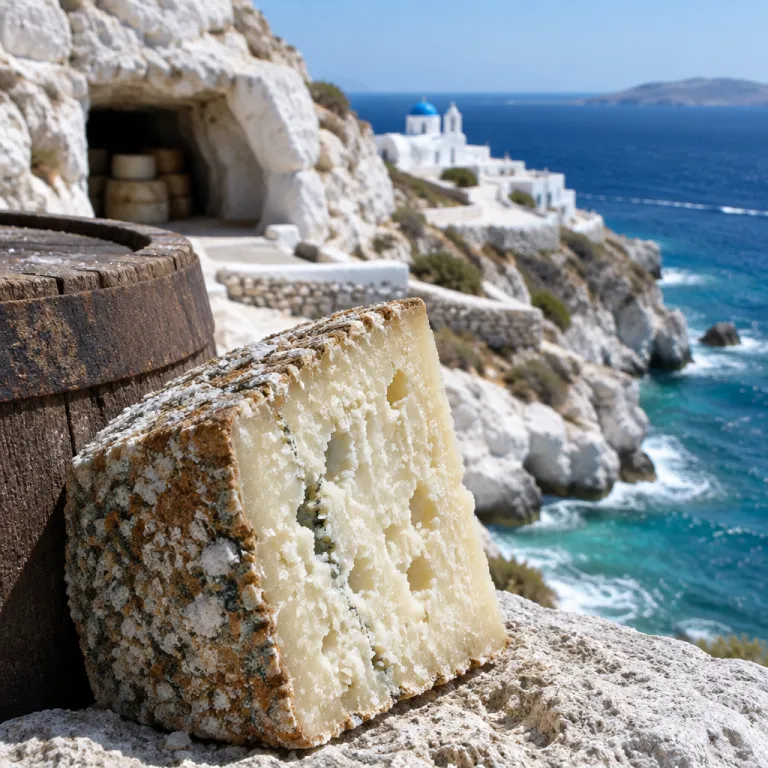
A cyclades local cheese guide to traditional Greek flavours for hotel guests
Most luxury travelers arrive in the Cyclades expecting Greek feta and little else. Yet a thoughtful Cycladic cheese guide to traditional Greek flavours reveals an archipelago where every island treats milk as a signature, not a commodity. On a clear morning the ferry deck opens window after window onto each Greek island, and with every port you step closer to cheeses that rarely leave these Aegean shores.
From your suite in Santorini or Syros, the breakfast buffet usually offers one safe white cheese and perhaps a harder slice beside olives and olive oil. Ask the team to arrange a tasting of local Greek cheese instead, and the conversation quickly shifts to goat milk, sheep milk and even the occasional cow milk experiment. This is where a luxury stay on any Cycladic island becomes a culinary field trip through Greek cuisine, not just a view over the sea.
Think of this as a private Cyclades local cheese guide to traditional Greek flavours in your pocket, designed for guests who book premium rooms but want farm tracks as much as infinity pools. The dry winds that sweep these islands push sheep and goat herds into sparse hillsides, concentrating flavour in every drop of milk. That climate, more than any marketing, explains why so many hard cheese and semi hard wheels from the Cyclades carry a white yellow glow and a mineral, almost salty finish.
From breakfast buffet to barrel room: how hotels can stage serious tastings
On stay-in-cyclades.com we see a pattern across luxury properties in Greece; the dining pages talk about Greek cuisine, but the cheese list stops at feta cheese. A hotel that treats this Cycladic cheese heritage seriously will brief its concierge to move beyond generic Greek feta and ask suppliers for named wheels from each island. That shift from anonymous cheese goat to traceable Greek cheese producers instantly raises both perceived value and actual quality.
Many five star kitchens already source olive oil from a single island, yet still pour mixed cow milk and goat milk cheeses into the same stainless steel trays. Request a curated plate that separates hard cheese from semi hard and fresh white cheeses, and you will often unlock a hidden stash of local specialties. This is where a sommelier can pair Assyrtiko or Malagousia with specific cheeses, turning a simple pre dinner snack into a structured tasting that quietly justifies the room price.
For travelers planning stays through a luxury and premium hotel booking website, look for properties that speak openly about farm visits and agritourism in their culinary storytelling. One reliable sign is when the hotel blog already explores the culinary artistry of Cycladic hotels, as seen in this guide to high end gastronomy in Cycladic hotels. Those teams usually know which nearby Cyclades islands host dairies that welcome visitors, and which tavernas in each Greek island treat the cheese course as the quiet climax of dinner.
Naxos, Mykonos, Syros and beyond: island by island cheese highlights
Naxos is the natural starting point for any Cyclades local cheese guide to traditional Greek flavours because Graviera Naxou has become a reference point. Official PDO specifications from the European Commission describe it as a hard table cheese from Naxos made mainly from cow's milk, sometimes with small additions of sheep or goat milk. Those same references note a minimum fat in dry matter of around 40 % and moisture near 38 %, numbers that translate in the mouth as a dense, nutty, slightly sweet hard cheese that pairs beautifully with local honey.
Producers such as E.A.S. Naxos and Graviera Pittara age wheels in mountain caves, where the cool air and stone walls shape both texture and aroma. One cheesemaker from the E.A.S. cooperative describes the result as “like roasted nuts with a hint of caramel when the wheel is fully mature.” When you stay on the island, ask your hotel to arrange a visit to these cooperatives or to a smaller farm using sheep milk and goat milk blends for more rustic wheels. Many agritourism partners now combine traditional cheese making with modern facilities, so you can walk from stainless steel vats to old stone aging rooms in a few steps.
Mykonos, better known for beach clubs than barns, hides kopanisti in back street fromageries and old family tavernas. Official descriptions from Greek agricultural authorities answer the question “How is Kopanisti made?” by calling it a spicy, soft cheese made from various milks, aged traditionally in cool rooms and stirred regularly to develop its characteristic heat. Order it with raki and olives in Hora and you will understand how this pungent spread, often based on sheep goat or goat sheep blends, rewrites the idea of Greek cheese as only mild and white.
Syros contributes San Michali, a protected hard cheese made exclusively from local cow milk, with PDO notes explaining that it is produced only on the island and matured for at least four months. Taste it in an old café on the waterfront and you will notice the white yellow colour deepening towards amber at the rind, with aromas that hint at toasted bread and hazelnut. For a quieter trail, follow this detailed route from Naxian graviera to Sifnian dishes in the guide to food trails across the quieter Cyclades, then add your own stops in Sifnos and other lesser known islands.
Where to taste: from farm tracks to hotel terraces in the Cyclades
Once you start asking about local cheese on any Cycladic island, doors open quickly. Farmers near Sifnos, Syros and Santorini often sell directly from small dairies, where a hand written sign and a barking dog mark the entrance. Many of these spots sit within 5 to 15 km of high end resorts, yet most guests never leave the pool deck to taste what the land actually produces.
Solo travelers can use a rental car or a taxi to reach farms that welcome visitors for short tastings and quick tours of the aging rooms. You will see how sheep milk and goat milk are handled separately before being blended into sheep goat or goat sheep cheeses, and how some wheels are left to become fully hard while others stay semi hard and supple. Ask about price by the kilo and you will often find that even the most characterful hard cheese costs less than a single cocktail back at your hotel.
In the island capitals, narrow alleys hide fromageries where the glass counter opens window after window onto Greek cheese from across the Cyclades islands. Here you can compare white fresh cheeses from Santorini with more aged white yellow wheels from other Greek islands, then carry a small selection back to your room. Many luxury properties are happy to plate your market purchases with fruit and olive oil, turning a simple shopping trip into a private terrace tasting that rivals any formal restaurant menu.
Pairings, agritourism and how to read between the lines of hotel promises
A serious Cyclades local cheese guide to traditional Greek flavours must end at the table, where wine, honey and spirits frame every bite. Assyrtiko from Santorini cuts through the richness of feta cheese and other white cheeses, while Malagousia from mainland Greece flatters semi hard and hard cheese with floral notes. For something stronger, local raki or aged tsipouro works beautifully with spicy kopanisti or intense cheese goat spreads.
When browsing a luxury and premium hotel booking website, read the culinary section as closely as you read the spa menu. If the copy only mentions generic Greek cuisine and a standard Greek island breakfast, expect a safe but unremarkable cheese selection. If, instead, the hotel names specific Cyclades islands, talks about visits to local farms and references producers such as E.A.S. Naxos or dairies on Sifnos and Syros, you are likely looking at a property that treats food as seriously as design.
Some of the most interesting stays now combine architecture and gastronomy, as shown in this guide to design forward hotels in the Cyclades. These places understand that a view over the Greek islands means more when the plate in front of you reflects the same landscape through sheep milk, goat milk and even rare cow milk cheeses. For a solo explorer, that alignment between room, island and cheese board is where a trip stops being a standard holiday and becomes a story worth retelling.
FAQ
What is Graviera Naxou and where can I taste it ?
Graviera Naxou is a protected hard table cheese from Naxos made primarily from cow milk, with a minimum fat in dry matter of about 40 % and moisture near 38 %, according to its PDO specification. You can taste it at cooperatives such as E.A.S. Naxos, at family dairies like Graviera Pittara in Melanes, and in many tavernas across the island. Guests at luxury hotels can often ask the concierge to arrange a farm visit or a curated cheese plate featuring this local specialty.
How is Mykonos kopanisti different from standard feta cheese ?
Kopanisti from Mykonos is a spicy, fermented soft cheese made from various milks, often including sheep milk and goat milk, and aged in a way that encourages strong, pungent flavours. Feta cheese, by contrast, is a brined white cheese with a crumbly texture and milder, saltier taste. On Mykonos you will usually find kopanisti served as a spread with bread, olives and spirits, while feta appears more often in salads and baked dishes.
Can I visit cheese farms while staying at luxury hotels in the Cyclades ?
Many Cycladic islands now offer agritourism experiences where visitors can tour small dairies, see traditional cheese making and taste products on site. Luxury hotels often collaborate with these farms, arranging private transfers and tastings that fit comfortably between beach time and dinner. When booking, look for properties that mention farm visits, local producers or curated culinary experiences in their descriptions.
What makes San Michali cheese from Syros unique ?
San Michali is a hard cheese produced exclusively on the island of Syros using local cow milk, which is relatively rare in the Cyclades where sheep and goat herds dominate. The cheese has a firm texture, a pronounced savoury flavour and a colour that shifts from pale white to deeper yellow near the rind. You can try it in traditional cafés on Syros or request it as part of a cheese plate in higher end restaurants and hotels.
How should I pair Cycladic cheeses with Greek wines during my stay ?
Assyrtiko from Santorini pairs well with salty white cheeses and feta, while richer semi hard and hard cheeses from Naxos or Syros work nicely with fuller bodied whites such as Malagousia or even light reds. For spicy cheeses like Mykonos kopanisti, local spirits such as raki or tsipouro can be more interesting than wine. Many hotel sommeliers in the Cyclades are happy to build a custom flight around a cheese plate if you ask in advance.