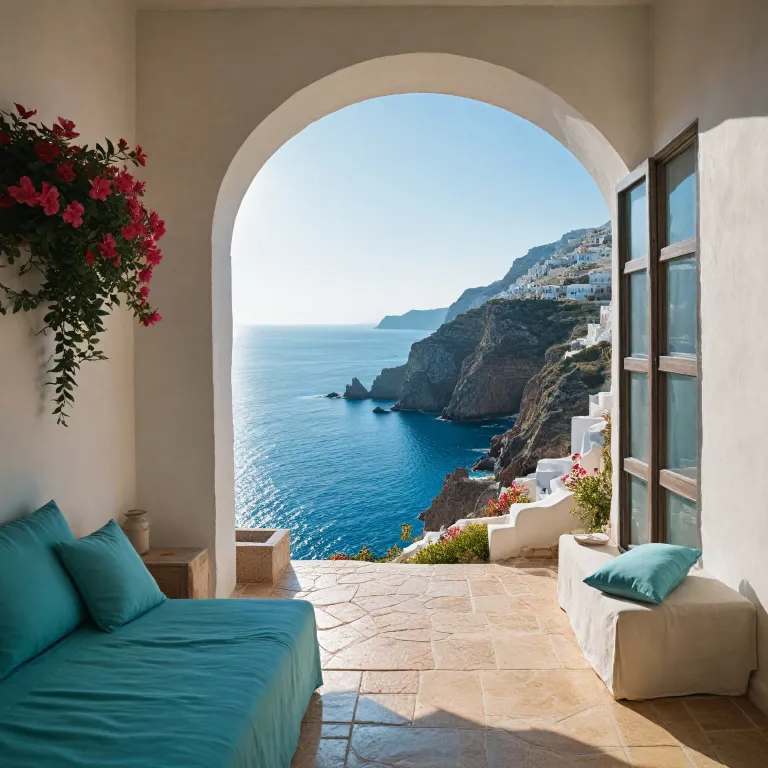
Why Greece beaches define luxury travel in the Cyclades
Greece beaches shape almost every decision for high end stays in the Cyclades. For travellers choosing a luxury or premium hotel on a Greek island, the distance to a sandy beach, the clarity of the water, and the character of the nearby town often matter more than the room category itself. When you plan a trip across the Greek islands, you are really curating a personal map of coastlines, coves, and the best beaches for your style of relaxation.
The Blue Flag eco label has turned many Greece beaches into benchmarks for environmental quality and safety. Coordinated locally by the Hellenic Society for the Protection of Nature and overseen globally by the Foundation for Environmental Education, this program evaluates water quality, services, and environmental management with rigorous criteria. As a result, travellers can confidently filter Greek beaches and Greek islands by Blue Flag status when selecting a hotel, especially if they value crystal clear water and well managed sands.
Luxury travellers often compare islands best known for their coastlines, weighing the Ionian islands against the Aegean Sea. They might contrast Myrtos Beach and Navagio Beach in Kefalonia and Zakynthos with the volcanic shores of Santorini or a sandy beach on a quieter Greek island. Each beach, and the cluster of beach bars, beach bar terraces, and coastal paths around it, influences whether a property feels like a serene hideaway or a vibrant social hub.
For many guests, the promise of Greek beaches with white sand and clear water is inseparable from the hotel booking journey. They read reviews that mention specific beaches Greece is famous for, such as Porto Katsiki or Paradise Beach, and then cross reference those with transfer times from Athens or Corfu Town. In practice, the geography of the sea and the rhythm of the bus routes become as important as the thread count of the sheets.
Aligning Cyclades hotel choices with iconic Greece beaches
Selecting a luxury hotel in the Cyclades starts with understanding how you want to experience Greece beaches each day. Some travellers prefer to wake directly on a sandy beach, stepping from their suite to the sea within minutes, while others favour elevated views over the Aegean Sea with a short walk or shuttle to the coast. The key is to match your expectations of Greek beaches with the specific island and town layout.
On Santorini, many premium hotels perch on the caldera rather than on a beach, trading immediate sand access for sweeping sea panoramas. Guests often take a bus or private transfer down to the coast, where beach bars line stretches of dark volcanic sand and clear water laps at the shore. This contrasts with islands best known for long sandy beaches, where a Greek island resort may sit directly behind white sand and shallow waters.
Food focused travellers should also consider how gastronomy intersects with Greece beaches when choosing where to stay. Properties that highlight coastal dining often collaborate with chefs who celebrate Greek island produce and fresh seafood, and you can explore this dimension further through dedicated guides to the culinary artistry of luxury and premium hotel booking websites in the Cyclades. A refined beach bar on a sandy beach can become an extension of the hotel experience, especially when it offers attentive service, shaded loungers, and carefully curated Greek wines.
When comparing Greek beaches, pay attention to how hotels describe access to the sea and nearby beaches Greece promotes through the Blue Flag program. Some properties provide scheduled bus services to the best beaches on the island, while others rely on taxis or walking paths. If you plan to visit several Greek islands, consider whether your itinerary balances iconic spots like Navagio Beach and Myrtos Beach with quieter coves where the only sounds are waves and distant conversations from a single beach bar.
Design, ambience, and proximity to Greece beaches
For discerning guests, the design of a hotel can be as important as its distance from Greece beaches. Many premium properties in the Cyclades draw inspiration from the whitewashed towns that overlook the Aegean Sea, echoing the curves of the coast and the tones of the sand. When architecture, interiors, and landscape design align with the surrounding Greek beaches, the entire stay feels more coherent and serene.
Travellers researching Greek islands often compare how different destinations integrate design with the natural environment. On a Greek island like Mykonos, for example, a hotel near Beach Mykonos might embrace a more cosmopolitan aesthetic, with pool decks that mirror the energy of nearby beach bars and a lively sandy beach. In contrast, a quieter island may emphasise minimalism, allowing the crystal clear water and gentle sea breeze to become the main decorative elements.
Thoughtful hotel booking platforms now highlight these nuances alongside practical details about beaches Greece is proud to promote. You may see references to specific stretches of white sand, mentions of clear water ideal for swimming, or notes about whether the nearest sandy beach is family friendly or better suited to couples. For deeper insight into how design choices frame these experiences, travellers can consult resources on design masterpieces and inspiration in Cycladic hotel booking, which often reference the interplay between architecture and the surrounding coast.
In practice, the most beautiful Greek beaches are not always the closest to a town or bus stop, so design forward hotels sometimes compensate with private transfers or curated excursions. A property might arrange a day trip to Porto Katsiki or another renowned sandy beach, complete with shaded loungers and reservations at a discreet beach bar. By combining aesthetic refinement with intelligent access to Greek beaches, these hotels help guests experience both the energy of popular shores and the calm of hidden coves.
Practical access to Greek beaches from Cycladic hotels
Even the most beautiful Greece beaches lose some appeal if reaching them feels complicated or exhausting. When evaluating luxury and premium hotels in the Cyclades, consider how you will move between your room, the nearest sandy beach, and the wider Greek island landscape. The best properties provide clear information about walking distances, elevation changes, and available transport options to the coast.
On many Greek islands, local bus networks connect the main town with several of the best beaches, especially during the high season. A hotel near a central bus stop can make it easy to reach a different sandy beach each day, from family friendly bays with shallow water to more dramatic stretches of coast with deeper sea access. In places like Santorini or Mykonos, where Beach Mykonos and other hotspots attract crowds, premium hotels often recommend specific times to avoid congestion and enjoy clearer waters.
Travellers who plan to visit the Ionian islands as well as the Cyclades should factor in additional transfers between Athens, Corfu, and Zakynthos. Iconic sites such as Navagio Beach, Myrtos Beach, and Porto Katsiki require either boat access or careful driving along winding coastal roads, and not every town offers frequent public transport. In these cases, a hotel that organises private excursions to these Greek beaches can significantly enhance comfort and safety.
Environmental quality is another practical consideration when choosing between Greek beaches and beaches Greece promotes internationally. “Visit Blue Flag beaches for assured environmental quality and safety. Check the official Blue Flag website for the most up-to-date list of awarded beaches.” This guidance helps travellers prioritise Greek beaches with consistently monitored water quality, lifeguard presence, and well managed beach bars, ensuring that a day by the sea aligns with both comfort and sustainability.
Matching Greece beaches to different travel styles
Not every traveller seeks the same experience from Greece beaches, and luxury hotel choices should reflect these preferences. Some guests want a quiet sandy beach with gentle water, minimal beach bars, and easy access from a nearby town, ideal for reading and long swims. Others gravitate toward Greek beaches with a livelier atmosphere, where a stylish beach bar, music, and social energy complement the natural beauty of the sea.
Families often prioritise shallow, crystal clear water and soft sand, looking for Greek beaches where children can play safely. They may choose Greek islands with several sheltered bays, reliable bus connections, and hotels that provide beach toys, shade, and flexible meal times. In contrast, couples might focus on more secluded beaches Greece keeps slightly off the main tourist map, accessible via short hikes or boat rides arranged by their hotel.
For travellers combining the Cyclades with the Ionian islands, it can be rewarding to contrast different types of Greek beaches within a single itinerary. You might spend a few days near Beach Mykonos or a lively sandy beach on Santorini, then continue to Zakynthos for a boat trip to Navagio Beach and its dramatic cliffs. Later, a stay on Kefalonia near Myrtos Beach or Porto Katsiki can showcase another side of Greek beaches, where the interplay of white sand, turquoise waters, and rugged coastlines feels almost cinematic.
Urban oriented travellers may prefer to base themselves in Athens or Corfu Town, using day trips to reach nearby Greece beaches while enjoying the cultural life of the city. In these cases, premium hotels with concierge teams experienced in arranging transfers to the best beaches can be invaluable. Whether you prioritise islands best known for nightlife, quiet Greek island retreats, or a mix of both, aligning your hotel choices with your preferred style of sea and sand will make every day by the water feel intentional.
Using booking platforms to evaluate Greek beaches and hotels
Modern booking platforms for luxury and premium stays in the Cyclades increasingly foreground Greece beaches as a central decision factor. Instead of listing only room sizes and amenities, they highlight proximity to specific Greek beaches, access to the Aegean Sea, and the character of nearby towns. This shift reflects how travellers now read hotel descriptions, searching for concrete details about sand quality, water clarity, and the presence of beach bars or quieter stretches of coast.
When comparing properties across different Greek islands, look for platforms that integrate verified environmental information, including references to Blue Flag status. Greece now hosts hundreds of such certified beaches, representing a significant share of the global total, and this provides a reliable indicator of water quality and safety. A hotel that emphasises its relationship with nearby Blue Flag Greek beaches signals a commitment to both guest wellbeing and sustainable coastal management.
High quality platforms also allow you to filter by distance to a sandy beach, availability of private transfers, and the type of Greece beaches you prefer. Some will specify whether the nearest coast offers white sand or pebbles, whether the water is typically calm, and how far the property sits from the main bus routes. This level of detail is particularly useful when planning multi stop journeys that include Athens, Santorini, Zakynthos, Corfu, and other Greek islands best known for their shores.
Finally, pay attention to guest reviews that mention specific beaches Greece is renowned for, such as Navagio Beach, Myrtos Beach, Porto Katsiki, Paradise Beach, or Beach Mykonos. These comments often reveal how easy it is to reach the sea from a given hotel, whether the beach bars feel refined or crowded, and how the overall experience compares with expectations. By combining this qualitative insight with objective data on Greek beaches and transport, you can select stays that align perfectly with your vision of time by the water.
Key statistics on Greece beaches and Blue Flag recognition
- Greece hosts 617 Blue Flag certified beaches, reflecting a strong nationwide emphasis on coastal quality and safety.
- These Greek beaches represent approximately 15 percent of all Blue Flag beaches worldwide, underscoring the country’s global prominence in sustainable seaside tourism.
- The Halkidiki region alone accounts for 94 Blue Flag beaches, illustrating how certain Greek coasts concentrate a high density of environmentally managed shores.
Essential questions about Greek beaches and hotel planning
What is the Blue Flag program?
The Blue Flag program is an international eco-label awarded to beaches, marinas, and tourism boats that meet high environmental and safety standards. For travellers choosing luxury hotels near Greece beaches, this label offers reassurance about water quality, cleanliness, and available services. When planning stays on Greek islands, prioritising Blue Flag Greek beaches can help ensure that days by the sea match the comfort level of your accommodation.
Which region in Greece has the most Blue Flag beaches?
The Halkidiki peninsula in northern Greece currently has the highest number of Blue Flag beaches in the country. While many travellers focus on the Cyclades, Ionian islands, or famous spots like Santorini, Zakynthos, and Corfu, Halkidiki quietly offers an extensive selection of certified Greek beaches. This makes it an appealing option for visitors who value a wide choice of sandy beach locations with consistently monitored water and well organised coastal facilities.
How does a beach qualify for a Blue Flag?
A beach must meet stringent criteria related to water quality, environmental management, safety, and services to qualify for a Blue Flag. Authorities regularly test the water, assess waste management, and verify the presence of lifeguards, information boards, and accessible facilities. For guests booking premium stays near Greece beaches, choosing hotels that highlight nearby Blue Flag Greek beaches is a practical way to align comfort, safety, and environmental responsibility.