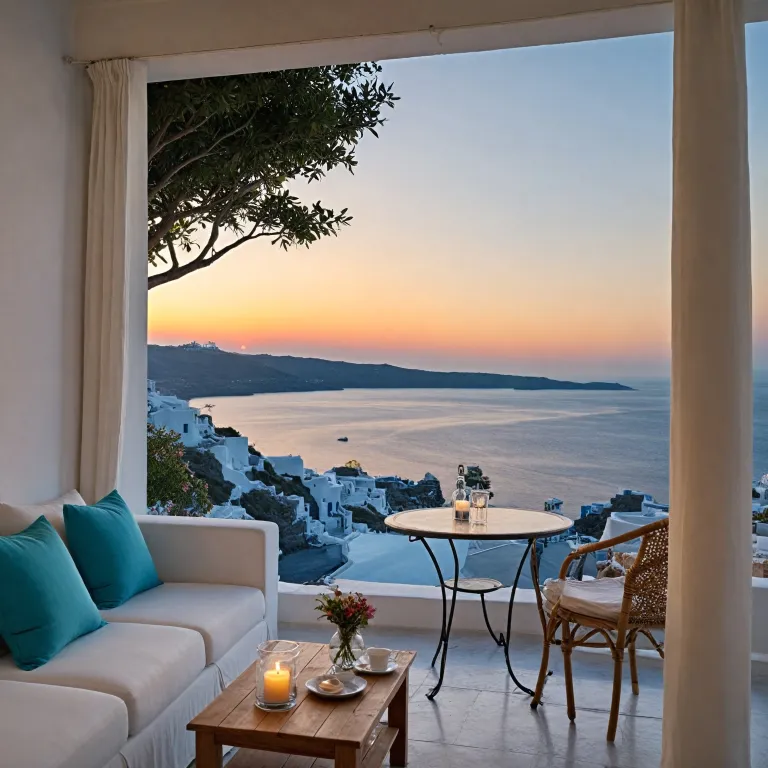
Balancing santorini and mykonos in one refined Cycladic journey
Planning a luxury escape that includes both Santorini and Mykonos requires more than simply choosing a beautiful Greek island. To shape a stay that feels effortless, you need to think about time, ferry logistics, and how each island’s character will complement your travel style. When you combine Santorini and Mykonos in one itinerary, you can enjoy contrasting atmospheres while still keeping transfers short and elegant.
Most travelers allocate between five and seven days for a combined island visit, but the ideal number of days depends on how slowly you prefer to travel. A balanced plan might dedicate three days to Santorini and two or three days to Mykonos, leaving a flexible day for Athens or another stop in Greece. This structure allows you to enjoy the main town in each destination without rushing between beaches, villages, and ports.
When you design your itinerary, remember that Santorini and Mykonos are part of a wider constellation of Greek islands, each with its own rhythm and level of crowds. Recent tourism data shows that both islands have seen fewer visitors, largely due to over tourism concerns and higher costs, which can actually create a more relaxed experience for discerning guests. By choosing your time to visit carefully, you can enjoy quieter streets in Santorini’s villages and a more measured pace in Mykonos town.
Luxury travelers often ask whether they should begin with Mykonos or Santorini, and the answer depends on the mood you want to set. Starting in Mykonos can create an energetic opening, with beach clubs and lively evenings, while ending in Santorini suits guests seeking reflective sunsets and slower days. Either way, a thoughtful guide and realistic expectations about ferry schedules will help your journey feel seamless.
Choosing the right time to visit and manage Cycladic crowds
For premium hotel guests, the time to visit Santorini and Mykonos is one of the most important decisions in the planning process. Peak season brings the largest crowds, the busiest beaches, and the highest room rates, which can undermine the sense of calm many travelers seek. Off peak months often provide softer light, gentler temperatures, and more attentive service from Greek hospitality teams.
Recent tourism statistics show that both Santorini and Mykonos have experienced a noticeable decline in visitor numbers, partly due to concerns about over tourism and rising costs. This shift has encouraged local stakeholders to focus on sustainable tourism and more curated experiences, which benefits travelers who value space and privacy. When you plan your itinerary, consider how fewer crowds might change the atmosphere in each town, from Mykonos town’s lanes to Oia Santorini’s terraces.
Weather, sea conditions, and daylight hours will also influence your choice of days on each island. Earlier and later in the season, the sea at paradise beach or red beach can feel cooler, but the quieter ambience often suits guests who prefer relaxed beach clubs and long lunches. A well designed guide to Cycladic seasons can help you match your expectations for beaches, Greek food, and nightlife with the reality on the ground.
Because luxury stays in Greece can vary widely in price, it is wise to understand premium hotel rates before you book. A detailed resource on understanding Cyclades luxury hotel prices will help you anticipate nightly costs and minimum stay requirements. With this knowledge, you can decide whether to allocate more time to Santorini, more days to Mykonos, or to another Greek island that offers a similar standard with fewer crowds.
Designing a refined itinerary between santorini and mykonos
A thoughtful itinerary for Santorini and Mykonos begins with how you enter and exit Greece, usually through Athens. Many travelers choose to fly into Athens, spend a day or two adjusting, then continue by ferry or plane to their first island. This approach reduces stress, allows time to enjoy Greek food in the capital, and creates a buffer in case of weather related ferry changes.
When you move between Santorini and Mykonos, the ferry remains the most atmospheric option, linking two iconic Greek islands in a few hours. High speed ferries shorten travel time but can be more sensitive to sea conditions, while conventional ferries offer more space and a calmer experience. Whichever you choose, booking premium seats can transform a simple transfer into a comfortable part of your island visit rather than a chore.
Within each island, you will need to decide whether to rent car services, rely on private transfers, or use local taxis. In Santorini, many luxury hotels sit on caldera cliffs rather than in the main town, so transfers to beaches like red beach or the black sand shores of Perissa require planning. In Mykonos, staying near Mykonos town or along the coast toward paradise beach makes it easier to reach beach clubs and restaurants without long drives.
To keep your days balanced, alternate between active exploration and slower moments in your stay. One Mykonos day might focus on a beach club and seaside lunch, while the next day in Santorini could center on walking from Fira to Oia Santorini for sunset. By structuring your time this way, you allow each island’s character to unfold naturally and avoid the fatigue that can come from trying to see every beach and town in a single trip.
Where to stay for premium comfort in santorini and mykonos
Choosing where to stay in Santorini and Mykonos is the most decisive factor in shaping a luxury experience. In Santorini, many high end properties line the caldera edge in towns such as Fira, Imerovigli, and Oia Santorini, offering private terraces and views over the Aegean. These locations are ideal if you value sunsets and privacy more than immediate beach access.
For guests who prioritize beaches, staying closer to the black sand shores of Kamari or Perissa can be more practical. From there, you can reach the red beach area by car or boat, while still returning to a calm base each day. In Mykonos, the choice often lies between staying in Mykonos town for easy dining access or near beaches such as paradise beach, where beach clubs and seaside lounges define the rhythm of the day.
Premium hotels on both islands increasingly emphasize sustainability, partly in response to the recent decline in mass tourism and the need to protect fragile landscapes. Many properties now manage water use carefully, support local Greek food producers, and encourage guests to explore lesser known parts of the islands. This shift aligns with a broader move across the Greek islands toward more responsible luxury and smaller scale experiences.
If you wish to extend your Cycladic journey beyond Santorini and Mykonos, consider adding a refined stay on another Greek island with a quieter profile. Naxos, for example, offers elegant coastal properties, and you can review options through curated resources such as elegant Naxos hotels on the beach for a refined Cycladic escape. Combining these islands allows you to enjoy both iconic views and more tranquil beaches within a single, well paced itinerary.
Beaches, towns, and daily rhythms on these iconic Greek islands
Understanding the daily rhythm of Santorini and Mykonos will help you choose how many days to allocate to each island. In Santorini, mornings are often quiet on the caldera, with guests lingering over breakfast before heading to a beach or exploring a main town. Afternoons bring more activity at beaches such as the black sand stretches or red beach, while evenings focus on sunset views and refined dining.
Mykonos follows a different pattern, especially around Mykonos town and the surrounding beaches. A typical Mykonos day might start late, with guests heading to paradise beach or another beach club after midday, then staying until sunset or later. The town’s lanes come alive in the evening, offering a mix of high end restaurants, bars, and shops that appeal to travelers who enjoy a vibrant atmosphere.
For guests who prefer quieter experiences, it is possible to enjoy Mykonos and Santorini without constant crowds. Visiting beaches earlier in the day, choosing less famous stretches of coast, and reserving tables in advance can all help. Many luxury hotels also provide private transfers, allowing you to move between town, beach, and property without the stress of finding taxis at busy times.
When planning your stay, remember that these islands are part of a broader Greek islands network, and you can adjust your itinerary if you find one place too busy. Some travelers choose to spend more time on a calmer Greek island after a few intense days in Mykonos or Santorini. This flexibility, supported by reliable ferry connections and the option to rent car services, ensures that your journey remains aligned with your preferred pace.
Practical considerations, safety, and long term value for luxury stays
Recent events have reminded travelers that even paradise like islands such as Santorini and Mykonos face natural and economic challenges. Earthquake activity, changing tourism patterns, and rising costs all influence how you should plan your stay and evaluate long term value. By staying informed through official channels and choosing flexible booking conditions, you can protect both your safety and your investment.
Authorities and tourism bodies emphasize that “Factors include over-tourism leading to overcrowding, high costs deterring budget travelers, and natural events such as earthquakes affecting visitor confidence.” For luxury guests, this context can translate into quieter hotels, more attentive service, and a renewed focus on quality over volume. It also highlights the importance of travel insurance, clear cancellation policies, and direct communication with your chosen property.
From a practical standpoint, consider how you will move between Athens, Santorini, and Mykonos, and whether you prefer ferry or flight connections. When you arrive on each island, decide in advance if you will rent car services or rely on private drivers, especially if your hotel sits away from the main town or beaches. This planning reduces last minute stress and allows you to focus on enjoying Greek food, coastal walks, and time by the pool.
Finally, remember that luxury in Greece is not limited to one or two islands, and you can always adjust future trips based on this experience. If you find Mykonos town too lively, you might next time favor a quieter Greek island while still including a short Mykonos day for shopping or a beach club visit. Treat this journey as part of a longer relationship with the Cyclades, where each island visit refines your understanding of what feels like your personal version of paradise.
Key tourism statistics for santorini and mykonos
- Santorini recorded a 23 % decrease in visitor arrivals in the most recent reported period.
- Mykonos experienced a 27 % reduction in overnight stays over the same timeframe.
- Santorini airport handled 2 418 219 passengers in the latest available annual data.
- Mykonos airport welcomed 1 581 742 passengers in the corresponding period.
Essential questions about planning luxury stays in santorini and mykonos
Why has tourism declined in Santorini and Mykonos ?
Tourism has declined in Santorini and Mykonos due to a combination of over tourism, rising costs, and concerns about natural events. Overcrowded streets, busy beaches, and premium pricing have encouraged some travelers to consider other Greek islands. At the same time, natural activity such as earthquakes has influenced visitor confidence, even though authorities closely monitor safety.
What are alternative destinations to Santorini and Mykonos ?
Travelers seeking a similar level of beauty with fewer crowds often look to other Greek islands such as Crete, Rhodes, or Naxos. These destinations offer historic towns, varied beaches, and excellent Greek food, often at more moderate prices. They can be combined with a shorter stay in Santorini or Mykonos to balance iconic views with a calmer atmosphere.
How can travelers ensure a safe visit to these islands ?
To ensure a safe visit, travelers should monitor official advisories, register with their national foreign affairs service if recommended, and choose accommodations with clear safety protocols. Booking flexible rates and comprehensive travel insurance adds another layer of protection in case of schedule changes. On the ground, following local guidance about weather, sea conditions, and any natural activity will help keep your stay both relaxed and secure.