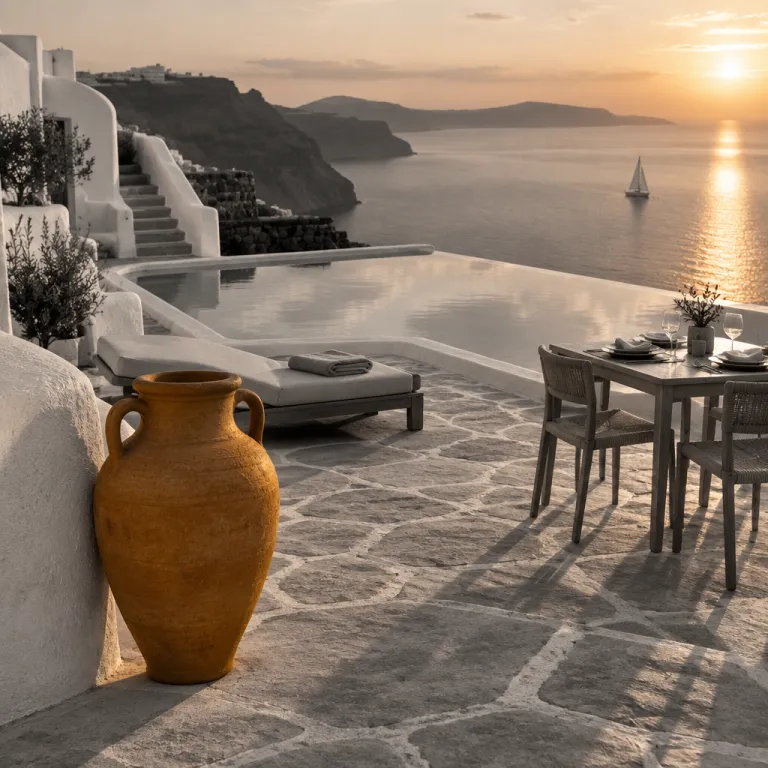
World Tourism Day and the new language of limits in the Cyclades
World Tourism Day lands in the Cyclades with a sharper edge. The conversation now turns on cyclades sustainable tourism capacity limits, not just on which infinity pool has the best caldera view. On the islands that shaped global tourism imagination, the question is simple ; how many people can an island host before the experience unravels.
On Santorini and Mykonos, tourism development has pushed bed capacity close to the carrying capacity of water, waste and narrow lanes. Luxury travelers feel it first when a sunset terrace becomes a viewing platform, or when coastal areas choke with transfers and tenders. The new language of sustainable tourism in Greece is technical — spatial planning, special spatial plans, policy documents — yet the impact is intimate, felt in every delayed transfer and overbooked bed.
Local authorities across the Cyclades islands are now working with the national framework tourism strategy to define clear capacity limits. That framework for tourism policy in development Greece circles around three ideas ; environmental protection, quality of stay and long term economic resilience. For high end guests, this shift will reshape where new beds appear, which island receives cruise calls and how spatial plans guide future hotel development.
For a luxury and premium booking website, this is not abstract planning language. It is the map of where genuine quiet, reliable energy supply and uncrowded coastal areas will still be possible in the Cyclades. Understanding cyclades sustainable tourism capacity limits lets you choose an island where the local community still has room to breathe, and where every bed feels like a privilege rather than a statistic.
What responsible luxury looks like when capacity becomes a design brief
On the ground, responsible luxury in the Cyclades now starts with scale. Smaller properties with fewer beds, higher service ratios and serious investment in renewable energy are no longer a niche gesture ; they are the only way to align with cyclades sustainable tourism capacity limits. The most interesting new openings treat capacity as a design brief, not a constraint.
On Milos, for example, the new generation of high end properties is built around water and energy resilience rather than spectacle. A property that invests in solar energy, grey water recycling and careful spatial planning can operate within strict carrying capacity rules while still delivering private pools and deep comfort. When you read that a hotel has a special spatial plan approved, it usually means the spatial plan has baked environmental protection and local community impact into every bed it adds.
For travelers booking through stay in cyclades style platforms, the smart filter is no longer only sea view and suite size. Ask how many beds the property runs, how it manages its bed capacity against local water supply and what renewable energy systems support your air conditioning. A hotel that can explain its role in sustainable development and local communities engagement will usually be the one that still feels calm in August.
One telling case study is the LEED Gold certified property on Milos, presented in detail in this review of a Cycladic hotel with 41 private pool suites. Here, tourism development is tied directly to environmental protection, with energy efficient systems and a clear framework for long term operations that respect island limits. For an executive traveler, this is where luxury, policy and planning finally align.
Shoulder season, spatial planning and the art of choosing your island
Autumn in the Cyclades is no longer just a pleasant secret. It has become a central tool in managing cyclades sustainable tourism capacity limits, easing pressure on infrastructure while extending the tourism term for local businesses. For you, that means warmer seas, easier restaurant reservations and a more attentive local community.
When you shift your stay to late September or October, you help spread tourism flows across time rather than only across islands. Local authorities can then plan energy use, water demand and transport more evenly, which strengthens sustainable development and reduces the need for emergency measures. In spatial planning terms, this seasonal spread is as important as any special spatial zoning on paper.
Island choice matters just as much as timing. While Santorini and Mykonos push against their carrying capacity, islands like Milos, Naxos, Tinos or Serifos still have room in their spatial plan and framework tourism strategies to welcome high value guests without straining local communities. Booking a luxury bed on these islands supports development Greece policies that reward quality over volume, and it keeps pressure off the most fragile coastal areas.
Marine protection is also entering the conversation, with proposals for new protected zones in the southern Cyclades islands. These initiatives, explored in this analysis of a future marine park in the southern Cyclades, show how tourism policy, environmental protection and luxury yachting routes are being rethought together. Choosing an island and season that align with these plans is not a sacrifice ; it is how you secure the quieter bays and clearer waters you actually came for.
How capacity limits will reshape luxury booking choices in the Cyclades
The next chapter of Cycladic luxury will be written in policy documents as much as in glossy brochures. Proposals to cap beds, reduce hotel density and even cut existing bed capacity by a set percentage are already on the table in several islands. For travelers using high end booking platforms, understanding cyclades sustainable tourism capacity limits becomes a practical advantage, not a theoretical concern.
Greece is moving toward a clearer framework for tourism development that links every new bed to carrying capacity studies, environmental impact and local community feedback. In practice, this means that some coastal areas will see strict limits on new construction, while inland villages and lesser known islands will be encouraged through targeted tourism policy. A well designed framework tourism strategy will push investment toward places where infrastructure, energy supply and spatial planning can genuinely support more visitors.
For you, this shift will change availability patterns, minimum stay rules and pricing across the Cyclades islands. Expect more emphasis on long term stays, with properties rewarding guests who come for a week rather than a weekend, because longer visits reduce transport emissions per person and support local communities more meaningfully. Booking early on islands with firm capacity caps will become essential, especially if you want specific room types or a particular bed configuration.
To follow these changes, keep an eye on in depth analyses such as this report on planned reductions in hotel beds across the Cyclades. These pieces translate spatial plans, special spatial frameworks and tourism policy documents into concrete implications for your next stay. The direction is clear ; in the Cyclades, genuine luxury will belong to those who respect limits, travel in dialogue with the local community and treat every island as a place to be cared for, not consumed.
FAQ
How will capacity limits affect booking a luxury hotel in the Cyclades ?
Capacity limits will gradually reduce the number of available beds on the most pressured islands, especially in dense coastal areas. This means fewer last minute options and a stronger need to book early, particularly for peak summer and for suites with private pools or specific views. On the positive side, these limits should improve the overall experience by easing crowding and protecting local infrastructure.
Which Cycladic islands are better for sustainable luxury stays ?
Islands such as Milos, Naxos, Tinos, Paros and Serifos currently balance strong hospitality standards with more manageable tourism volumes. Their spatial planning frameworks still allow thoughtful tourism development without breaching carrying capacity, especially outside the busiest weeks of summer. Choosing these islands supports local communities while often delivering a calmer, more authentic stay.
Is traveling in the shoulder season really better for the islands ?
Yes, autumn and late spring travel spreads tourism over a longer term, which reduces peak strain on water, waste and energy systems. Hotels, restaurants and transport providers can operate more smoothly, and local authorities can plan services with less emergency pressure. For travelers, this usually means better service, more space and a more relaxed local community.
What should I look for in a hotel to ensure it is genuinely sustainable ?
Look for clear information on renewable energy use, water management, waste reduction and engagement with local communities. Properties that reference national or local framework tourism guidelines, environmental certifications or participation in spatial planning consultations are usually more serious about sustainable development. Do not hesitate to ask how the hotel aligns with cyclades sustainable tourism capacity limits before you book.
Will luxury standards drop as stricter tourism policies come in ?
Current trends in development Greece suggest the opposite ; as volume is capped, many properties are moving upmarket to focus on quality over quantity. Investments are flowing into design, service and environmental protection measures that enhance the guest experience while respecting capacity limits. For discerning travelers, this convergence of luxury and sustainable tourism should raise standards rather than dilute them.
Sources
Ministry of Tourism of Greece ; Hellenic Statistical Authority ; European Environment Agency.