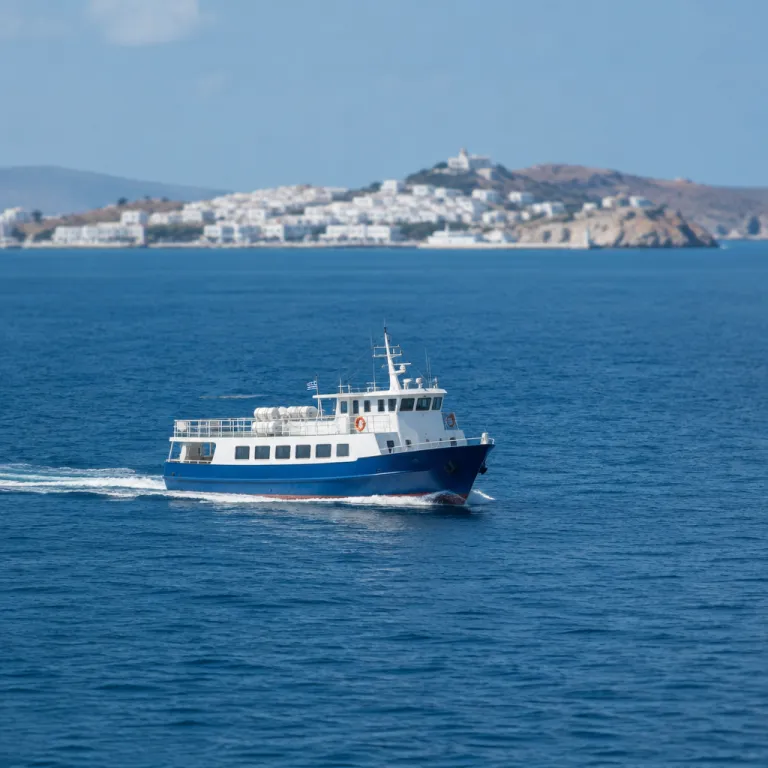
Reading the cyclades ferry schedule off season island hopping
Once the summer months fade, the Cyclades feel different from the deck of a ferry. The dense web of high speed connections that made island hopping effortless in July August contracts, and the cyclades ferry schedule off season island hopping suddenly becomes the backbone of every decision you make. For a solo traveler who wants to book refined hotels on more than one greek island, understanding this shift is the first real luxury.
High season brings layers of speed ferries, conventional ferries and catamarans linking greek islands in every direction. After the last high speed crossings stop around early November, the network leans heavily on larger conventional ferries that sail fewer ferry routes but handle rougher aegean sea conditions with calm authority. Operators withdraw high-speed routes after Nov 1, and conventional ferries run during winter months, with schedules thinning in October and small islands served less often.
That means your island hopping rhythm changes from spontaneous to strategic, especially if you want to pair quiet luxury hotels with reliable ferry connections. You start to think in terms of hub islands and longer hours at sea, not quick hops between tiny harbors on any given day. When you plan a trip this way, the ferry itself becomes part of the experience rather than a rushed transfer between beaches and suites.
From athens to the hubs: choosing your low-season gateways
Your off-season story usually begins in athens, and the choice between piraeus and the other mainland ports shapes the first chapter. Piraeus remains the primary departure point for ferries to the central Cyclades, while other ports may offer fewer popular routes once the high season ends. When you study any cyclades ferry schedule off season island hopping, you will notice that the most resilient ferry connections cluster around a handful of major islands.
Blue Star Ferries, often shortened to blue star, typically provides the year-round backbone, running conventional ferries that connect athens with key hubs such as Syros, Paros and Naxos. These ships are slower than high speed vessels, but they are more forgiving in autumn winds and give you time to settle into the trip, to read, to plan which hotel you will book next. Do any ferries run during Cyclades low season? Yes, conventional ferries run year-round to major islands.
For a solo explorer who values both comfort and control, it makes sense to book ferry tickets for these hub islands first, then layer your hotel reservations around them. When you aim for Paros Naxos as your initial base, you gain options for later hopping to quieter islands such as Ios, where you might choose elegant stays in hotels on Ios island that feel almost private in the softer light of autumn. The key is to book ferry segments that keep you close to strong routes, then let your accommodation choices refine the mood of each stop.
Designing an off-season island hopping route around hubs
Low-season island hopping in greece rewards travelers who think like air traffic controllers, not beach flâneurs. Instead of stringing together small islands on fragile ferry routes, you build a hub-and-spoke pattern around Paros, Naxos, Syros or sometimes Andros and Tinos. Route among Andros-Tinos-Mykonos year-round, and avoid small islands late Oct-Nov when the cyclades ferry schedule off season island hopping becomes more fragile.
In practice, that might mean sailing from piraeus to a central hub, spending a day or two in a harbor town hotel, then using shorter ferries to reach a more secluded island for your main stay. When you plan a trip like this, you can still find hidden beaches ferry accessible, but you always keep one eye on the return ferry tickets and the hours between connections. Book ferry segments with generous buffers, because autumn systems can cancel high speed crossings while conventional ferries still sail.
From a luxury perspective, this structure lets you pair a polished harbor property with a more intimate hideaway on a neighboring island. You might anchor your route in Paros Naxos, then add a side trip to Antiparos, where a refined travel guide to the island of Antiparos helps you match ferry times with discreet villas and suites. The art lies in choosing islands where ferry connections remain realistic, then letting your hotel choices express the quieter character of the aegean sea outside the summer months.
Weather, vessels and timing: managing risk with style
Autumn in the Cyclades brings a different kind of beauty, and a different kind of risk. Winds rise, seas roughen and the cyclades ferry schedule off season island hopping becomes a living document rather than a fixed promise. When you travel alone, the ability to adapt calmly is as valuable as any suite upgrade.
High speed catamarans are the first to be cancelled when the meltemi or autumn fronts build, while larger conventional ferries such as those run by blue star often still operate, albeit more slowly. That is why many seasoned travelers favor conventional ferries outside high season, accepting longer hours on board in exchange for a higher chance of sailing. When do fast ferries in the Cyclades stop for the season? November 1 marks end of fast-boat summer schedules.
Operationally, this means you should book ferry tickets with at least one buffer day before any non-movable commitment, such as a long-haul flight from athens. Check live ferry routes close to departure, and be ready to find an overnight hotel on a hub island if a route is cancelled. The upside is that these unscripted nights often lead to memorable stays, whether in a harbor-view suite on Naxos or in one of the elegant family villas in Mykonos for secluded Cycladic stays that feel almost rural once the crowds have gone.
Aligning luxury hotel bookings with off-season ferry reality
For a premium traveler, the real craft lies in synchronizing hotel reservations with the cyclades ferry schedule off season island hopping. You are not just trying to find a beautiful island; you are matching that island with ferry connections that actually run on the days you want to travel. This is where a little discipline in planning protects the sense of ease you expect from a luxury trip.
Start by mapping your desired islands against the most reliable ferry routes, focusing on hubs that maintain several routes even beyond the summer months. Then, book cancellable hotel rates that allow you to shift a night forward or back if a ferry is delayed, and keep your most ambitious island hopping segments away from tight international flight times. Many high-end properties in the greek islands understand this seasonal reality and will help you check ferry tickets or adjust transfers when weather intervenes.
Think of your trip as a sequence of well-chosen chapters rather than a frantic checklist of islands. A few nights on a larger greek island with strong ferry connections, followed by a longer stay on a quieter island, often delivers more pleasure than chasing every possible hop. In the low season, the luxury is not only in the thread count, but in the unhurried hours you gain when ferries, hotels and your own expectations are aligned.
FAQ
How does the Cyclades ferry network change after summer?
After the high season, many high speed ferries and some smaller routes stop operating, and the network contracts around major hubs such as Paros, Naxos, Syros, Andros, Tinos and Mykonos. Conventional ferries continue to connect these larger islands, but sailings are less frequent and often limited to specific days of the week. Travelers planning island hopping should expect fewer options and longer hours between connections.
Is island hopping still realistic in the low season?
Island hopping remains entirely possible, but it requires more planning and flexibility than in July August. You need to build your route around well-connected islands, allow buffer days for weather-related cancellations and favor conventional ferries over fast vessels. With this approach, you can still enjoy multiple islands while keeping your trip calm and controlled.
Which islands stay best connected in the off-season?
Major hubs such as Paros, Naxos, Syros, Andros, Tinos and Mykonos usually retain year-round ferry connections with piraeus and other islands. These hubs often serve as gateways to smaller islands when services operate, making them smart bases for low-season travel. Choosing hotels on these islands gives you more options if you need to adjust your route at short notice.
Should I book ferry tickets in advance for low-season travel?
Booking ferry tickets in advance is wise when sailings are limited to a few days per week, especially on less popular routes. Reserve key legs such as athens to your first island and your final return to piraeus, then keep some flexibility for intermediate hops. Always recheck schedules close to departure, as weather and operational changes can affect the cyclades ferry schedule off season island hopping.
Are conventional ferries better than fast ferries in autumn?
Conventional ferries are generally more stable and less prone to cancellation in rougher aegean sea conditions, making them a safer choice in autumn. They are slower than high speed vessels, but the extra time on board often feels like part of the journey rather than an inconvenience. For travelers connecting to international flights or important commitments, conventional ferries offer a more reliable foundation for planning.