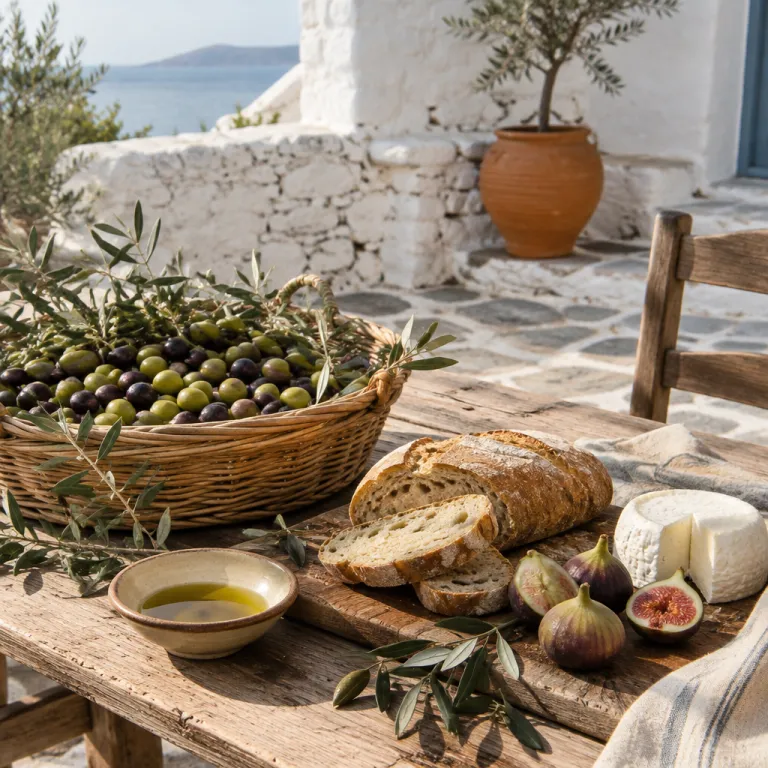
Why autumn name days change the rhythm of Cycladic island life
By the time the meltemi winds soften, the quieter autumn name days and village festivals quietly take over Cycladic life. The crowds have thinned across the Cyclades islands of Greece, and the remaining visitors step into a season shaped by faith, harvest and habit rather than by ferry timetables. On each island, the calendar of saint feast days continues long after summer festivals fade, turning ordinary days into evenings of incense, slow meals and shared wine.
Locals treat a name day as a communal obligation, not an event staged for visitors or for a single family. A name day in the Cyclades is the day when the village celebrates its patron saint with church service, meals and dancing, and these autumn feast days often feel more intimate than the louder summer festival nights. On Naxos, for example, the feast of Agios Dimitrios on 26 October brings together farmers from the interior villages, while on Sifnos the November celebration of Taxiarches (8 November) fills the courtyards of hilltop chapels. When a celebration takes place in September or November, the people at the tables are mostly Greeks from the island itself, with a few guests from Athens who return home for the season.
For a solo traveler planning a vacation in Greece, this is where a well connected luxury hotel becomes essential. Managers who grew up on the island read the Orthodox calendar as easily as a ferry schedule, and they know which autumn religious festivals and name days remain genuinely local. One concierge on Paros described it simply: “If I would take my own mother there, I will take you,” before circling two chapels on a paper map and noting the time of the evening vigil so guests could arrive without intruding on private moments.
These autumn gatherings are anchored in Greek Orthodox practice, yet they are lived as everyday island life rather than as staged cultural events. The liturgy often starts before dawn or at least early in the day, and the meal that follows may stretch into the afternoon with music, wine and stories about previous years. On islands like Paros and Amorgos, villagers still prepare large cauldrons of chickpea stew or goat for these occasions, echoing customs described by the Hellenic Ministry of Culture and Sports in its notes on local feasts and panigyria. For the traveler, the key is to understand that the festival is not a show but an expression of Greek culture and heritage, and that respectful presence matters more than photographs.
From holy week to autumn saints: how the calendar really works
Most travelers first meet Greek traditions during Greek Easter, when fireworks crack over harbors and the midnight light of Holy Week fills churches across the Greek islands. By autumn, the same Greek Orthodox calendar still shapes daily life in the Cyclades, but the focus shifts from Easter Sunday crowds to quieter name days and local feast days. The autumn cycle of Cycladic festivals and saints’ days sits in this second half of the year, after the August full moon and after the last big summer festival has emptied the village square.
On islands like Tinos, where devotion to the Virgin Mary draws pilgrims throughout the year, the autumn saints offer a different tempo. The Greek National Tourism Organization notes that more than a million pilgrims visit Tinos annually, yet by October the atmosphere is calmer and more local. Services may be shorter, the congregation smaller, yet the sense of heritage is no less intense, and the traditional food served afterwards often reflects what the fields and sea can still give at this time. Some celebrations cluster around late September and October, such as the feast of Agia Thekla on Paros (24 September) or Agios Ioannis Theologos in small chapels above beaches on 26 September, echoing the way carnival and the February–March period frame the pre Easter season in Athens and elsewhere in Greece.
Luxury properties that understand Greek culture will often keep a printed calendar of local cultural events at reception. Staff can help you read which festival takes place in which chapel, and whether the focus is on a village name day, a harvest blessing or a more formal religious festival. They may also suggest pairing an evening feast with a daytime visit to small art exhibitions or a walk through terraced olive groves, turning a single day into a layered experience.
Travelers who know the famous Epidaurus Festival or the big Athens performances sometimes expect similar scale in the islands, but autumn in the Cyclades works differently. Here, the stage is a courtyard or a church terrace, and the program is a liturgy followed by food and music rather than a ticketed show. If you are planning a vacation in Greece around this quieter season, consider combining a few nights in Athens with a longer stay on one island, using guides such as this wine focused overview of Santorini’s volcanic vineyards to balance feast days with vineyard visits.
Olive harvest gatherings: where work, oil and hospitality meet
While the churches mark autumn saints’ days and village name day feasts, the olive groves set their own parallel calendar. Usually from mid September to November depending on variety and altitude, families and olive growers move through the terraces with nets, crates and practiced rhythm. According to figures shared by regional cooperatives on islands such as Naxos and Andros, even small Cycladic communities can produce tens of tons of oil each year, and neighbourhoods share picking duties then gather to press olives and feast together, turning agricultural work into a social anchor for island life.
For the solo explorer staying in a premium hotel, this is where curated cultural excursions matter. Some properties now arrange harvest stays that bring visitors to the groves for a morning of picking, followed by a simple traditional meal cooked over open flame and served with the first oil of the year. On Andros or Syros, for instance, guests might help fill the last crates before joining families at a cooperative press. Earlier harvests due to rising temperatures mean that the exact days shift, but the pattern remains, and the best hosts will tell you honestly when the work really takes place rather than promising a festival that is already over.
Practical details count here, even in a luxury context. Wear sturdy shoes to groves, accept that your hands will be stained, and understand that the people beside you are not performers but neighbours working their land. One traveler recalled standing in a small press on Syros, watching the first stream of cloudy green oil run into a metal drum while a violin and lute played in the corner, and realising that the most memorable cultural events of a vacation in Greece can be these unadvertised evenings rather than any scheduled show.
Some islands combine harvest gatherings with small food markets or informal art exhibitions in village halls. A few destinations, such as the quieter corners of Ios highlighted in this piece on the island’s reinvention, now use these autumn days to reposition themselves away from pure summer party reputations. For luxury travelers, the value lies not in spectacle but in access, and the right hotel can introduce you to olive press cooperatives or families who still treat the harvest as the centre of their year.
How luxury hotels open the right doors to autumn feasts
Choosing a hotel in the Cyclades for autumn is less about the infinity pool and more about the relationships behind the front desk. Properties with deep local roots maintain close ties with villagers, ktitores who care for churches, and olive growers who host harvest gatherings. These teams understand that Cycladic autumn festivals and religious name days are first for the community, and that visitors are welcomed when they arrive through an invitation rather than by chance.
When you speak with a concierge, ask specifically about name day feasts, olive harvest activities and any traditional festival that takes place during your stay. The most reliable answers come from staff who grew up on the island or who return every year for Greek Easter, Holy Week and the major summer feast days, because they see the full cycle rather than a single season. They can also advise on etiquette at a village table, from how to greet elders to when it is appropriate to take photographs.
Food is the most tangible way to feel this season, and many high end kitchens now align their menus with what happens in the groves and squares. Expect slow cooked goat or lamb, late tomatoes, wild greens and new oil, often paired with local wine rather than international labels. On Santorini, for example, chefs might pair assyrtiko with caper leaves and fava, while on Milos you may find pitarakia cheese pies on the autumn table. For a deeper sense of how the autumn table reflects Greek culture, this guide to what Cycladic kitchens cook once the summer menus retire offers a useful companion to any feast.
As you plan, remember that the full moon, the August moon and even the memory of carnival still echo through conversations about the year, because Greeks read time through both liturgical and agricultural markers. The autumn cycle of Cycladic festivals and saints’ name days sits in that weave, linking the Virgin Mary, local saints, olive trees and the sea into a single lived heritage. For the solo traveler, the reward is a season where luxury means being trusted at the table, not just upgraded at check in.
FAQ
What is a name day in the Cyclades and how is it celebrated ?
A name day in the Cyclades is tied to the feast of a saint, and many villages share the same patron. On that day, the community gathers for a church service, then moves to a communal meal with music, wine and dancing in the square or a courtyard. On islands such as Naxos or Tinos, these celebrations can draw dozens of relatives from nearby villages, and for travelers it is the most direct way to experience Greek culture and heritage in everyday island life.
When does the olive harvest usually start in the Cyclades ?
The olive harvest in the Cyclades usually begins from mid September and can run into November, depending on altitude and olive variety. Earlier harvests are becoming more common as temperatures rise, so exact dates vary from year to year. Luxury hotels with strong local ties can tell you precisely when picking and pressing take place during your stay.
How can a traveler join autumn festivals and harvest gatherings respectfully ?
The most respectful way to join Cycladic autumn festivals, saints’ days or harvest gatherings is through an introduction from your hotel or a local host. Arrive modestly dressed, especially for church services, and follow the lead of villagers at the table. Offer to contribute in small ways, such as helping carry dishes or joining the line at the olive press, rather than treating the event as a performance.
Are autumn festivals suitable for solo travelers staying in luxury hotels ?
Autumn festivals and olive harvest gatherings are particularly welcoming for solo travelers, because the focus is on shared tables rather than private groups. Luxury and premium hotels often arrange small scale cultural excursions, pairing guests with villagers or olive growers they know personally. This creates a setting where a solo visitor is treated as a guest of the community, not as an outsider.
How do autumn feasts differ from Greek Easter and summer festivals ?
Greek Easter, Holy Week and the summer festivals draw large crowds from Athens and other parts of Greece, with fireworks, processions and late night celebrations. Autumn feasts are smaller, more local and often centred on name days or the olive harvest, with fewer visitors and a stronger sense of routine. For many travelers, this quieter season offers a more authentic view of how Greeks live their faith and manage the agricultural year.
Sources
Hellenic Ministry of Culture and Sports (local feasts and panigyria) ; Greek National Tourism Organization (pilgrimage figures for Tinos) ; Greek Orthodox Archdiocese of America (liturgical calendar and major saints’ days).