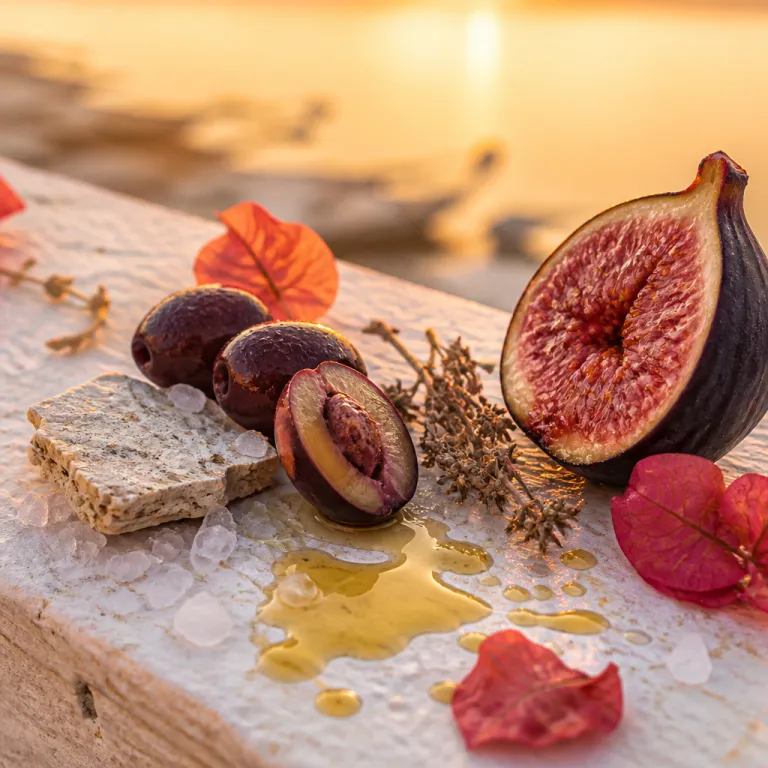
Section 1 – A refined pipeline to your next Cycladic stay
Planning a luxury escape in the Cyclades starts with a clear vision. Creating a refined pipeline to your next Cycladic stay means aligning your hotel booking choices with how you actually want to live each day. From the first search to the final confirmation, every step should feel calm, informed, and intentional.
When travellers talk about a refined pipeline to your next Cycladic stay, they usually mean a seamless path from inspiration to reservation, without friction or guesswork. On a premium booking website focused on the Cyclades, this smooth journey translates into curated hotel selections, transparent room descriptions, and culinary details that match your expectations before you even arrive. That clarity is essential when you are choosing between a cliffside suite in Santorini, a beachfront retreat in Naxos, or a design forward property in Paros, especially when you are comparing well known luxury addresses and emerging boutique hotels side by side.
Luxury and premium hotels across the Cyclades now highlight gastronomy as a central part of the booking journey. Guests no longer treat dinner as an afterthought; they want to know which chef leads the kitchen, which local farms supply the produce, and how menus adapt to dietary needs. A serious booking platform reflects this shift by placing culinary journeys alongside room types, spa facilities, and transfer options, turning the reservation process into the first chapter of your stay. High quality images with descriptive alt text, downloadable sample menus, and concise chef biographies all help you understand the culinary identity of each property before you commit.
Section 2 – Reading menus before you book: Cycladic flavours as a decision tool
For many travellers, the first emotional connection with a hotel happens through its food. Before committing to a stay, they scroll through breakfast photos, sample menus, and wine lists, trying to imagine that first morning on the terrace. This is where a luxury focused booking website can quietly guide better decisions by making menus and culinary stories easy to compare, ideally with clear labels, seasonal notes, and downloadable PDFs that mirror what you will actually see on the table.
When you compare properties, pay close attention to how they present their Cycladic breakfast and regional dishes. A hotel that proudly details its bakery fresh koulouri, estate olive oil, and seasonal fruit is signalling a deeper respect for local produce and tradition, which often reflects broader service standards. To go further, consult in depth features such as a Cycladic breakfast table guide that decodes what each element on the table reveals about the property behind it.
On a refined booking interface, you should be able to filter hotels by culinary focus, whether you prioritise plant based menus, seafood driven cuisine, or wine pairings from Cycladic vineyards. Shortlisting hotels this way ensures that your mornings and evenings feel coherent with the rest of your stay, rather than improvised. It also helps you avoid the common disappointment of arriving at a beautiful property whose dining options feel generic or disconnected from the islands, a risk that increases when menus are vague, outdated, or copied from international templates rather than rooted in local flavours.
Section 3 – From farm to table: how Cycladic kitchens shape your stay
Across the Cyclades, chefs are redefining what it means to eat well on holiday. Many luxury hotels now work directly with small producers on islands such as Tinos, Syros, and Milos, turning the dining room into a quiet showcase of regional agriculture. This farm to table approach has become a decisive factor for travellers who care about provenance, sustainability, and a sense of place on the plate, and it increasingly appears in chef led concepts and tasting menus across the archipelago.
When evaluating hotels on a premium booking website, look for specific references to local cheeses, heritage tomatoes, capers, and wild herbs. Properties that name their suppliers and explain their sourcing philosophy usually offer more thoughtful menus, and they often collaborate with visiting chefs for seasonal events that can transform a simple dinner into a highlight of your trip. For a deeper sense of the current culinary landscape, consult editorial resources like a feature on how Cycladic kitchens are rewriting the rules and then cross reference those chefs and tables with the hotels you are considering.
Some luxury properties now integrate cooking classes, vineyard visits, and foraging walks into their stay packages. When these experiences are clearly described at the booking stage, you can align your reservation dates with specific culinary events, rather than hoping to find availability on arrival. This level of planning turns your hotel into a base for exploration, not just a place to sleep, and allows you to weave producer visits, wine tastings, and market tours into a coherent itinerary that reflects your interests.
Section 4 – Matching island character with culinary style
Each Cycladic island has a distinct personality, and its food culture reflects that identity. Choosing the right luxury hotel therefore means matching island character with the culinary style you enjoy most. A thoughtful booking website helps by framing hotels not only by star rating, but also by the flavour profile of their kitchens and the rhythm of their dining rooms, using concise descriptions that highlight whether a property feels intimate, celebratory, or quietly restorative.
Santorini, with its volcanic soil and dramatic caldera views, lends itself to tasting menus built around tomatoes, fava, and structured wines. Mykonos often leans toward vibrant, social dining with late evening service, raw bars, and international influences, while islands like Sifnos and Tinos emphasise slow cooked stews, chickpea dishes, and monastic recipes. When a booking platform explains these nuances clearly, you can decide whether you want refined, wine led dinners, relaxed seaside tavern style meals, or something in between, and you can match that choice with the pace of your days, from sunrise swims to late night walks through village lanes.
Look for hotel descriptions that mention collaborations with local tavernas, access to traditional bakeries, or private transfers to notable restaurants. Some premium properties position themselves as gateways to the island’s wider food scene, curating reservations at sought after tables and arranging tastings at small wineries. Editorial content such as a feature on how a new generation of properties is turning galleries and studios into guest experiences, accessible through a Cycladic art hotel guide, can also hint at hotels where culinary and cultural programming are thoughtfully intertwined.
Section 5 – Using booking tools to personalise your culinary journey
Modern luxury booking platforms for the Cyclades increasingly behave like trip designers rather than simple reservation engines. They allow you to personalise your culinary journey before you even share your credit card details. This shift benefits travellers who want clarity and control without spending hours on separate restaurant research or scattered recommendations, and it rewards properties that present their food and beverage concepts with precision.
When you browse, prioritise websites that let you filter hotels by half board, full board, or room only options, while still showing the quality of each dining concept. Some platforms now integrate sample menus, chef profiles, and even reservation widgets for on site restaurants, so you can secure a table for your first night at the same time as your room. This integrated approach reduces uncertainty and ensures that your arrival feels orchestrated, not improvised, with breakfast times, bar hours, and signature dishes already mapped out in your mind.
Pay attention to how clearly the platform communicates dietary flexibility, children’s menus, and room service hours. For families or guests with specific needs, these details can matter as much as pool size or spa facilities. A refined pipeline to your next Cycladic stay should make these parameters visible and easy to compare, so you can align your culinary expectations with the rhythm of your days on the islands. Structured information, such as icons, comparison tables, and concise FAQ sections, can make this evaluation process faster and more reliable.
Section 6 – Practical tips for evaluating culinary quality before you arrive
Evaluating culinary quality from a distance requires a mix of curiosity and method. Start by reading recent guest reviews that mention breakfast variety, service timing, and the atmosphere of the main restaurant. Consistent praise for attentive staff, well balanced menus, and thoughtful wine suggestions usually signals a reliable experience, especially when comments span multiple seasons rather than a single week.
Next, examine the photos and descriptions of dining spaces on the booking website. Look for images that show table spacing, natural light, and how indoor and outdoor areas connect, because these elements shape how relaxed your meals will feel during a longer stay. If the property offers multiple venues, such as a poolside bar, a fine dining room, and a casual terrace, check whether the platform explains which outlets operate each season and how they differ in style. Alt text and captions that describe the setting, not just the view, can also help you imagine how you will actually use each space.
Finally, consider how the hotel’s culinary offer fits with your wider itinerary across the Cyclades. If you plan to explore local tavernas most evenings, a property with an exceptional breakfast and light lunch options may be enough, while a more secluded island retreat might require a stronger on site restaurant to avoid repetitive choices. Using the booking tools with this mindset turns your search into a curated process, aligning your appetite with the landscapes, villages, and shorelines you are coming to experience, and helping you balance indulgent meals with days spent hiking, sailing, or simply reading by the pool.
Key figures shaping luxury and premium stays in the Cyclades
- Regional tourism data for the South Aegean, which includes the Cyclades, points to tens of millions of overnight stays annually, underlining the importance of reliable booking platforms for planning and for presenting hotels and restaurants accurately to food focused travellers.
- Industry reports suggest that a growing share of high spending visitors to the Cyclades now cite gastronomy as a primary motivation for choosing their accommodation, a trend that has strengthened over the past decade and is reflected in the rise of chef driven hotel restaurants and curated tasting menus.
- Research from global travel bodies indicates that travellers who prioritise food experiences are often willing to spend noticeably more on accommodation when hotels highlight local sourcing and chef led concepts clearly at the booking stage, especially when menus and wine lists are easy to access and compare online.
- European travel surveys show that online reviews mentioning breakfast quality tend to correlate strongly with overall satisfaction scores, frequently nudging a hotel’s rating upwards on major platforms and influencing how premium Cycladic properties position their culinary offerings.
FAQ – Luxury and premium hotel booking in the Cyclades for food focused travellers
How early should I book a luxury hotel in the Cyclades for a culinary focused trip ?
For peak summer months, secure your preferred hotel and key restaurant reservations at least three to six months in advance. This is especially important on smaller islands with limited high end inventory and very popular dining rooms. Shoulder seasons offer more flexibility, but planning ahead still helps align room types with specific culinary events.
Which Cycladic islands are best for travellers who prioritise gastronomy ?
Tinos, Sifnos, and Santorini are often highlighted for their strong food cultures and growing communities of chefs and producers. Mykonos offers a wide range of high energy, international dining, while islands like Naxos and Paros balance traditional tavernas with emerging contemporary kitchens. The best choice depends on whether you prefer quiet, ingredient driven meals or a more social, nightlife oriented scene.
What should I look for on a booking website to judge a hotel’s culinary quality ?
Focus on detailed descriptions of breakfast, sourcing information, chef profiles, and clear photos of dining spaces. Look for mentions of local ingredients, partnerships with nearby farms or wineries, and flexibility for dietary requirements. Guest reviews that consistently praise both food and service are another strong indicator of quality.
Are half board or full board options worthwhile in Cycladic luxury hotels ?
Half board can be good value if the hotel’s main restaurant is strong and you plan to spend many evenings on property. However, travellers who want to explore village tavernas and beachside spots may prefer bed and breakfast to keep evenings flexible. Full board usually suits more remote resorts where external dining options are limited.
How can I combine fine dining with authentic local experiences during my stay ?
Use your hotel’s concierge and the booking platform’s editorial content to map a balanced itinerary. Alternate tasting menus at acclaimed hotel restaurants with lunches in family run tavernas and visits to small wineries or farms. This mix allows you to enjoy polished service while still connecting with everyday Cycladic food culture.