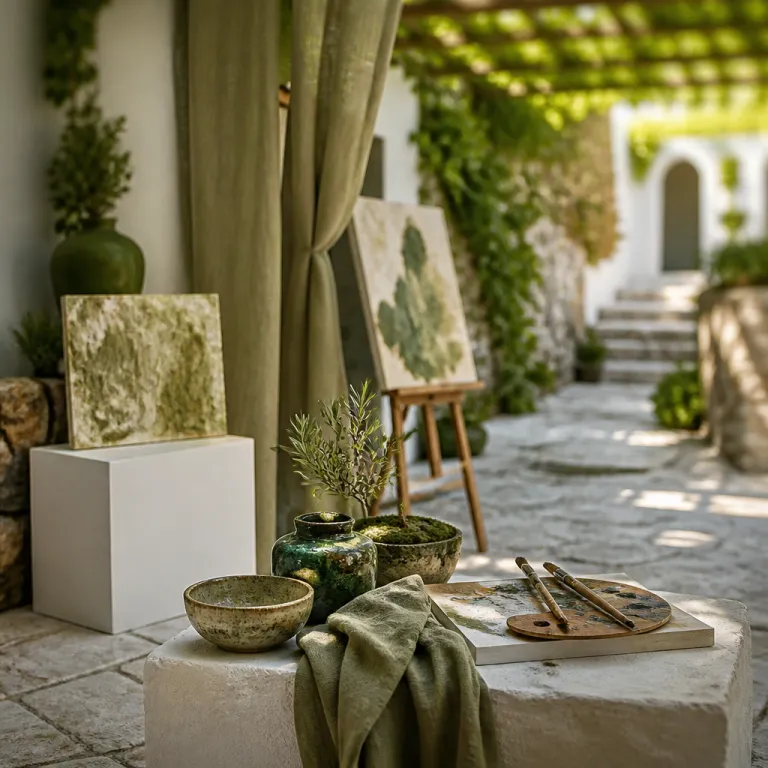
Cycladic art hotels, galleries and design as a new kind of stay
The phrase “cyclades art hotels galleries design” now signals a very specific promise. It means a stay on a Cycladic island where the hotel treats art, galleries and design as core services, not decorative extras. On a quiet Cycladic island in the central Aegean Sea, your suite can feel closer to a private museum than to a standard hotel room.
Across the Greek Cyclades, from Santorini to Syros and the quieter duo of Naxos and Amorgos, a new generation of properties is rewriting what luxury hospitality looks like. These design hotels curate Cycladic art, commission contemporary work and use the characteristic Cycladic architecture itself as the first gallery wall. The result is that Cycladic islands now attract a business-leisure crowd who expect strong Wi‑Fi and strong culture in the same stay.
On stay-in-cyclades.com we track how these hotels integrate Cycladic heritage into every layer of the guest journey. A Cycladic art hotel might greet you with a marble sculpture in the lobby, then lead you through a stone stairway carved into the rock towards a cave-like spa. As one Syros-based curator described it in a 2023 interview, “the building becomes your first exhibit, and every corridor is a new room in the show.” By the time you reach your suite, the line between museum-grade Cycladic references and contemporary design has blurred into a coherent narrative.
From ancient marble figurines to contemporary cycladic art programming
The story starts with early Cycladic culture, whose marble figurines now anchor major collections in museums such as the Museum of Cycladic Art in Athens and the National Archaeological Museum. These abstract forms, often with a tilted head and folded arms, shaped the global understanding of Cycladic art as minimal, enigmatic and deeply modern. When a Cycladic art hotel references these pieces, it is tapping into an ancient design language that still feels current.
On a Greek island like Tinos or a larger Cycladic destination such as Naxos, marble is not an imported luxury but a local stone with economic and cultural weight. The natural wealth of these islands includes quarries where early Cycladic artisans carved idols that once travelled across the eastern Mediterranean, as documented in archaeological surveys and museum catalogues. Today, a hotel might commission a local sculptor to reinterpret a Venus-like figure in rough rock, placing it in a courtyard where guests pass it several times a day.
In Athens, the Museum of Cycladic Art has set the benchmark for how to present this heritage, and its influence reaches deep into the Cyclades. Its long-running “Cycladic Society” displays, for example, show how everyday tools, marble idols and ceramics can be read together as a visual system. A museum-style display in a lobby, with carefully lit fragments of stone and ceramics, can feel more authentic than a generic painting above the bed. For many travelers, especially executives short on time, this kind of curated exhibition inside the hotel removes the need to plan a separate museum visit and turns the property into a compact cultural hub.
Hotels as galleries and studios: from passive viewing to active engagement
Across the Cyclades, the most interesting design hotels now operate as living galleries and working studios. A property like Aristide Hotel on Syros, for example, runs its own art gallery where rotating exhibitions share space with a refined bar and terrace. In Mykonos, the Myconian Collection has been steadily integrating art into public areas, turning corridors into curated routes rather than simple ways to move between elevator and room.
According to regional tourism reports from the South Aegean authorities and industry press, the number of art-integrated hotels in the Cyclades has grown steadily over the past decade, reflecting a clear shift in guest expectations. The South Aegean Region’s cultural tourism updates for 2018–2023, for instance, highlight rising demand for gallery visits, festivals and design-led stays on islands such as Mykonos, Syros and Santorini. This aligns with a documented rise in cultural tourism across the Greek islands, driven partly by travelers who want Cycladic art experiences without committing to a formal tour. Many of these hotels now host artist residencies, where a group of painters, photographers or sculptors work on site and invite guests into their process.
What changes the stay is the move from passive viewing to active engagement with culture. Instead of only seeing a framed photo of the Aegean Sea above the bed, you might join a small workshop where a photographer explains how to capture the light on a Cycladic headland at dusk. Some hotels arrange intimate talks in a cave-like wine cellar, where an artist discusses how ancient stone tools or early Cycladic idols inform their current design practice and how guests can read those references in the building around them.
Architecture as the first artwork in cyclades art hotels galleries design
Before a guest notices any painting or sculpture, they read the building itself as art. Characteristic Cycladic architecture, with its whitewashed walls, rounded corners and careful handling of rock and stone, has become a global design reference. On a Cycladic island, the best properties use this language with precision rather than pastiche, letting the play of light on marble thresholds and narrow alleys feel like a daily exhibition.
In Santorini, Muses Cycladic Suites in Oia shows how a small hotel can weave design and landscape into a single composition. Suites open onto terraces that frame the Aegean Sea like a horizontal photo, while interiors keep lines clean so that a single sculptural lamp or carved stone basin carries the visual weight. On Santorini, where many hotels compete for the same caldera view, this restraint in design becomes a differentiator for travelers who care about Cycladic art references more than about the size of the infinity pool.
Elsewhere in the Cyclades, especially on quieter spots like Syros or the Naxos–Amorgos ferry corridor, architecture often becomes the main cultural encounter. A guest walking through a vaulted passage that once served as a storage cave experiences the continuity between ancient domestic spaces and contemporary hospitality. For business travelers extending a stay, this architectural immersion delivers culture in every transition between meeting, terrace and room.
Why art driven hotels suit the business leisure traveler
For executives who turn a meeting on a Greek island into a long weekend, time is the rarest currency. An art-driven hotel in the Cyclades offers dense culture without demanding a packed itinerary across multiple islands. You can move from a video call to a private viewing of a new exhibition in less than five minutes, still wearing the same linen shirt.
Many of these properties understand that a business-leisure guest values both stimulation and calm. Quiet corners of a gallery, a shaded terrace facing a Cycladic horizon or a small library of catalogues from the Museum of Cycladic Art become informal workspaces. When the day ends, a short walk through the hotel’s own collection can reset the head more effectively than a rushed taxi ride to a distant museum.
This is also where wellness and culture intersect in a way that feels specific to the eastern Mediterranean. A guest who has already explored how to plan a Cycladic wellness retreat from Kea to Santorini can layer an art program on top, choosing a hotel where marble sculptures line the spa corridor and stone textures echo the surrounding cliffs. The experience feels curated rather than crowded, with art, design and the natural wealth of the Aegean Sea working together instead of competing for attention.
Practical guidance for choosing a Cycladic art hotel
When you evaluate cyclades art hotels galleries design options, start with the seriousness of the art program. Ask whether the hotel hosts regular exhibitions, collaborates with local artists or maintains a permanent collection that reflects Cycladic art rather than generic coastal themes. A property that can name its partners and explain its curatorial approach usually offers deeper engagement with culture.
Location across the Cyclades also shapes the experience. A hotel on Santorini might focus on photography and light, using the caldera as a natural backdrop for every photo and sculpture. On Syros, where Aristide Hotel anchors a growing creative scene, programming may lean towards contemporary painting and installations that respond to neoclassical streets rather than to volcanic rock.
Finally, treat the hotel’s policies and communication as part of its design literacy. Clear information about the privacy policy, artist residencies and access to events signals a professional operation that respects both guests and creators. If you travel as a group, check whether the hotel can arrange private tours of its collection or visits to nearby studios, turning a simple stay on a Cycladic island into a compact, high-impact cultural retreat.
FAQ
What is a Cycladic art hotel ?
A Cycladic art hotel is a property that integrates Cycladic art into its design, architecture and guest programming. It goes beyond hanging a few paintings, often working with local artists, hosting exhibitions and referencing early Cycladic forms in materials like marble and stone. The aim is to make culture a daily part of the stay rather than an optional excursion.
Which Cycladic islands have notable art focused hotels ?
Art-focused hotels currently cluster on Mykonos, Syros and Santorini, with additional properties spread across other Cycladic islands. The Myconian Collection in Mykonos, Aristide Hotel in Syros and Muses Cycladic Suites in Oia are often cited in travel media as reference points. As cultural tourism grows across the Cyclades, more design hotels are adopting similar models.
Do these hotels usually offer workshops or artist residencies ?
Many Cycladic art hotels now host workshops, talks and short artist residencies as part of their cultural programming. Guests might join a photography walk, a marble carving demonstration or a discussion about early Cycladic sculpture and its influence on contemporary design. These activities turn the hotel into a hybrid between accommodation, gallery and informal school.
How should I evaluate the quality of a hotel’s art program ?
Look for clear information about past and current exhibitions, named artists and partnerships with local cultural organizations. A serious program will usually feature rotating shows, curated collections and events that connect guests with the wider culture of the Cycladic island where they are staying. If details are vague, the art may be more marketing than meaningful experience.
Is an art driven hotel suitable for a short business trip extension ?
For business-leisure travelers, an art-driven hotel can be ideal because it concentrates culture on site. You can experience Cycladic art, thoughtful design and curated exhibitions without leaving the property, which suits tight schedules. This model delivers a sense of the Greek Cyclades’ creative life even when you only have one or two free evenings.