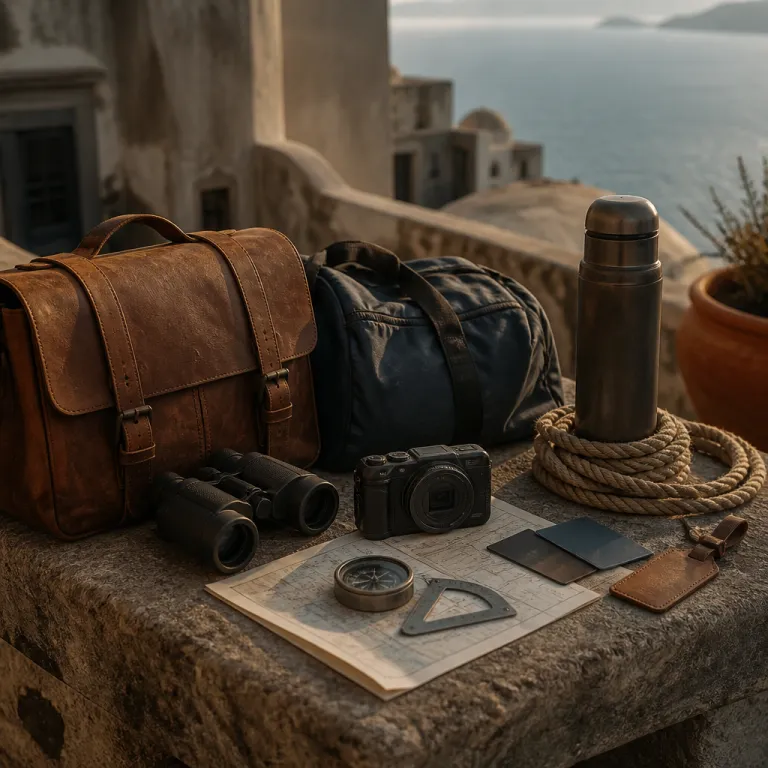
How to define the best area in Greece to visit for luxury stays
Choosing the best area in Greece to visit for a luxury stay starts with understanding how varied the country really is. Greece stretches from rugged mainland Greece and its ancient sites to more than 6 000 islands and islets scattered across the Aegean Sea and the Ionian Sea. According to the Hellenic Navy Hydrographic Service and figures popularised by National Geographic, only around 200 of these are inhabited, so the right choice depends on how you like to travel. When you focus on premium hotels and refined service, the Cyclades quickly emerge as one of the most compelling Greek destinations for a first or repeat visit.
Many travellers begin in Athens, using the capital as a cultural prologue before flying or sailing to a Greek island in the Cyclades. Athens offers access to world class museums, the Acropolis and easy connections to other major cities, yet most luxury guests keep their time here short to maximise days by the sea. From the port of Piraeus, high speed ferries fan out across the Aegean, turning island hopping into a smooth extension of your city stay. Typical crossings, based on current timetables from major operators such as Blue Star Ferries and SeaJets, take around 2.5 to 4 hours to Mykonos, 5 to 6 hours to Santorini and about 3.5 to 5 hours to Naxos or Paros, depending on the vessel and route.
When you compare regions, the Cyclades stand out against Crete, Corfu and the Ionian islands for their iconic whitewashed villages and minimalist architecture. Crete is the largest Greek island and ideal for road trips, while Corfu and the wider Ionian region feel greener and more Italianate, but the Cyclades deliver that archetypal Greek islands image that many guests imagine when they picture turquoise waters and sugar cube houses. For travellers focused on luxury hotels, refined dining and easy access to sandy beaches, the central Cyclades cluster is often the most appealing part of Greece to visit for an upscale escape.
Mykonos and Santorini versus quieter Cyclades for premium hotels
When travellers ask about the best area in Greece to visit for five star hotels, Mykonos and Santorini usually come first. Both islands offer a dense concentration of luxury hotels, fine dining and high end beach clubs, yet they feel very different once you arrive. Santorini leans towards romance and caldera views, while Mykonos focuses on energy, nightlife and a cosmopolitan crowd, so your choice often comes down to whether you prioritise serenity or social buzz.
On Santorini, the most sought after Greek island stays cling to the cliffs of the caldera, where suites open to private plunge pools suspended above the Aegean Sea. Flagship properties such as Canaves Oia Suites, Grace Hotel Santorini and Katikies Santorini often command around €700 to €1 500 per night in high season for suites with private pools, according to recent rate ranges published by the hotels themselves. These hotels rarely sit directly on sandy beaches, so you will shuttle down to the coast for swimming, then return to the rock formations and dramatic sunsets that made the island famous. This is where the phrase “What is the best time to visit Greece? Spring and autumn offer pleasant weather and fewer tourists.” becomes very practical, because in peak season the narrow lanes of Oia and Fira can feel crowded.
Mykonos, by contrast, spreads its luxury hotels along a necklace of beaches, from Psarou and Ornos to Elia and Agios Ioannis. If you are comparing islands Mykonos with other Greek islands for a first visit, this is the place where you can combine upscale stays, sandy beaches and a lively harbour town in one compact island. Top addresses such as Cavo Tagoo Mykonos, Mykonos Blu and Santa Marina, a Luxury Collection Resort, often range from about €600 to over €1 200 per night in July and August, based on publicly listed seasonal price bands. For a detailed breakdown of neighbourhoods and hotel zones, many travellers rely on a specialised guide to where to stay in Mykonos for luxury beaches and nightlife, which helps you balance privacy with access to the island’s famous clubs. As a micro tip, allow at least 45 minutes from landing at Mykonos Airport to reaching most south coast resorts in high season, factoring in baggage and traffic.
Naxos island and Paros: Cycladic hidden gems for refined calm
For many repeat visitors, the best area in Greece to visit is not the most famous island but the one that balances authenticity with comfort. Naxos island and Paros sit at the heart of the Cyclades, offering a softer version of the Greek islands experience without sacrificing quality hotels or excellent food. They are ideal for travellers who want to feel part of local life while still enjoying high thread count sheets and attentive service, especially if you prefer evenings in tavernas to late nights in clubs.
Naxos, the largest Greek island in the Cyclades by land area, is known for its long sandy beaches on the west coast and fertile interior. Luxury hotels here tend to be low rise and integrated into the landscape, often set just behind the dunes of Agios Prokopios or Plaka, where the turquoise waters stay shallow and calm. Properties such as Naxian Collection, Nissaki Beach Hotel and Medusa Beach Resort typically start around €250 to €450 per night in summer, according to recent booking engine averages. Inland, whitewashed villages such as Halki and Apiranthos reveal the island’s rich history, with Venetian towers and traditional cafés that feel far removed from the busy summer scenes of Mykonos. For a practical planning detail, staying within a 10 to 15 minute drive of Naxos Town (Chora) gives you both quiet beaches and easy access to ferries.
Paros has been evolving quickly, with Naoussa emerging as one of the most stylish small harbours in Greece. High end hotels cluster around Kolymbithres and Santa Maria, where sculpted rock formations frame sheltered coves and the Ionian style of lush greenery gives way again to the bare Cycladic hills. A recent opening, highlighted in coverage of the first major international luxury property on Paros, signals how seriously the island now competes with Mykonos and Santorini for discerning guests who still want a slower rhythm. On the ground, a common scene in Naoussa at sunset is a mix of local fishermen mending nets beside guests from hotels such as Parilio or Cosme, who pause with a glass of Assyrtiko to watch the harbour lights come on.
Comparing Cyclades with Crete, Corfu and the Ionian for luxury stays
When you weigh the best area in Greece to visit for a high end holiday, it helps to compare the Cyclades with Crete, Corfu and the wider Ionian region. Crete, as the largest Greek island, offers a different scale of experience, with long driving distances, mountain ranges and several distinct coasts. Luxury hotels concentrate around Elounda in the east and along the north coast near Chania and Rethymno, where you can pair resort life with visits to ancient sites such as Knossos and Phaistos.
Corfu and the Ionian islands sit in the sea west of mainland Greece, facing Italy and Albania, and they feel markedly greener than the Cyclades. Corfu town showcases pastel façades and a strong Venetian influence, while the island’s northeast coast hides some of the most exclusive villas and hotels in Greece. The Ionian Sea here is calm and glassy, with turquoise waters that suit families and travellers who prefer sheltered bays over the windier Aegean Sea. The Cyclades, by contrast, are defined by light, wind and minimalism, which shapes both the architecture and the style of service. Luxury hotels in Mykonos, Santorini, Naxos and Paros tend to emphasise clean lines, whitewashed villages and views that stretch unbroken to the horizon.
If you plan to combine regions in one trip, many travellers start in Athens, continue to the Cyclades for island hopping, then finish in Crete or the Ionian islands to experience a different side of Greek culture and landscape. A useful rule of thumb is to allow at least three nights per island and four to five nights for Crete, so transfers do not dominate your itinerary. Booking domestic flights between Athens, Mykonos, Santorini and Heraklion at least two to three months in advance usually secures better schedules and business class availability.
Hidden Cycladic places for luxury: beyond Mykonos, Santorini and Naxos
Once you have seen the headline islands, the best area in Greece to visit often shifts towards quieter Cycladic corners. Smaller islands such as Milos, Sifnos, Folegandros and Koufonisia have been attracting travellers who value space, gastronomy and discreet service. These destinations offer a more intimate version of Greek island life, where the line between village and hotel often blurs and where you are more likely to recognise the same faces in cafés each evening.
Milos is famous for its lunar rock formations and beaches that range from chalk white coves to multicoloured cliffs. Luxury minded guests base themselves near Pollonia or Plaka, using private boat charters to reach Kleftiko and other bays where turquoise waters contrast sharply with the volcanic shoreline. Sifnos appeals to food focused travellers, with a long culinary tradition and a handful of refined hotels set above sandy beaches such as Platis Gialos and Vathi. Here, booking a table at well known tavernas a day or two ahead in July and August can make the difference between a long wait and a sunset table.
Folegandros and Koufonisia remain smaller and quieter, ideal for those who want to feel far from the busy summer circuits of larger islands. Here, hotels are fewer but often thoughtfully designed, with terraces that open directly to the Aegean and paths that lead down to small coves rather than organised beaches. These islands work particularly well in late spring or early autumn, when the weather is warm, the sea is inviting and the crowds of peak season have thinned. Because capacity is limited, reserving boutique hotels four to six months ahead is common for peak dates, especially if you want suites with sea views.
When to visit the Cyclades and how to plan luxury island hopping
Timing is crucial when you are deciding on the best area in Greece to visit for a luxury holiday. The Cyclades experience strong seasonal swings, with a busy summer period from late June to early September and a much calmer shoulder season on either side. During peak season, hotel rates rise, ferries fill quickly and the most famous beaches on Mykonos and Santorini can feel crowded from midday onwards, particularly when cruise ships are in port.
Spring and autumn offer a more relaxed rhythm, with warm days, cooler nights and sea temperatures that still suit long swims. These months are ideal for island hopping, because ferry schedules remain frequent while the atmosphere in whitewashed villages feels more local and less transient. If you are planning a route that links Athens, Naxos, Paros and perhaps a smaller island such as Sifnos, booking hotels and key ferry legs several months ahead will secure the best rooms and cabin classes. As a practical micro tip, aim for morning ferries where possible, as they are less prone to cumulative delays than late afternoon sailings.
Wind is another factor, especially in the central Aegean Sea, where the Meltemi can shape where you swim and where you stay. Luxury travellers who are sensitive to wind often choose more sheltered bays on Naxos island or Paros, or they consult detailed resources such as the Meltemi guide to summer winds in the Cyclades before finalising bookings. On very windy days, many guests shift focus from beaches to inland ancient sites, local wineries or guided walks through traditional villages, which also spreads visitor spending beyond the coast.
Practical tips for booking luxury and premium hotels in the Cyclades
Securing the right hotel is often what turns a beautiful island into the best area in Greece to visit for you personally. Start by deciding whether you prefer direct beach access, panoramic views or proximity to a harbour town, because very few properties can offer all three at once. On Santorini, for example, caldera view hotels rarely sit on sandy beaches, while on Naxos and Paros many of the most comfortable stays are just a short walk from the shore. In Mykonos, Psarou and Ornos suit beach club fans, while Agios Ioannis and Elia tend to feel quieter and more residential.
During peak season, it is wise to book at least three to six months ahead, especially for suites with private pools or family friendly layouts. Many luxury hotels in the Cyclades now emphasise sustainability, from solar power to local sourcing, aligning with the growing interest in responsible tourism across Greece. When comparing options, look beyond headline photos to study room sizes, access to shaded outdoor space and how easy it is to reach nearby villages without a car. Checking transfer times from ports and airports in advance also helps: on most Cycladic islands, 20 to 30 minutes by taxi is a typical upper limit for reaching major resort areas.
Finally, consider pairing your Cyclades stay with a short stop in Athens or a side trip to Delphi or Meteora on mainland Greece, especially if this is your first visit. Air travel and ferry services make it straightforward to combine cultural highlights with days by the sea, and car rentals allow you to explore at your own pace. Whatever combination you choose, respecting local customs, supporting small businesses and planning around the rhythms of the Aegean will help your luxury holiday feel both memorable and grounded in the real Greece.
Key figures that shape luxury travel choices in Greece
- Greece counts around 6 000 islands and islets, according to National Geographic and Greek hydrographic data, but only a fraction are inhabited, which means luxury travellers usually focus on a curated shortlist of Greek islands when planning their stay.
- According to data cited by the Greek National Tourism Organisation and the Bank of Greece, roughly 30 million international tourists visit Greece each year in recent pre pandemic seasons, a volume that explains why booking hotels early for peak season in the Cyclades is essential if you want specific room types.
- The official tourism calendar from Greek authorities highlights four broad periods across mainland Greece and the islands, with spring and autumn promoted as ideal for fewer crowds and comfortable temperatures compared with the busy summer months.
- Air travel, ferry services and car rentals remain the three main methods for reaching and exploring Greek destinations, so combining them intelligently allows you to link Athens, the Cyclades and regions such as Crete or Corfu in one itinerary without excessive backtracking.
- Growing interest in sustainable tourism and lesser known islands has been documented by Greek tourism authorities and industry reports, which aligns with the rising demand for low impact luxury stays on quieter Cycladic islands.
Frequently asked questions about luxury stays in the Cyclades
What is the best time to visit Greece for a luxury Cyclades holiday ?
For most luxury travellers, late spring and early autumn offer the best balance of warm weather, calmer seas and fewer crowds in the Cyclades. Summer brings long days and a lively atmosphere but also higher prices and busier beaches. Winter can be atmospheric in Athens and on mainland Greece, yet many island hotels close or operate with reduced services, so options for high end stays are more limited.
Do I need a visa to visit Greece for a high end holiday ?
Visa requirements for Greece depend entirely on your nationality and the length of your stay. Travellers from the Schengen Area can usually move freely, while visitors from other regions may need a short stay visa. The safest approach is to check current rules with the nearest Greek consulate or embassy before booking non refundable hotels or flights, as regulations and electronic travel authorisations can change.
Is it safe to travel to the Cyclades and other Greek islands ?
Greece is generally safe for tourists, including solo travellers and families staying in the Cyclades. Standard precautions apply, such as safeguarding valuables and following local advice about sea conditions or hiking routes. In luxury hotels, security standards are typically high, and staff can arrange trusted transfers and guides. For extra peace of mind, many visitors also share itineraries with family and use hotel safes for passports and jewellery.
How far in advance should I book luxury hotels in Mykonos or Santorini ?
For stays in July and August, it is prudent to reserve top tier rooms in Mykonos or Santorini at least six months ahead. Shoulder season dates may offer more flexibility, but the most desirable suites with private pools or exceptional views still sell out early. Flexible cancellation policies are worth prioritising, especially if you are coordinating ferries and domestic flights, as weather or schedule changes can occasionally affect island hopping plans.
Can I combine Athens, the Cyclades and Crete in one trip ?
Combining Athens, a few Cycladic islands and Crete in a single itinerary works well for trips of 10 days or longer. Many travellers spend two nights in Athens, then fly or sail to a hub such as Mykonos, Naxos or Santorini before continuing to Crete for a final stretch of resort time. Coordinating ferry schedules and domestic flights in advance will help the trip feel seamless rather than rushed, and planning at least one buffer day before international departures reduces stress if there are delays.